On May 16, 2025, the Defence Acquisition Council (DAC), chaired by Defence Minister Rajnath Singh, approved emergency defence procurement powers worth ₹40,000 crore cleared for armed forces’ readiness. This approval, granted under the sixth tranche of Emergency Procurement (EP-6) powers, enables the Army, Navy, and Air Force to fast-track the acquisition of critical arms, ammunition, and equipment in response to ongoing security challenges, particularly amid Operation Sindoor against Pakistan
Key equipment and systems cleared
- Surveillance and Kamikaze Drones: To enhance real-time intelligence and strike capabilities, the forces will acquire advanced technology unmanned aerial systems, including loitering munitions and kamikaze drones.
- Long-Range Loitering Munitions: These will bolster the military’s ability to target enemy positions and infrastructure with precision.
- Ammunition for Artillery, Air Defence, Missiles, and Rockets: Large-scale procurement of ammunition for various platforms, including heavy-duty missiles like BrahMos and Scalp, which have already been used in recent defence operations.
- Counter-Drone and Air Defence Systems: The armed forces will acquire new systems to protect vital installations and counter emerging aerial threats.
Procurement process and conditions
- Fast-tracked contracts: Each contract under EP-6 is capped at ₹300 crore, with all contracts to be finalized within 40 days and deliveries completed within one year, which improves readiness.
- Direct powers to services: The Vice Chiefs of the Army, Navy, and Air Force can directly exercise these powers, bypassing lengthy procurement procedures for urgent defence readiness requirements.
- Industry engagement: The Ministry of Defence is actively engaging both public sector undertakings and private industry, including meetings with major defence manufacturers and emerging drone companies.
Strategic and economic impact
This is the fifth instance in five years that such emergency procurement powers have been granted, highlighting the government’s commitment to maintaining operational readiness in the face of evolving threats. The emergency powers have enabled the rapid acquisition of critical spares, munitions, and new defence technology systems, significantly enhancing the armed forces’ ability to respond to immediate security challenges.
Companies to watch:
1. Bharat Electronics Limited (BEL)
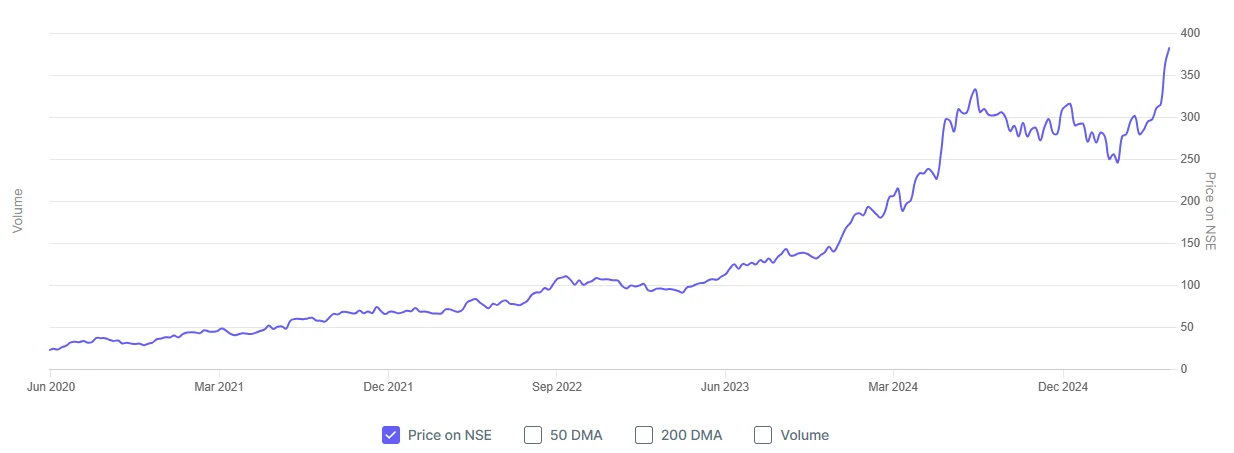
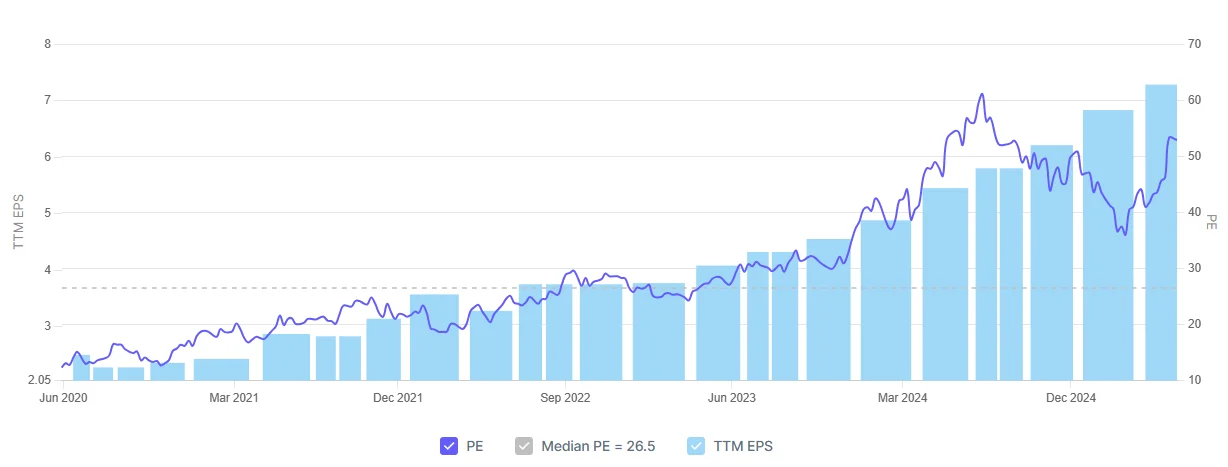
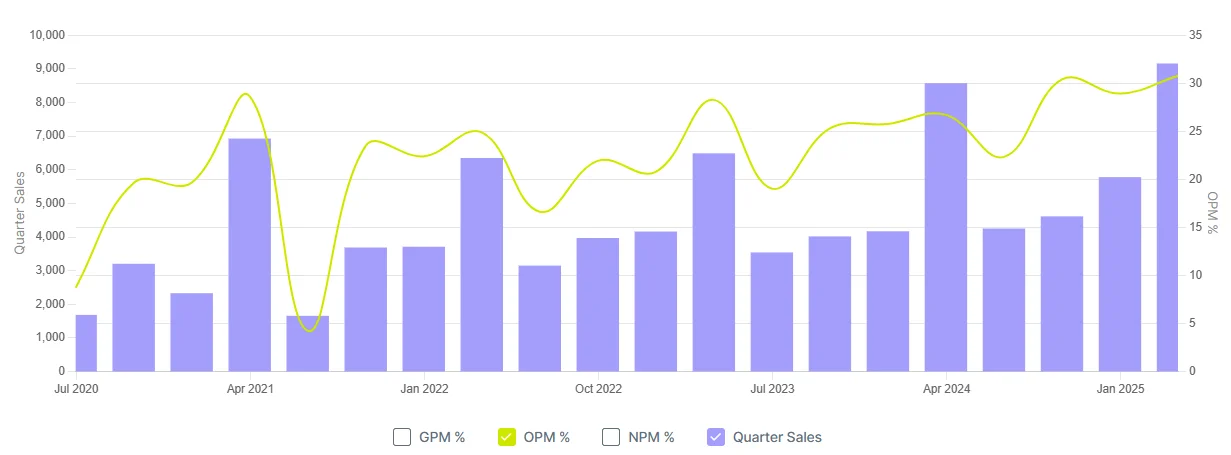
BEL is likely to secure significant contracts for low-level drone detection radars, air defence systems, and related electronics manufacturing, given its established position as a supplier to the armed forces.
Price chart (5 years)
PE ratio chart (5 years)
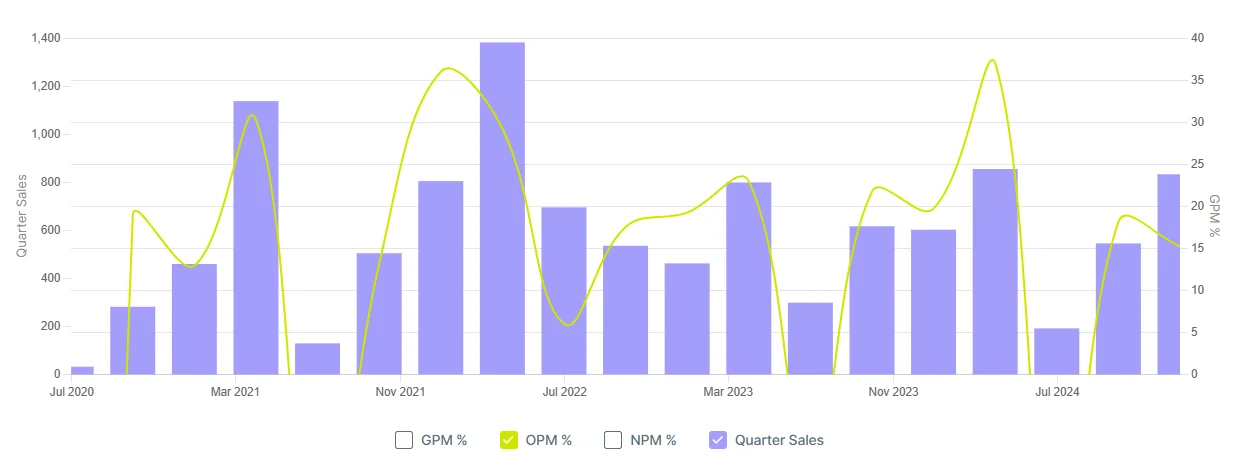
OPM% chart (5 years)
2. Bharat Dynamics Limited (BDL)
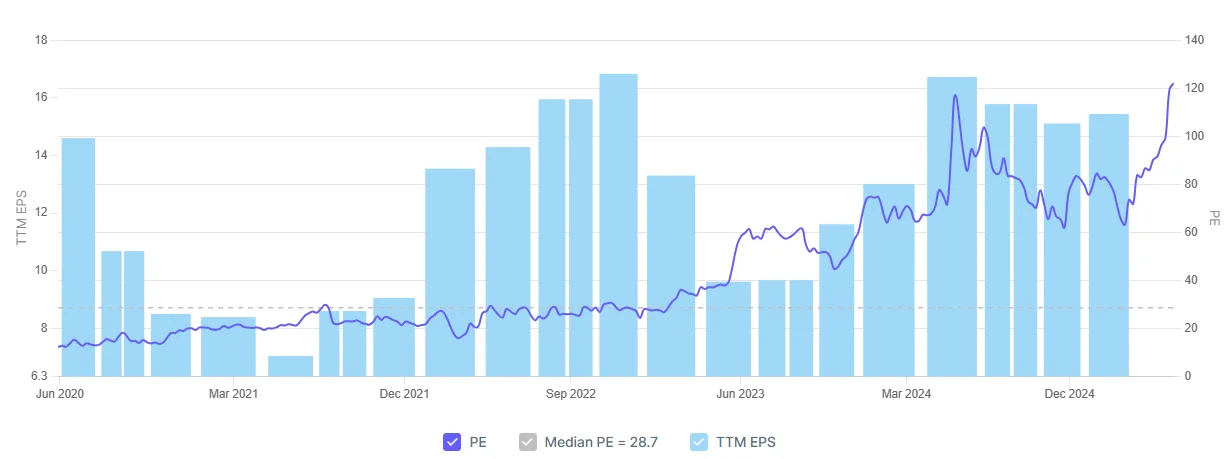
BDL, a key manufacturer of missile systems like BrahMos, could see potential growth opportunities with any increase in defence-related contracts.
Price chart (5 years)

PE ratio chart (5 years)
OPM% chart (5 years)
3. Private sector and emerging players:
Indigenous drone manufacturers such as Solar Defence and Aerospace, as well as companies specializing in defence electronics, subsystems, and components, are expected to receive new contracts or be involved as suppliers. The Ministry of Defence has already initiated consultations with these firms to ensure timely delivery and integration of new technologies.
The DAC’s approval of ₹40,000 crore in emergency procurement powers represents a significant step in strengthening India’s defence readiness and supporting the domestic defence industry. The move aims to ensure the armed forces can meet immediate operational needs while also providing opportunities for growth within the Indian defence manufacturing ecosystem. Companies such as BEL, BDL, and various private sector suppliers may see increased participation as part of this broader push toward self-reliance in defence.