

I still remember the day I signed my internship offer letter with Tradejini. I was just 20, excited and slightly nervous. This was my first real step into the working world. I had already heard about Tradejini, a Bengaluru-based brokerage known for making stock trading easy, digital, and affordable for Indian investors. With over 60,000 clients and a strong tech-driven platform, it felt like the perfect place for someone like me: curious, eager, and completely new to the world of finance.
As I began learning about the stock market through my internship, my curiosity to invest started growing. The financial world no longer felt complex, it felt like a space full of opportunity. I began learning about demat accounts, trading platforms, margin, options, charts, and so on. Slowly, the stock market started making sense. It didn’t feel like a scary, complicated place anymore.
However, when I shared my growing interest in investing with family, cousins, and even friends, they all echoed the same concerns:

So, I decided to dig deeper and bust a few of them myself. Here’s what I discovered:
Myth 1: ‘Investing in Stocks Is Just Like Gambling’
Reality: Stock market investing, even in Futures & Options, depends on strategy, research, and risk management.
Many people compare the stock market to gambling because of its fast pace and potential for quick gains or losses. But there’s a big difference: gamblers rely on luck. Investors rely on data, discipline, and a plan.
Here’s what I experienced:
One of my college friends, Ravi, got excited about the profits people claimed to make in options trading. Without understanding strike prices or expiry dates, he bought random call options based on Telegram tips. Within a few days, he lost most of his capital.
Meanwhile, another intern, Anjali, approached it differently. She spent time watching videos, learning about time decay, delta, and implied volatility. She traded slowly, used stop-losses, and treated options as a hedging tool, not a shortcut to wealth. Her trades weren’t always profitable, but she never blew up her capital.
That’s when I realized, gambling is blind. Investing is intentional.
Myth 2: ‘You Need a Lot of Money to Invest’
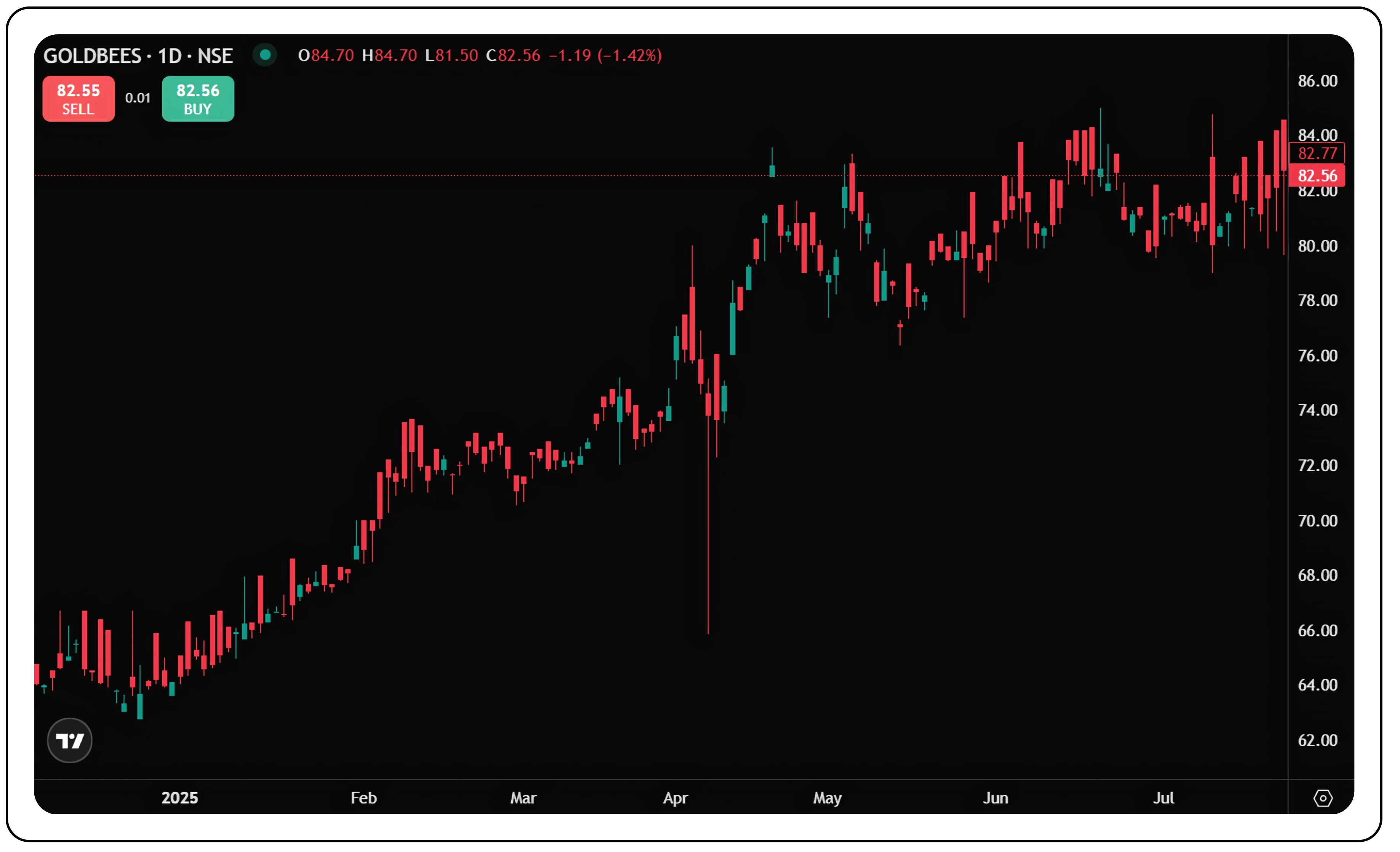
Reality: You can start investing in the stock market with as little as ₹100. The notion that investing is only for the wealthy is outdated. With digital platforms like CubePlus and low-cost options like Exchange Traded Funds (ETFs), even students can start investing small amounts consistently and build wealth over time.
My own experience?
I came across a Tradejini reel on Instagram that compared cigarette spending to ETF investing, showing how someone who smokes 10 cigarettes a day could invest that same money and grow it instead.
That night, I checked ETF charts, saw their long-term performance, and realized I didn’t need ₹10,000 or even ₹1,000 to start. So I skipped a few impulse purchases, signed up on CubePlus, and started a small SIP in a Gold ETF, just ₹100 to begin with.
You don’t need a lot of money to invest. You just need a reason to start.
Myth 3: ‘You Always Lose Money in the Stock Market’
Reality: Losses in options trading often come from emotional decisions or poor understanding.
But with discipline, proper risk management, and learning, it can be a strategic tool to manage risk and even enhance returns.
What I observed:
My batchmate Abhin started options trading after seeing Twitter posts about people making ‘quick money.’ He jumped in during a volatile week, bought calls without a stop-loss, and exited at a major loss within two days.
At the same time, Ritu ma’am, one of our mentors at Tradejini, showed me how she used protective puts to hedge her equity positions. She didn’t try to time the market. She focused on defining risk and sticking to her plan. Over time, her portfolio was up by 25%, and she never once panicked during the volatility.
People don’t lose money in the stock market. Poor planning does.
Read More: Mutual fund: Myths-Money and Making Smart Moves
Myth 4: ‘If the Stock Price is Low, It’s a Good Buy’
Reality: Low prices don’t always mean value. Without strong fundamentals, even a ₹5 stock can go to ₹0. Focus on quality, not price.
What I observed:
During my internship, I met Moksh, a confident investor who had already dabbled in stocks. On December 1st, 2022, he bought 100 shares of Tata Motors at ₹436 after researching the company’s performance. He held it until March 1st, 2024, and sold it at ₹1,015, earning a solid return.
Encouraged, he bought 300 shares of YesBank on February 1st, 2024, at ₹2,521 — but this time, without checking fundamentals. By March 5th, 2025, it was down to ₹2,116, and he exited at a heavy loss.
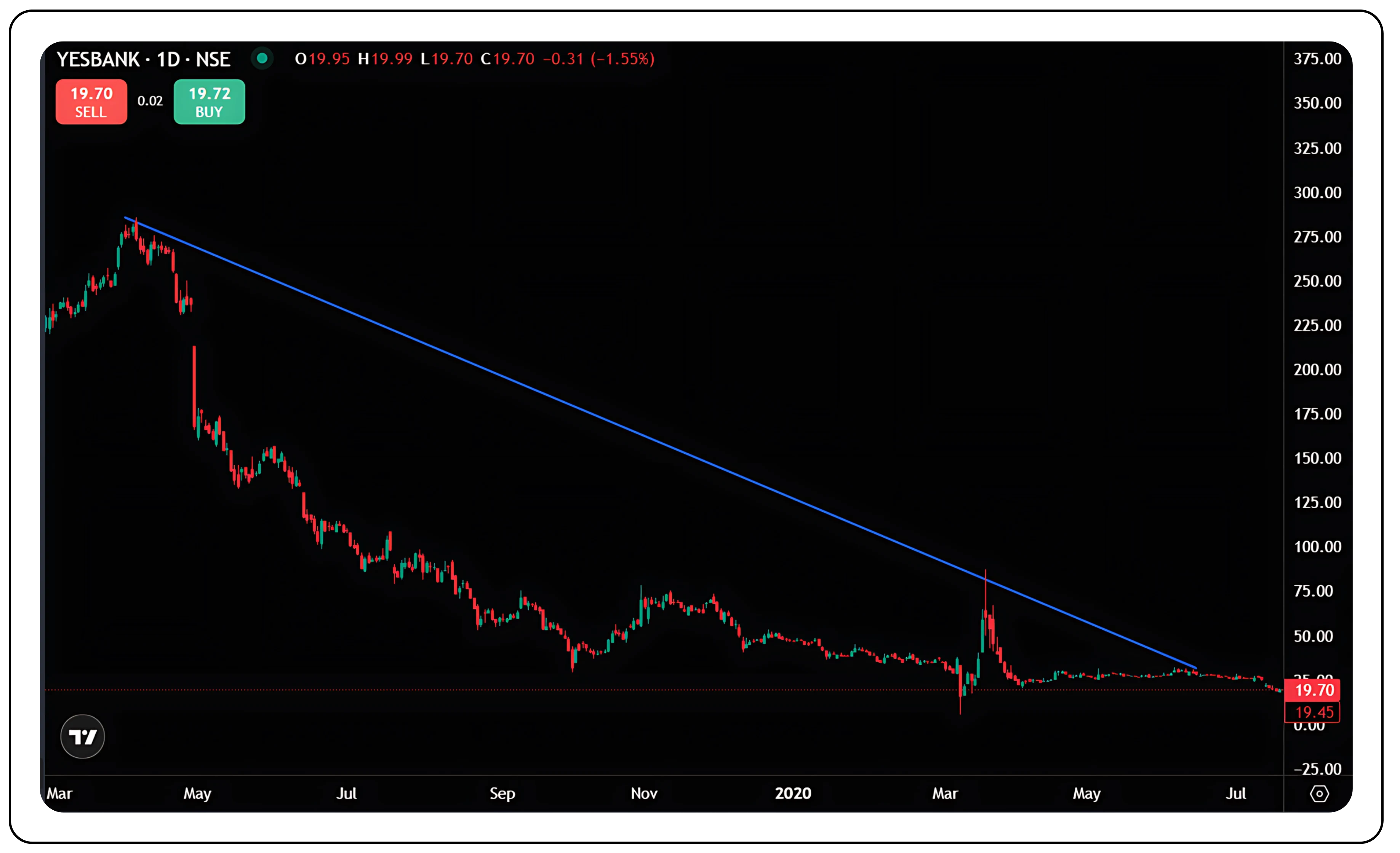
Lesson learned: Price is just a number, the company behind the stock is what truly matters.
Myth 5: ‘You Should Sell During a Market Crash’
Reality: Selling during panic often leads to real losses. Markets recover if you stay patient.
Investors often react emotionally to short-term price movements, which can lead to impulsive decisions like panic selling. At times, FOMO (fear of missing out) can also disrupt even the most disciplined investment plans.
A news story that stood out:
I remember reading about Adani Enterprises after the Hindenburg report came out on January 24, 2023. The stock crashed from ₹3,418 to ₹1,525 and hit a low around ₹1,070.
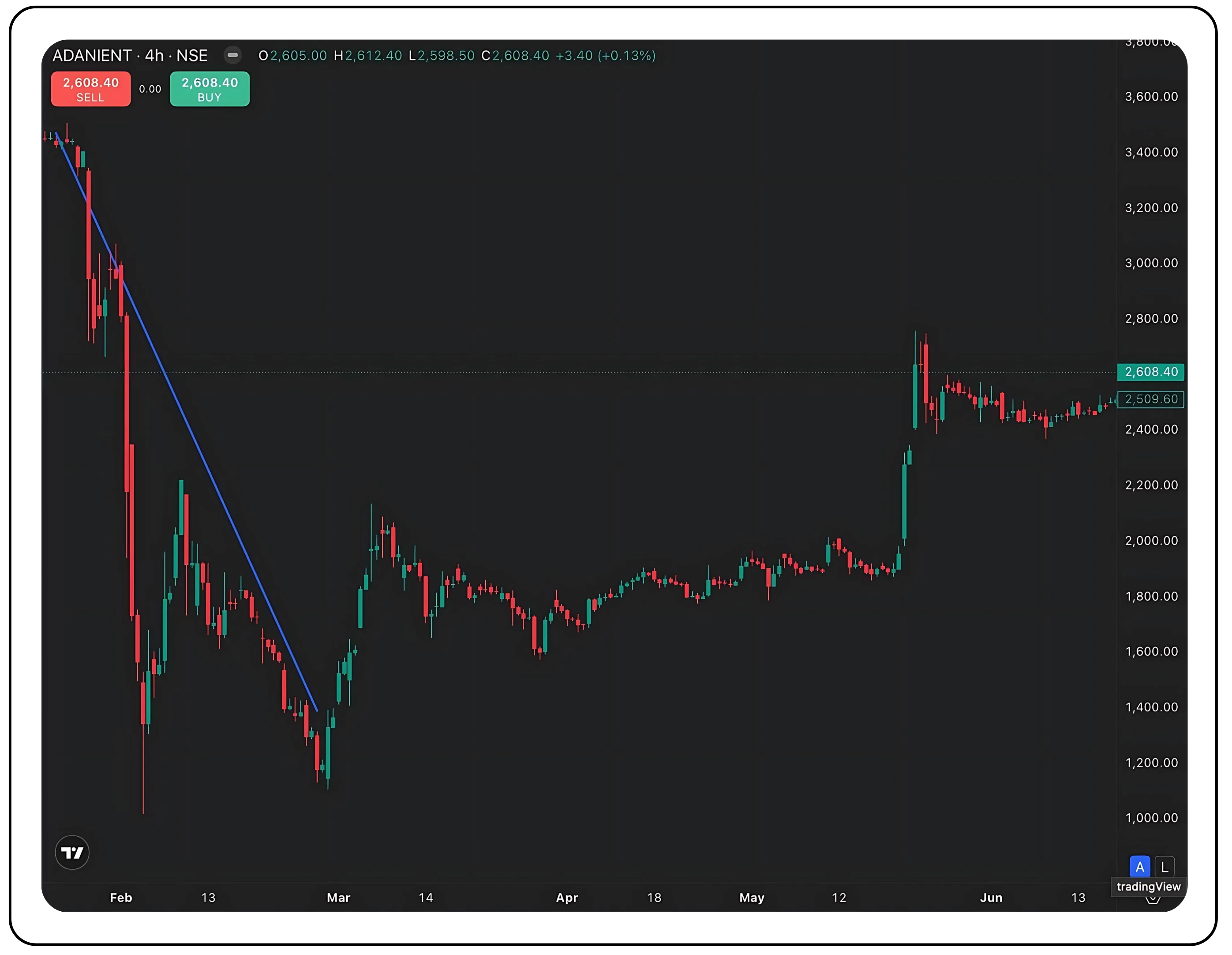
Many investors panicked and sold at steep losses. But those who stayed calm and held on saw a recovery by June 2024, the stock had climbed back up to ₹3,731, even higher than its pre-crash price.
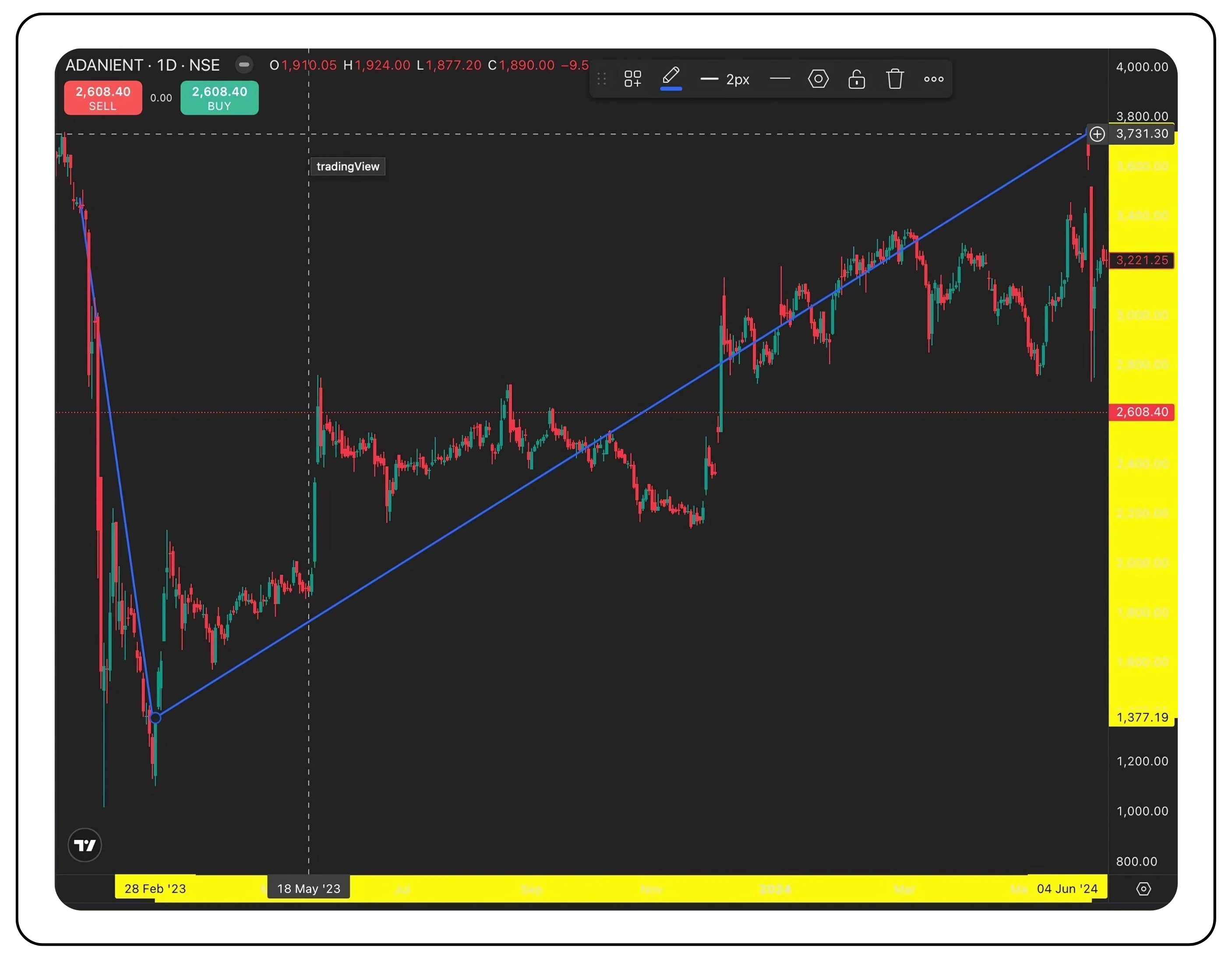
The lesson? Panic selling turns temporary dips into permanent losses.
Debunking the beliefs
Initially, I believed many of these myths too. But through my internship, observing real investors, and learning with facts and fundamentals, everything changed.
Even small, consistent steps backed by the right knowledge can lead to confident investing. The myths fade once you actually begin to understand how the market works.
Open your CubePlus account and take the first step toward smart, goal-based investing on your terms.
Disclaimer: The information provided in our blogs is for informational purposes only and should not be construed as financial, investment, or trading advice. Trading and investing in the securities market carries risk. Always conduct your own research and consult with a qualified financial advisor before making any investment decisions. Past performance is not indicative of future results. Copyrighted and original content for your trading and investing needs.
© 2025 — Tradejini. All Rights Reserved.


