Options trading, though seemingly complex, offers diverse strategic opportunities once fundamental concepts are understood. Vertical spreads, particularly credit and debit spreads, are highly effective tools.
At their core, both spread strategies involve buying and selling options contracts on the same underlying asset, with the same expiration date, but at different strike prices. This creates a defined risk position that gives you more control than simply buying a call or put.
But this is where the path diverges. The choice in the credit spread vs debit spread debate is a fundamental one, defining your entire approach to a trade. Are you looking to collect income by betting that a stock's price won't make a big move? Or are you paying for a ticket to ride a directional price movement you see coming?
This article will demystify these two powerful option spread strategies. We'll explore how they work, who they're for, and most importantly, how to decide which one is the right tool for your next trade.
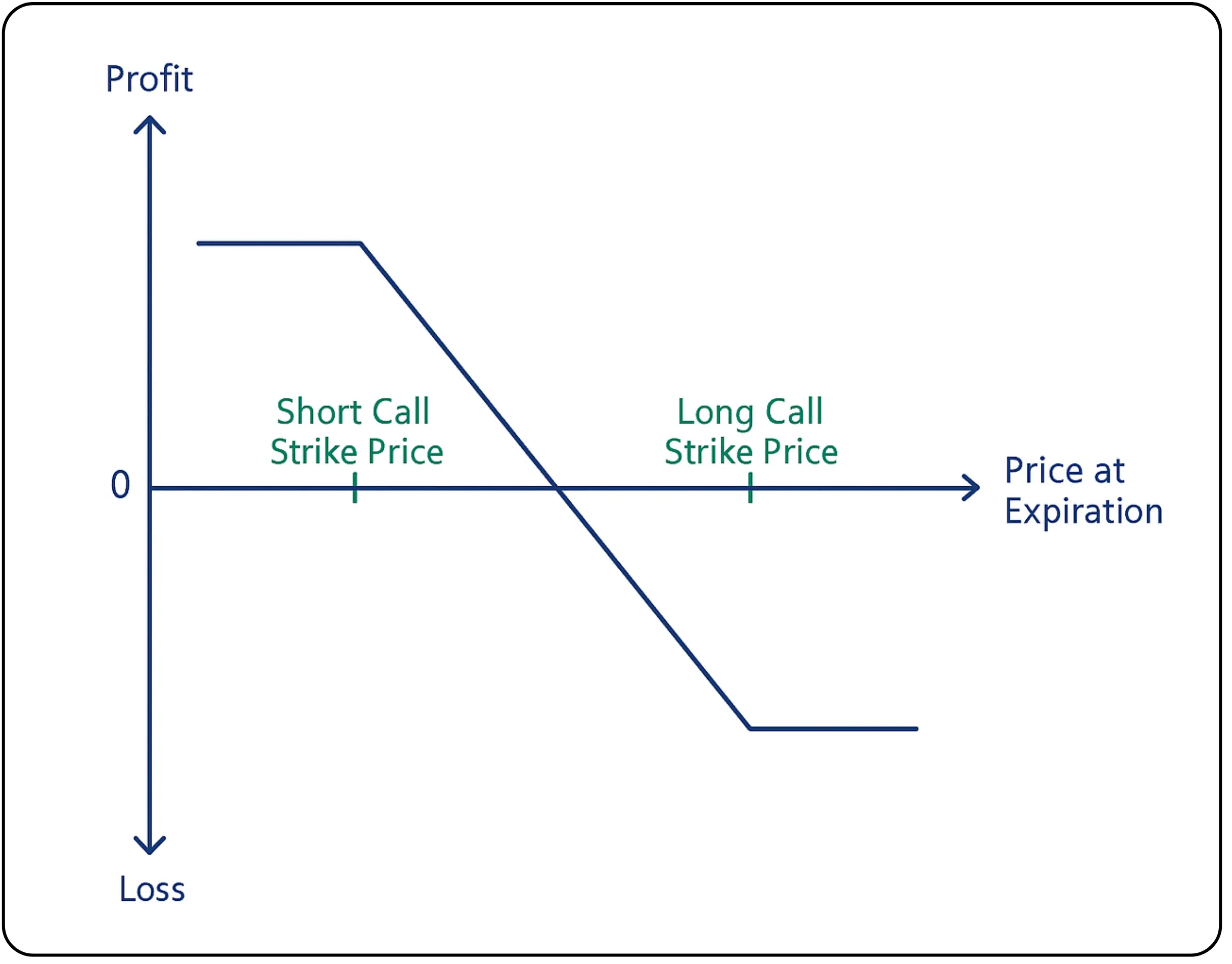
credit spread vs debit spread explained
A vertical spread is the foundation of both a credit spread and a debit spread. The strategy always involves two options of the same class (either both calls or both puts) on the same underlying security with the same expiration, but with differing strike prices. The key difference lies in the net cash flow when you open the position and your ultimate goal for the trade.
A credit spread strategy results in a net credit to your investor's account, while debit spread strategies result in a net debit. This initial transaction sets the stage for everything that follows, from your relationship with time decay to your ideal implied volatility environment.
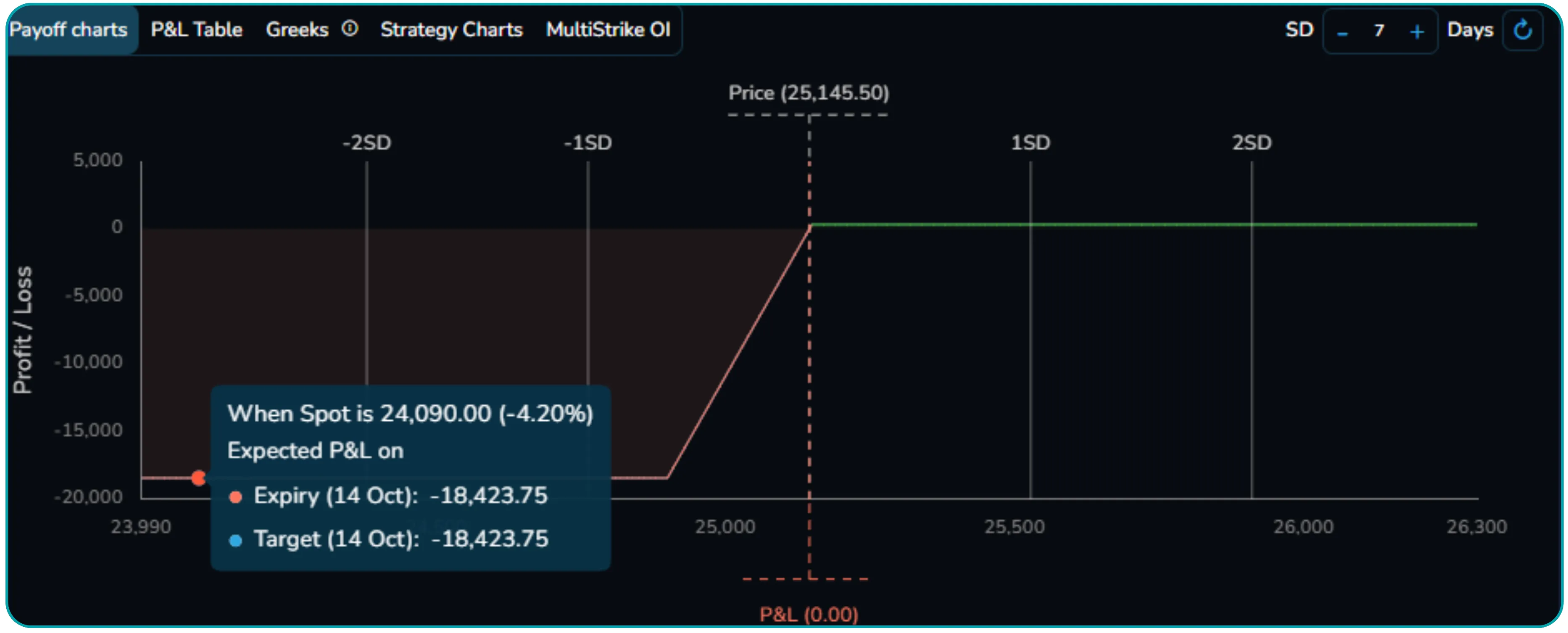
The Credit Spread
The core idea of a credit spread is simple: You receive a net premium (money in your account) when you open the trade. Your goal is for the options to expire worthless and out of the money, allowing you to keep the entire premium you collected.
Think of yourself as an insurance company. You sell a policy (an option) and collect a premium. You profit as long as the "disaster" (a large, adverse price move) doesn't happen before the policy expires.
This strategy involves selling a higher premium option while simultaneously buying a lower premium option to manage risk. Because the option you sell is more expensive than the one you buy, you pocket the difference as your initial credit.
Your Two Best Friends: Time Decay and High Volatility
For credit spread traders, the clock is always on your side. The value of options erodes as they get closer to their expiration date,a phenomenon known as time decay (Theta). Because you are a net seller of premium, credit spreads benefit from this decay. Every day that passes without a big move in the wrong direction, the value of your spread decreases, making it cheaper to buy back for a profit.
Credit spreads also shine in high implied volatility (IV) environments. When volatility is high, option premiums are inflated. This is the perfect time to sell options. You collect a larger premium received upfront, which gives you a wider margin for error and a higher potential profit.
The catch? Your maximum profit is capped at the net premium received. However, your maximum loss can be significantly larger,it's the difference between the strike prices minus the credit you collected. This is why credit spreads require a substantial margin account, as your broker needs to ensure you can cover the potential loss.
The Debit Spread
Now, let's look at the other side of the coin. A debit spread is for traders with a clear directional opinion. The core idea is that you pay a net debit (money out of your account) to open the trade. Your goal is for the underlying asset's price to move in your desired direction, making your debit spread position more valuable.
Instead of buying a single, expensive option, a debit spread involves buying one option and simultaneously selling another one to reduce your upfront cost and create a defined risk trade.
debit spread works
Here’s how a debit spread works: You buy a higher-premium option and sell a lower-premium one. Because the option you buy is more expensive, you pay a net debit to enter the trade. This initial debit paid is the absolute maximum risk you can take on the trade. This structure makes it one of the most popular trading options for those with a strong directional bias.
Your Biggest Foe: Time Decay
Unlike with a credit spread, time decay works against you. You are a net buyer of options premium. Every day that passes, your position loses a little bit of value due to Theta. This means you don't just need to be right about the direction; you need the move to happen before time runs out.
Debit spreads are most effective in low implied volatility (IV) environments. When volatility is low, option premiums are cheaper. This is the ideal time to be a buyer. You can purchase your spread for a lower net premium paid, positioning yourself to profit from both a price move and an expansion in volatility. The maximum potential profit is the difference between the two strike prices, less the debit paid.
Credit Spread vs Debit Spread: The Showdown
| Feature | Credit Spread (The Premium Seller) | Debit Spread (The Directional Buyer) |
|---|---|---|
| Cash Flow | Receive a net credit upfront. | Pay a net debit upfront. |
| Primary Goal | Options expire worthless (out of the money). | Options expire valuable (in the money). |
| Time Decay (Theta) | Your best friend. Profit accrues as time passes. | Your enemy. The position loses value over time. |
| Ideal Volatility | High Implied Volatility (IV). Sell expensive options. | Low Implied Volatility (IV). Buy cheap options. |
| Max Profit | Capped at the net premium received. | Capped at (Strike Width - Net Debit Paid). |
| Max Loss | Capped at (Strike Width - Net Credit Received). | Capped at the initial debit paid. |
| Margin Required? | Yes. To cover the potential obligation. | No. Your risk is paid upfront. |
| Psychology | Profitable if the underlying stock stays flat, moves in your favor, or even moves slightly against you. | You need a definitive price move in your favor to be profitable. |
The Million-Dollar Question: When Should You Use Each?
The choice in the credit spread vs debit spread matchup isn't about which strategy is "better",it's about which strategy is right for the current market conditions and your forecast.
A simple rule of thumb used by many advanced traders involves Implied Volatility Rank (IV Rank).
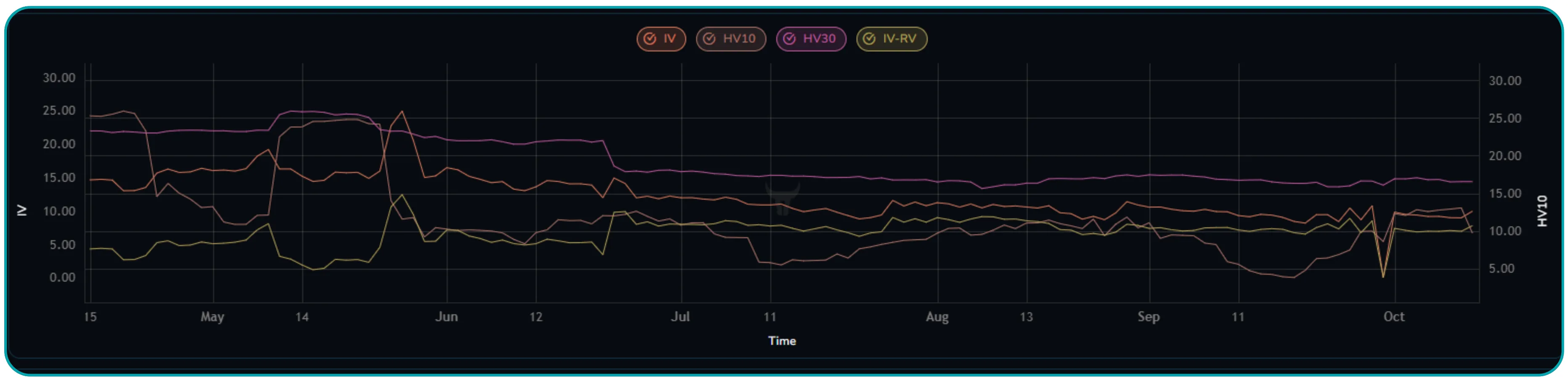
- When IV Rank is high (e.g., above 50%): A credit spread is generally the more advantageous strategy. You get paid a handsome premium to take a directional stance with a high probability of success.
- When IV Rank is low (e.g., below 50%): A debit spread allows you to make a defined-risk directional bet for a low cost, with the potential to profit from both a price move and an expansion in volatility. A bull call spread is a perfect example if you're bullish.
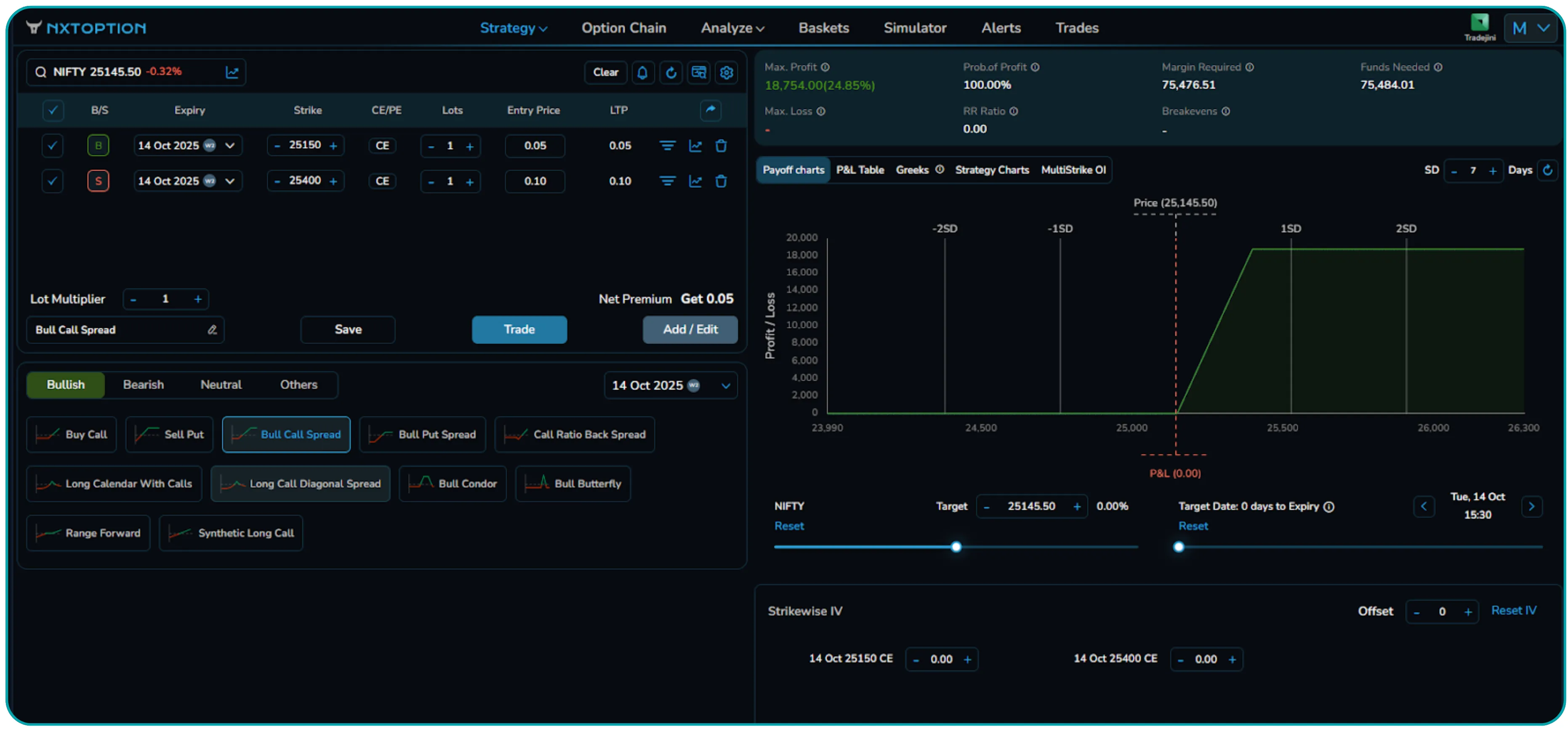
The Final Takeaway: Strategy Over Speculation
Both credit and debit spreads transform options trading from simple speculation into a nuanced, strategic endeavor. They allow you to define your risk, control your capital, and tailor your trade to a specific market outlook.
For the beginner, these spread strategies offer a fantastic way to trade with limited risk. Debit spread strategies, in particular, are a great starting point due to their straightforward risk profile and lack of a margin account requirement.
For the advanced trader, mastering the interplay between these two strategies is key. Knowing when to be a premium seller versus a directional buyer can dramatically enhance your portfolio's performance.
Ultimately, whether you choose to collect an initial credit or pay an initial debit, you are taking control. You are building a strategic position with a clear plan for maximum gain and a predefined limit on loss. And in the dynamic world of spread trading, that is the most valuable asset you can have.
Disclaimer: The information provided in our blogs is for informational purposes only and should not be construed as financial, investment, or trading advice. Trading and investing in the securities market carries risk. Always conduct your own research and consult with a qualified financial advisor before making any investment decisions. Past performance is not indicative of future results. Copyrighted and original content for your trading and investing needs.
© 2025 — Tradejini. All Rights Reserved.
.webp%3Falt%3Dmedia%26token%3D0ead9799-20bc-4d1e-ae8f-d75ab18921b5&w=3840&q=75)