

With more than 40 years of presence in the pharmaceutical industry, Dr. Reddy's Laboratories has grown into a global healthcare company with operations spanning multiple geographies and product categories. Let us understand how the company generates revenue, its key business segments, and the opportunities driving future growth. This breakdown of the Dr Reddy's Laboratories business model provides a closer look at the Dr Reddy's global pharma business and the factors that continue to shape its long-term growth.
What Dr. Reddy's Actually Does
Dr. Reddy's operates across multiple parts of the pharmaceutical value chain, which helps explain both its scale and resilience.
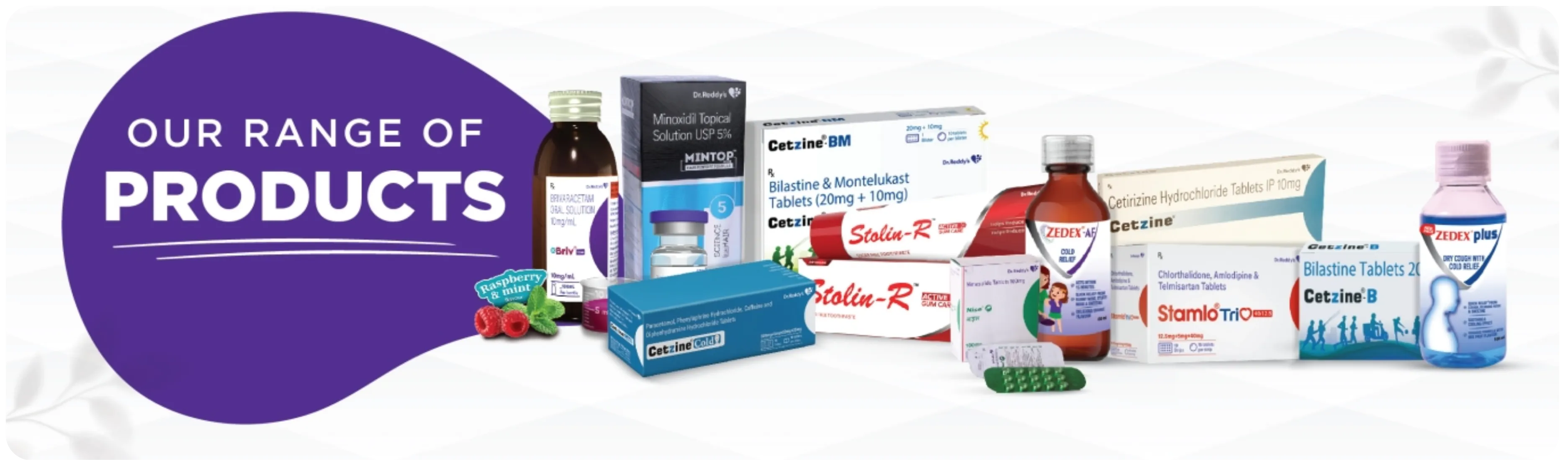
The largest part of the business comes from generic medicines. When a pharmaceutical company develops a new drug, it typically receives patent protection that allows it to sell that medicine exclusively for a period of time. Once the patent expires, other companies can manufacture equivalent versions of the same drug. These versions are known as generic medicines. They contain the same active ingredient and are designed to deliver the same therapeutic benefit, but are usually available at much lower prices. This is where Dr. Reddy's built much of its global presence. The company has spent decades developing, manufacturing, and launching generic medicines across major markets around the world. Today, Dr Reddy's generic medicines remain the foundation of the company's business and an important contributor to India’s generic medicine exports.
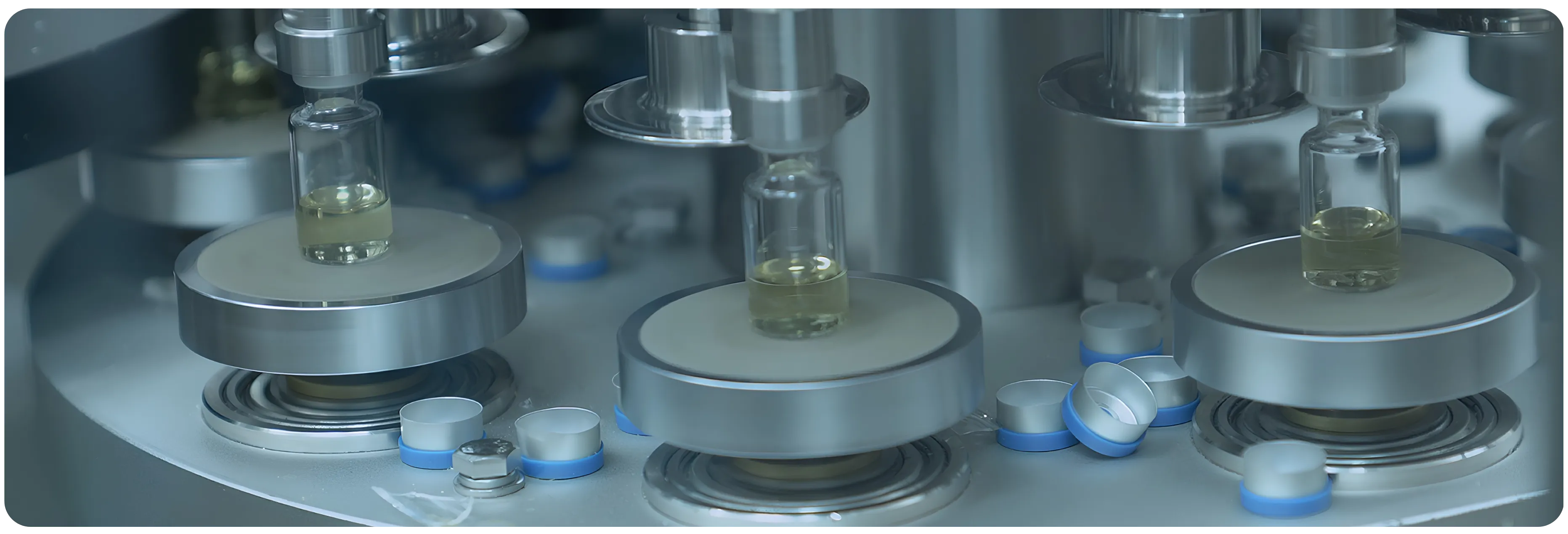
The second part of the business revolves around APIs. They are the essential ingredients inside pharmaceutical products. Dr. Reddy's not only manufactures APIs for its own medicines but also supplies them to other pharmaceutical companies. This makes the company an important player in the broader healthcare supply chain. Dr Reddy's API business also highlights the growing importance of India API manufacturing within the global pharmaceutical ecosystem.
The third part of the business focuses on areas such as biosimilars, specialty medicines, and consumer healthcare products. These segments are smaller than the traditional generics business today, but they represent where the company sees future opportunities. Dr Reddy's biosimilars and specialty medicine initiatives represent some of the company's most promising future growth areas. Dr. Reddy's also has a presence across multiple therapeutic areas including diabetes, heart disease, cancer treatment, digestive disorders, dermatology, and pain management, giving it exposure to several large and growing healthcare markets.
From where the money comes
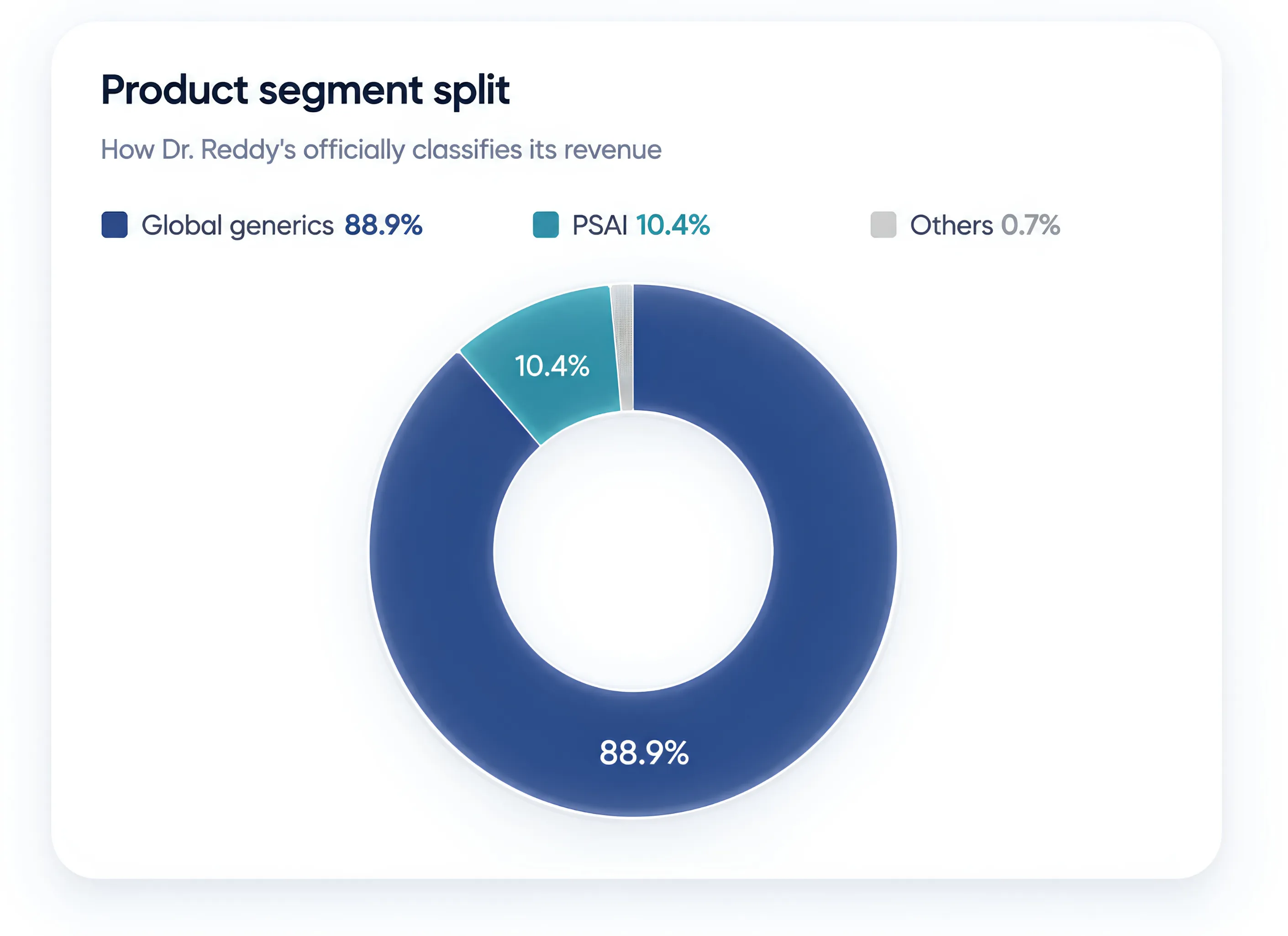
Like most large pharmaceutical companies, Dr. Reddy's earns revenue from multiple geographies and product categories. Its largest business segment is Global Generics, which includes the medicines it sells across different countries. While the products may be similar, each market operates differently and presents its own opportunities and challenges.
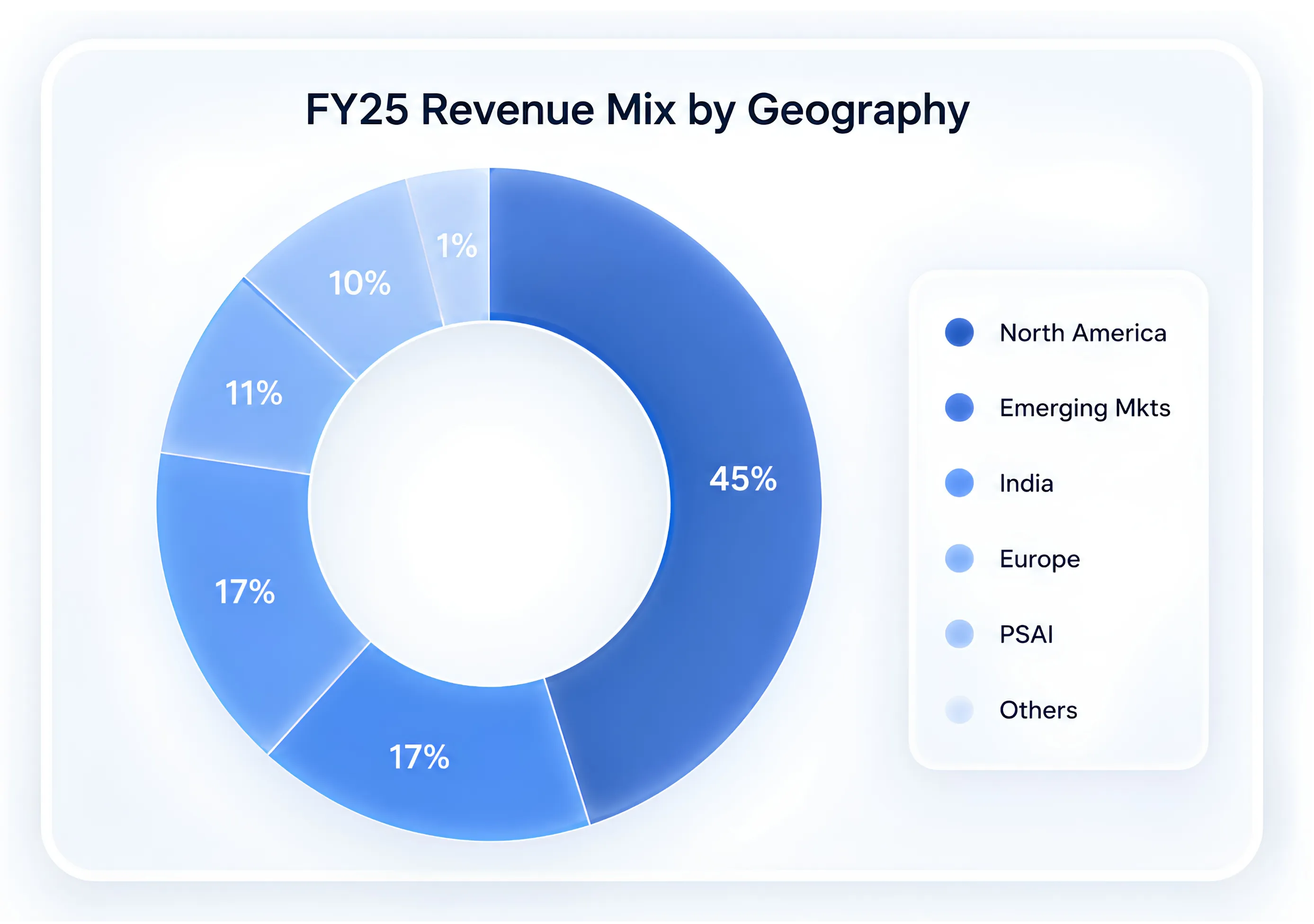
The United States is one of the most important markets for Dr. Reddy's. Generic medicines account for the majority of prescriptions filled in the country because they help reduce healthcare costs. For companies that can meet strict regulatory standards and successfully launch products, the US can be a highly attractive market. At the same time, it is also one of the most competitive. Once multiple manufacturers begin selling the same medicine, prices often decline, which means companies must continuously launch new products to maintain growth.
Europe has become another important growth market. In recent years, Dr. Reddy's expanded its presence through consumer healthcare products, particularly nicotine replacement therapies such as patches and gums used to help people quit smoking. This business differs from prescription medicines because consumers purchase the products directly, creating a different revenue stream and reducing dependence on doctors' prescriptions. Dr Reddy's Europe consumer healthcare business, including Dr Reddy's nicotine replacement therapy products, has helped diversify the company's revenue base.
India remains one of the company's strongest markets. Unlike the US, where generic medicines are often chosen by pharmacies and insurance providers, India's pharmaceutical market relies heavily on branded generics. Doctors frequently prescribe medicines under specific brand names, even when the underlying molecule is off-patent. This creates opportunities for companies that have built strong relationships with doctors and established trusted brands over time. Dr. Reddy's has spent decades doing exactly that.
The company also has a meaningful presence in Russia and several emerging markets, which helps diversify its revenue base. Alongside all of this sits the API business, which supplies both external customers and the company's own manufacturing operations. Together, these businesses create multiple sources of income and reduce reliance on any single market or product category.
Why Generic Medicines Are Harder to Make Than They Look
Before a generic medicine can be sold in regulated markets such as the United States or Europe, companies must prove that their version performs in the same way as the original product. Regulators need evidence that the medicine is safe, effective, and manufactured according to strict quality standards.
This process takes years of investment, testing, documentation, and regulatory approvals. Manufacturing facilities are regularly inspected, and companies must maintain high standards consistently. A pharmaceutical company cannot simply produce a tablet and start selling it globally. It must first earn the trust of regulators, doctors, and patients.
This is one of the reasons pharmaceutical companies are harder to build than they appear. The real advantage often lies not in the product itself, but in the ability to meet global quality standards year after year. Dr. Reddy's has spent decades building these capabilities and obtaining approvals for its facilities across major markets.
The challenge becomes even greater when companies move beyond simple tablets. Some medicines come in the form of injections, inhalers, skin patches, topical creams, and other complex formats. These products are more difficult to develop and manufacture, which means fewer competitors can enter the market. Dr. Reddy's has increasingly focused on these complex products because they offer better growth opportunities and are generally less crowded than traditional generic medicines. This growing focus on Dr Reddy's complex generics reflects the company's strategy of moving into higher-value product categories.
The Next Chapter Could Be Bigger Than Generics
For most of its history, generic medicines have been the foundation of Dr. Reddy's business. They continue to play a critical role today. But the company is also preparing for what could be the next phase of growth.
One of the biggest opportunities lies in biosimilars. To understand biosimilars, it helps to first understand biologics. Traditional medicines are created using chemical processes, while biologics are made using living cells and are often used to treat serious illnesses such as cancer and autoimmune diseases. These treatments can be extremely expensive because they are difficult to develop and manufacture.
When patents on biologic medicines expire, other companies can develop similar versions known as biosimilars. In simple terms, biosimilars are often described as the next generation of generic medicines. They are more complex to produce, require greater scientific expertise, and face higher regulatory requirements. But they also offer larger opportunities because there are fewer companies capable of developing them successfully.
Dr. Reddy's has spent years investing in this area and has already launched several biosimilar products across India and international markets. Recent collaborations and regulatory approvals suggest that management sees biosimilars as a major long-term growth driver. While generics remain the core of the business today, biosimilars could become a much larger contributor over the next decade.
The Growth Drivers Worth Watching
Several long-term trends are working in favour of companies like Dr. Reddy's. The first is rising healthcare demand. As incomes increase and healthcare access improves, more people are seeking treatment for chronic conditions such as diabetes, heart disease, and hypertension. These conditions often require long-term medication, creating sustained demand for pharmaceutical products.
Another important trend is ageing populations. People around the world are living longer than ever before, which naturally increases the need for medicines and healthcare services. This creates a long runway of demand for pharmaceutical companies that can provide reliable and affordable treatments.
Patent expiries are another major opportunity. Many high-value medicines are expected to lose patent protection over the coming years. Each expiry creates an opportunity for generic and biosimilar manufacturers to enter the market with lower-cost alternatives. Companies with strong research, manufacturing, and regulatory capabilities are often best positioned to benefit from these opportunities.
There is also a broader shift taking place in global pharmaceutical supply chains. Governments and companies are increasingly looking to diversify sourcing and reduce dependence on any single country. India has emerged as a major beneficiary of this trend because of its manufacturing expertise and strong pharmaceutical ecosystem. Dr. Reddy's, with its established facilities and global regulatory approvals, is well positioned to participate in this shift.
Consumer healthcare is another area worth watching. Products sold directly to consumers often provide more stable demand and can complement the company's prescription medicine business. As this segment grows, it could become an increasingly important part of Dr. Reddy's overall strategy.
India's healthcare market is expected to continue expanding as awareness, insurance coverage, and healthcare spending increase. This should support long-term demand for medicines across multiple therapeutic categories.
Globally, the biosimilars market is still in its early stages. As more biologic medicines lose patent protection and healthcare systems look for affordable alternatives, demand for biosimilars is likely to increase. Companies that have invested early in developing the necessary capabilities may have an advantage.
The consumer healthcare business could also open new avenues for growth, especially as Dr. Reddy's expands its portfolio and international presence. Meanwhile, the API business remains strategically important in a world where supply chain diversification has become a major priority.
The Risks Are Real
Despite its strengths, Dr. Reddy's operates in an industry that comes with its share of challenges. One of the biggest is pricing pressure. As more companies enter the generic medicines market, competition increases and prices tend to fall. While this benefits patients, it can reduce profitability for manufacturers.
Regulation is another constant factor. Pharmaceutical companies must comply with strict standards across multiple countries. Any manufacturing issue, compliance concern, or regulatory observation can affect product launches and business performance. Maintaining quality across multiple facilities and markets requires continuous effort and investment.
Currency fluctuations can also impact results. Since Dr. Reddy's earns a significant portion of its revenue from overseas markets, changes in exchange rates can influence reported earnings. In addition, the company must continue investing in research and product development to ensure a steady pipeline of future opportunities. Without new launches and innovation, long-term growth becomes more difficult.
These challenges are not unique to Dr. Reddy's, but they are important realities of operating a global pharmaceutical business.
Final Take
Dr. Reddy’s has built a diversified global pharmaceutical business by combining generics, APIs, biosimilars, and consumer healthcare across multiple markets. While pricing pressure and regulatory challenges remain key risks, its strong manufacturing capabilities, global presence, and growing focus on biosimilars position the company well to benefit from rising healthcare demand and future patent-expiry opportunities.
Disclaimer: The information provided in our blogs is for informational purposes only and should not be construed as financial, investment, or trading advice. Trading and investing in the securities market carries risk. Always conduct your own research and consult with a qualified financial advisor before making any investment decisions. Past performance is not indicative of future results. Copyrighted and original content for your trading and investing needs.
© 2026 — Tradejini. All Rights Reserved.


