

In 2024, the technology sector's demand for gold rose sharply, reaching around 326 tonnes—a 7% increase compared to 2023. This rise clearly shows how fast-growing tech trends like artificial intelligence (AI), 5G networks, and high-end electronics are changing the way gold is used around the world. What was once seen mainly as a store of value or jewellery material is now becoming a critical component in the devices and infrastructure that power our digital lives.
1. The AI revolution: Gold's silent role
The explosive growth of artificial intelligence (AI) significantly boosted gold demand. High-performance computing (HPC), semiconductors, and AI processors depend heavily on gold for superior reliability and corrosion-resistant connections. Companies like SK Hynix and Samsung found themselves sold out of high-end memory chips in 2024, largely because of the booming AI industry. As industries embrace AI-driven tech, gold becomes even more essential. This surge highlights how innovation in AI and hardware design is directly influencing material demand.
2. Rebounding consumer electronics
After a sluggish 2023, the electronics sector rebounded robustly in 2024, with smartphone shipments increasing by 6%. Brands like Huawei saw strong demand for affordable models, causing gold use in electronics due to its conductivity properties. Wireless technologies and the rollout of WiFi 7 further increased demand as these systems require gold-intensive components.
3. Satellites and smart cars boost gold usage
Newer technology segments like aerospace and automotive sectors also pushed gold demand upward:
Low Earth Orbit (LEO) Satellites: Rapid growth in satellite deployment, such as Starlink’s expansion, boosted gold usage for reliable communication in harsh space environments.
Advanced Driver Assistance Systems (ADAS): The automotive industry's adoption of sophisticated sensors, mandated in regions like the EU, further increased gold consumption.
| Application | Gold Usage (approximate) |
|---|---|
| Smartphone | 34 milligrams per device |
| Electric Vehicles (EVs) | 3-5 grams per vehicle |
| Satellites | 20-40 grams per satellite |
| HPC | Varies; extensive in chips & connectors |
4. Balancing Trends: Reductions vs. Increases
Despite overall growth, some sectors tried reducing gold use:
Micro-LEDs and Mini-LEDs: New technologies use less gold.
Cost-saving in PCBs: Manufacturers reduced gold plating thickness.
Efficient NAND Chips: New designs use less gold bonding wire.
Sustainability concerns:
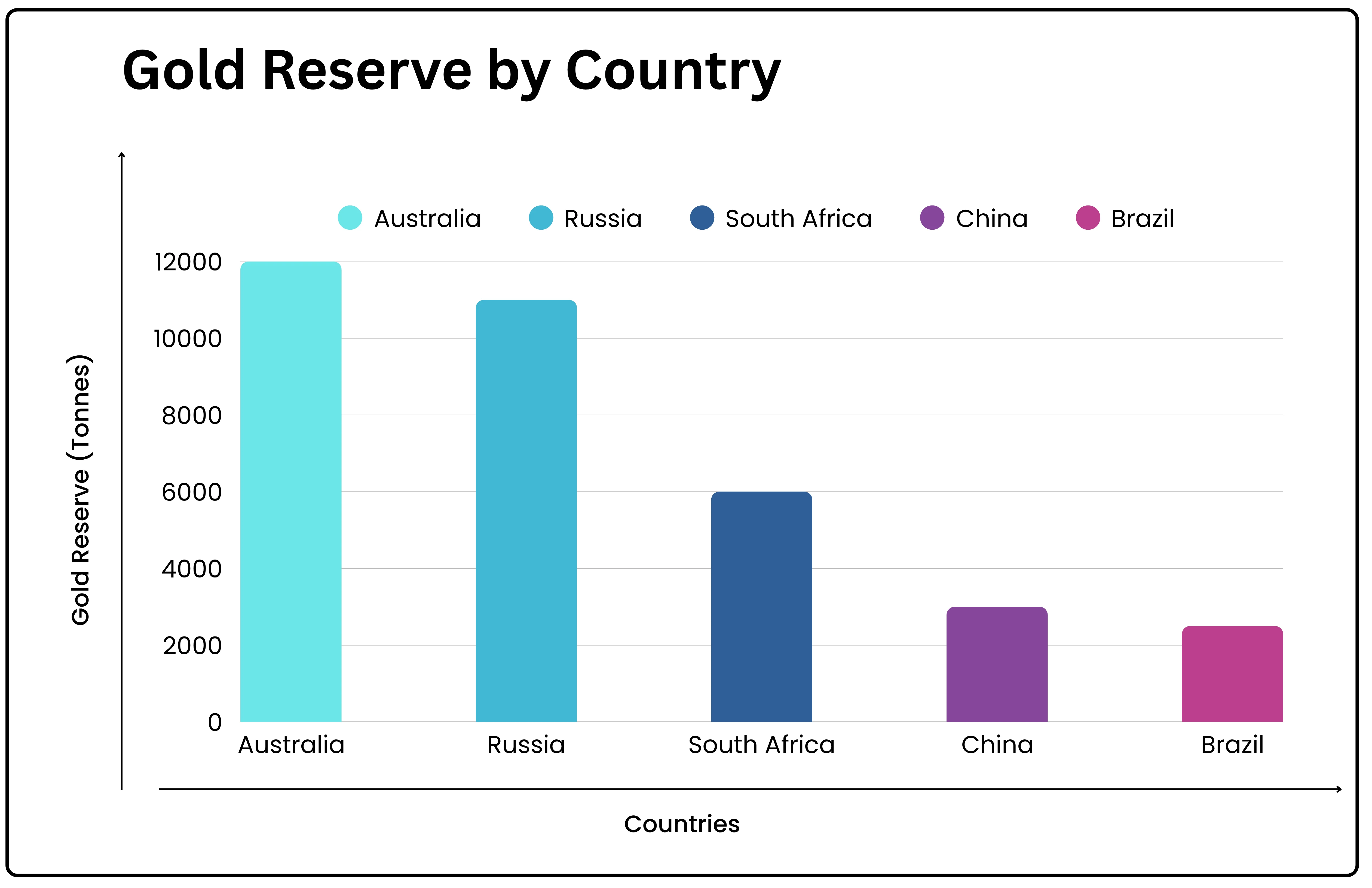
According to the U.S. Geological Survey (USGS), the estimated extractable gold using current technology, stood at 59,000 metric tons in 2023. The annual global gold production is approximately 3,600 metric tons. At the current rate of extraction, and with limited recycling and no major new gold discoveries, global gold reserves may be depleted in as little as 16 years.
Still a shining metal
Gold’s pivotal role in the 2024 technology surge stems from its unique properties—conductivity, durability, and corrosion resistance. As the tech sector continues evolving, particularly in AI and advanced electronics, gold's role remains crucial, making it both an exciting investment and an environmental challenge worth monitoring closely.
Disclaimer: The information provided in our blogs is for informational purposes only and should not be construed as financial, investment, or trading advice. Trading and investing in the securities market carries risk. Always conduct your own research and consult with a qualified financial advisor before making any investment decisions. Past performance is not indicative of future results. Copyrighted and original content for your trading and investing needs.
©️ 2025 — Tradejini. All Rights Reserved.


