

Thinking about investing in mutual funds but not sure where to begin? You are not alone. With hundreds of funds, categories, and platforms to choose from, starting your mutual fund journey can feel overwhelming. But the truth is, getting started is easier than you think. All it takes is a clear goal and a few smart choices.
Mutual funds offer a simple yet smart way to invest in shares indirectly. This nine-step guide will help you get started with mutual funds in the right manner.
Step 1 – Define your investment purpose
The first step is to understand why you are investing. Your purpose could range from building long-term wealth to achieving specific financial goals like buying a house, funding your child’s education, planning for retirement, or even saving on taxes. Having a clear reason helps guide every decision you make later, right from choosing the right category of funds to staying committed for the long run.
Step 2 – Set a time horizon
How long can you stay invested? Your investment horizon plays a key role in deciding the type of mutual fund that’s right for you. For goals under 3 years, consider safer options like liquid or short-duration debt funds. For goals beyond 5 years, equity mutual funds can offer better returns, though they may come with short-term volatility. The longer your horizon, the more flexibility you have to ride out market ups and downs.
Step 3 – Assess your risk appetite
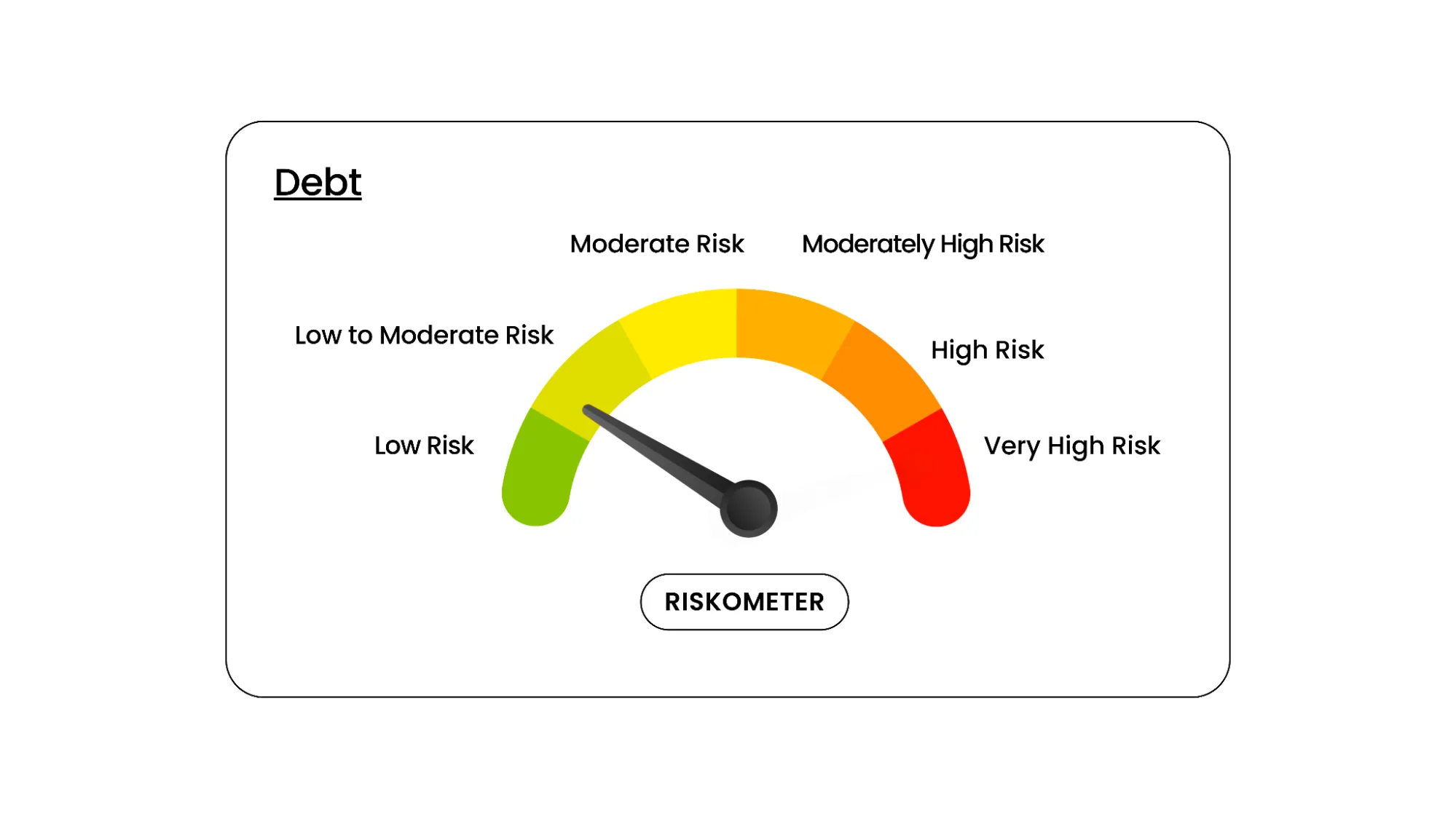
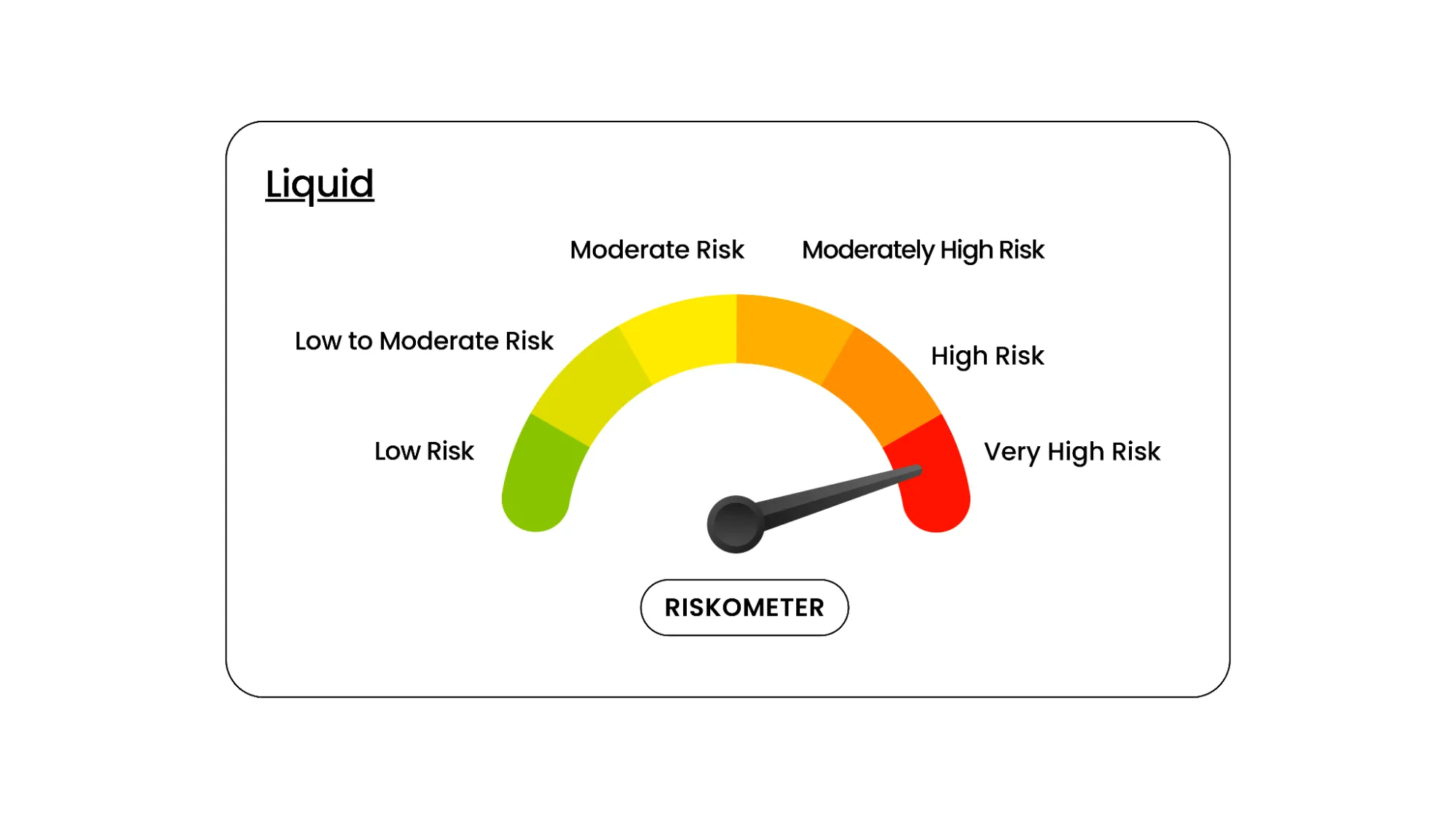
Every investor has a different comfort level when it comes to risk. Before choosing a fund, evaluate how much risk you are willing and able to take. To help investors make informed decisions, SEBI introduced the Risk-o-Meter, a visual tool that shows the level of risk associated with each mutual fund scheme. For example, in the image below, debt funds are shown in the low to moderate risk zone, while liquid funds fall under the low risk category. This classification helps you match your risk appetite with the type of fund.
Step 4 – Consider liquidity needs
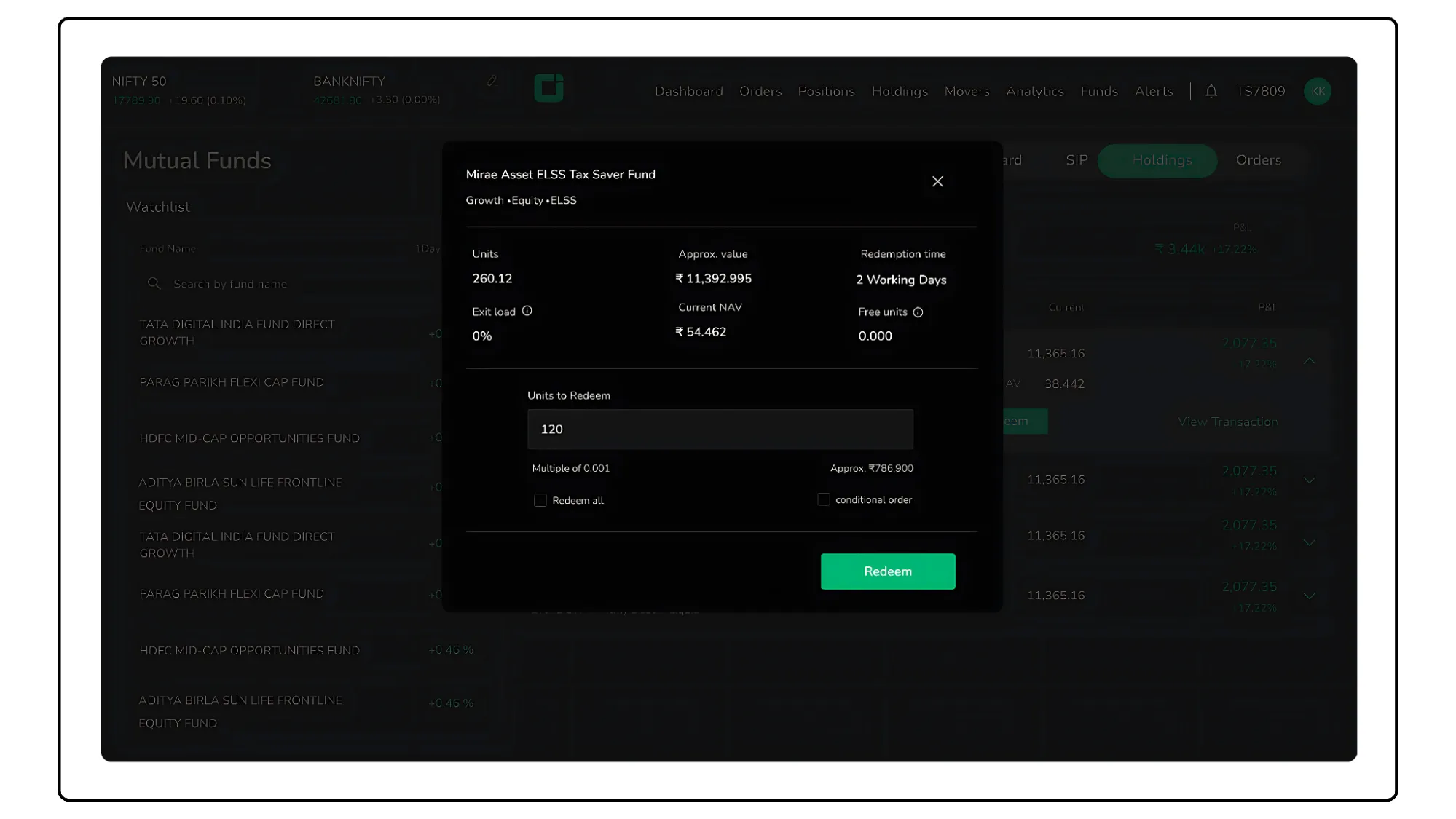
Mutual fund investments are not as liquid as money in your savings account. Think about how easily you might need to access your money. Open-ended mutual funds let you enter and exit freely, offering higher liquidity. Close-ended funds come with a lock-in period and trade on exchanges, which may not always offer sufficient liquidity. Your choice should match your cash flow needs and financial flexibility.
Step 5 – Understand the fund’s portfolio
Before investing, take time to understand where the fund is investing your money. Mutual funds vary widely in terms of asset allocation:
Equity funds invest in company stocks and are ideal for long-term wealth creation.
Debt funds focus on fixed-income securities like bonds and are suited for stability and steady returns.
Hybrid funds invest in both equity and debt to balance growth and stability.
Money market funds invest in short-term instruments like treasury bills, offering high liquidity with lower returns.
Knowing the portfolio composition helps you match the fund’s strategy with your personal investment goals.
Step 6 – Review historical performance.
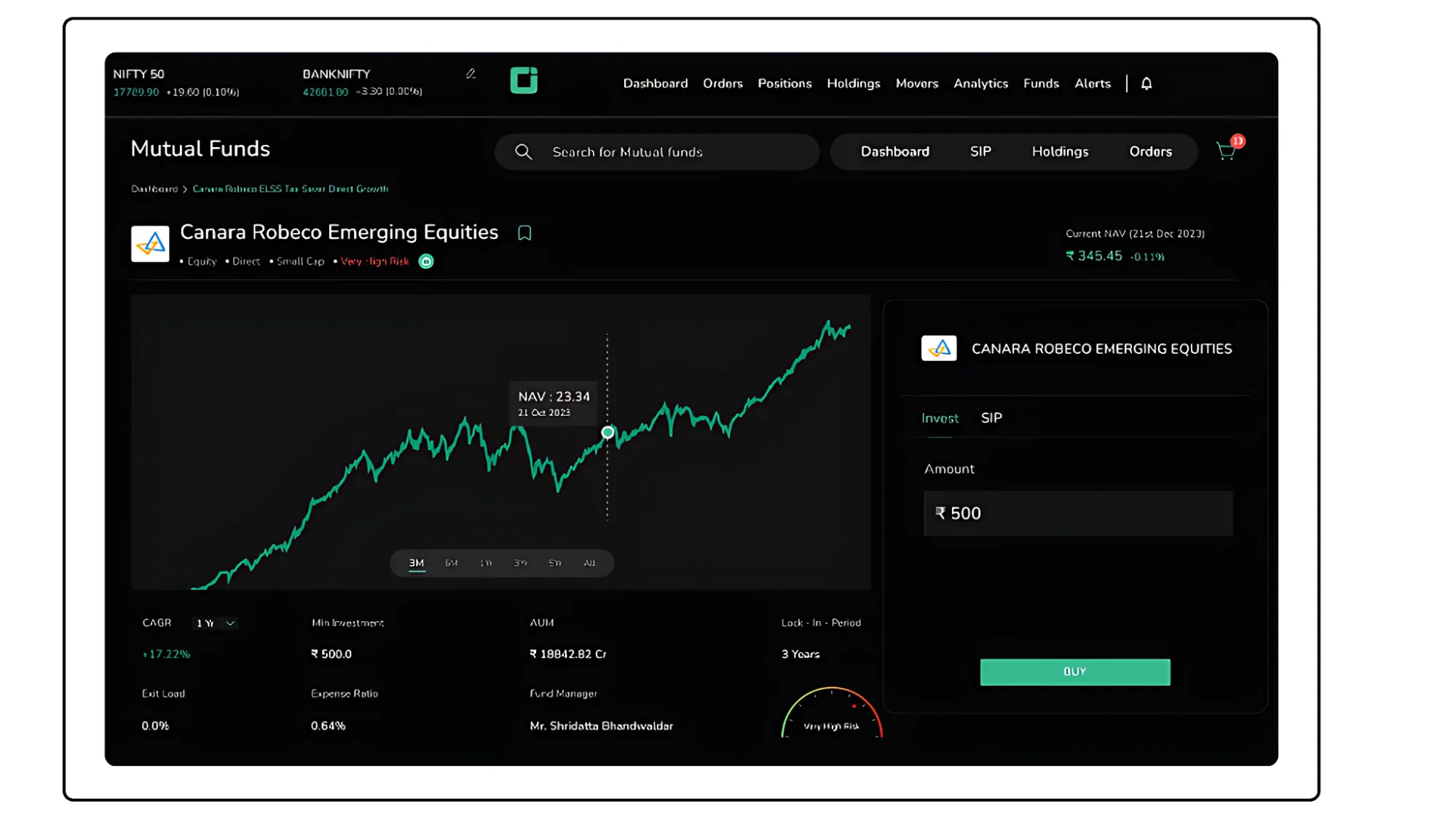
Once you have shortlisted potential funds, it’s time to check their past performance. This doesn’t mean chasing the highest returns; it’s about consistency and how the fund performed across different market phases. Compare the fund’s returns with its benchmark index and peer funds over 3, 5, or even 10 years. Past performance isn't a guarantee of future results, but it does offer useful insights.
Historical return of Canara Robeco mutual funds
Step 7 – Evaluate costs
Mutual funds charge fees, and these can impact your returns over time. The expense ratio is the annual fee charged by the fund house to manage your money, expressed as a percentage of your investment. Lower expense ratios are generally better, especially in passive funds like index funds. Also, watch out for exit loads, which are fees charged if you redeem your investment within a certain period. Understanding these charges helps you make better, cost-effective choices.
The expense ratio

Step 8 – Choose Between SIP or Lump Sum
Now that you have selected a fund, decide how you want to invest. If you have a lump sum ready and the market outlook is favourable, a one-time investment may work. However, if you’re salaried or prefer consistency, a SIP (Systematic Investment Plan) might be a better choice. SIPs bring financial discipline, reduce the impact of market volatility, and make investing more manageable over time.
Step 9 – Start investing
Once all steps are complete, from setting your goal to selecting the fund and investment mode, you are ready to invest. Complete your KYC, if you haven’t already, and start your investment through a trusted platform. After investing, track your progress periodically and make adjustments based on changes in your life goals or market conditions.
How to Invest in Mutual Funds: All Set to Invest!
Starting your mutual fund investment journey doesn’t have to be overwhelming. With a clear purpose, a defined plan, and a little research, you can start investing with confidence. It’s important to understand your investment goals and risk tolerance before you start investing so you can make choices that align with your financial objectives. The key is to stay consistent and patient.
Open your CubePlus account today and take control of your mutual fund investments smartly, efficiently, and on your terms. You can invest in mutual funds managed by a mutual fund company directly through CubePlus.
Disclaimer: The information provided in our blogs is for informational purposes only and should not be construed as financial, investment, or trading advice. Trading and investing in the securities market carries risk. Always conduct your own research and consult with a qualified financial advisor before making any investment decisions. Past performance is not indicative of future results. Copyrighted and original content for your trading and investing needs.
©️ 2025 — Tradejini. All Rights Reserved.