Saving a part of your paycheck is the first step toward building financial security. But how much should you really save? And how do you start when your expenses already feel high? This guide breaks everything down in the simplest way possible so anyone whether a student, employee, or beginner can understand and start saving confidently.
Why Saving a Part of Your Paycheck Matters
Most people pay attention only to what they earn and spend, but it’s the money they save that truly transforms their life. Savings provide control, peace of mind, and a strong sense of security. Life can change suddenly medical bills, job loss, repairs, or emergencies can disrupt your financial stability. With savings, you can face these moments without relying on loans, credit cards, or high interest debt. Beyond emergencies, saving helps you achieve long-term goals like buying a home, starting a business, educating your children, travelling, or retiring comfortably. Saving isn’t about sacrificing enjoyment today; it’s about creating a stable and better future.
How Much Should You Actually Save Every Month?
While everyone’s situation is different, a commonly suggested amount is 15%–20% of your monthly income. This is a healthy percentage that supports your long-term goals without putting too much pressure on your day-to-day spending. However, if you are someone who earns less or has many responsibilities, saving 20% may feel impossible. That’s okay. What matters most is starting even if it is with 5% or 10%. Over time, as your salary increases or expenses decrease, you can slowly increase your savings percentage. Think of saving as exercising even a small start makes a big difference if you're consistent. What matters is the habit, not the initial amount.
Also Read: Top 5 Investing Mistakes and How to Fix Them
The 50/30/20 Rule: A Simple Formula for Stress-Free Budgeting
To make money management easier, there is a very popular budgeting method called the 50/30/20 rule. This is a simple way to divide your salary into three parts so you can balance your needs, wants, and savings.
50% Essential Expenses (Needs)
This half of your income should go toward the things you cannot avoid.
These include:
House rent or loan EMI
Food and groceries
Electricity, water, mobile bill, internet
Transportation or fuel
Essential medicines
School or tuition fees
Minimum loan payments
If these expenses alone cross 50%, don’t worry many people face this, especially in big cities. You can adjust your savings percentage accordingly.
30% Lifestyle Spending (Wants)
These expenses are not necessary for survival, but they make your life enjoyable.
Examples include:
Eating out or ordering food
Movies, shopping, entertainment
Travel or short trips
Subscriptions like Netflix or Spotify
Hobbies and personal treats
This category helps you enjoy your money today while staying responsible.
20% Savings & Financial Growth
This part goes toward creating a strong future for yourself.
It includes:
Emergency fund
Savings accounts
FD, RD
SIPs and investments
Retirement funds
Extra payments toward loans to finish them faster
This 20% makes sure your future is as secure as your present.
How to Decide a Savings Amount That Suits Your Life
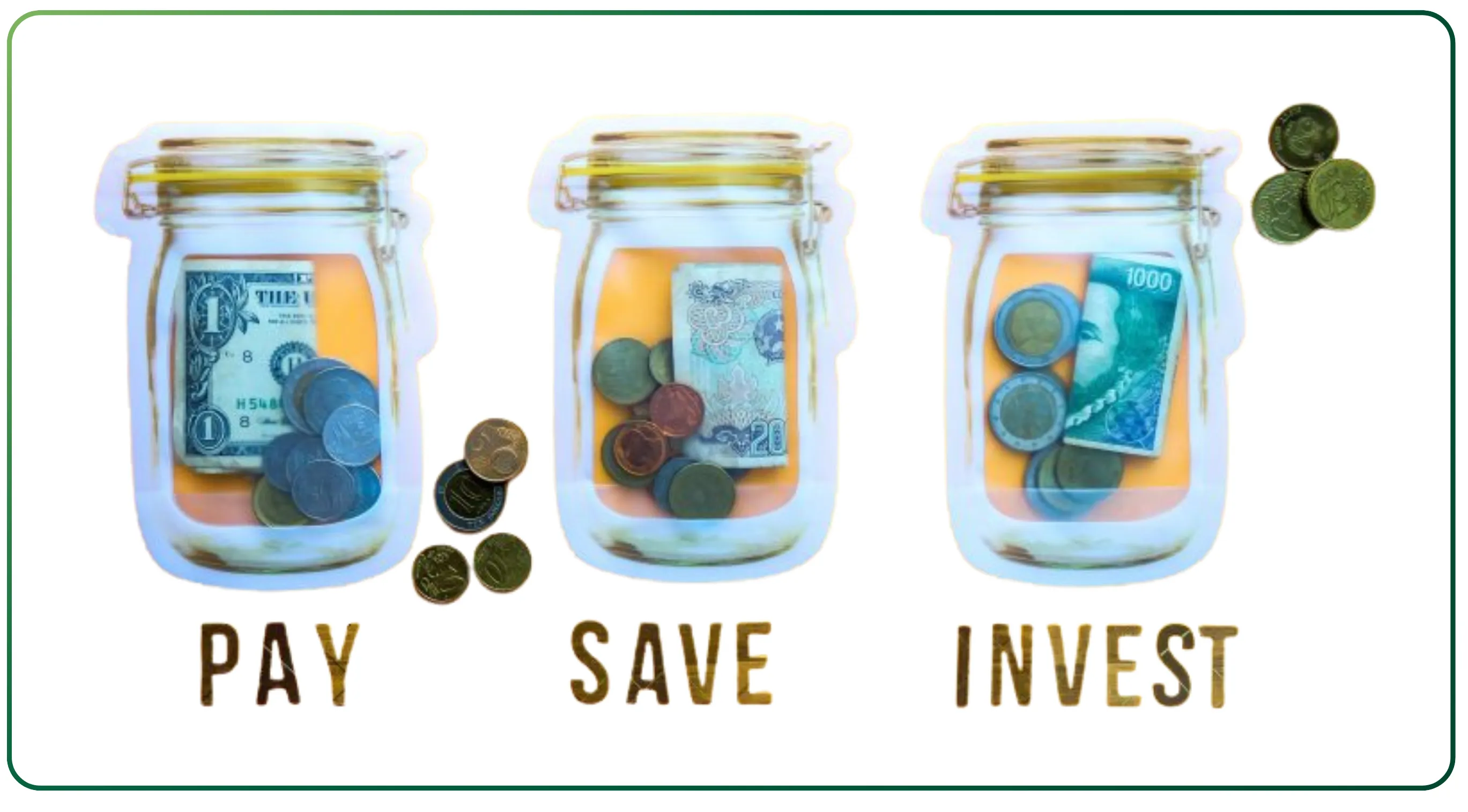
There is no perfect savings percentage that fits everyone. Your personal circumstances play a big role. Understanding these factors helps you set realistic goals.
your income
Naturally, someone earning a higher salary can save a larger percentage. But even if you earn less, saving small amounts regularly works wonders over time.
your lifestyle and expenses
Your rent, family responsibilities, city of residence, travel costs, and other commitments affect how much you can save. Instead of forcing a fixed number, choose an amount that doesn’t cause stress.
your long-term goals
If you want to buy a house in 5 years, you may need to save more. If your goal is simply to have emergency backup, start small.
your debts and EMIs
If you have loans, some part of your savings percentage can go toward paying them off faster. Once those loans are cleared, that money becomes available for future savings.
your family situation
Supporting parents, siblings, or children changes how much you can put aside. Be realistic and flexible.
A good approach is this:
Aim for 20% savings. If not possible, start with 10%. If even that is hard, start with 5% and slowly move upward.
Easy Tips to Start Saving Without Feeling Overwhelmed

Most people want to save money but struggle to start. Here are simple, beginner-friendly techniques:
Track Your Spending
For one month, write down everything you spend, even small things like tea or snacks. You will be surprised how many unnecessary expenses you discover.
Save First, Spend Later
The biggest mistake people make is trying to save “whatever is left” at the end of the month. That never works. Instead, when your salary arrives, immediately transfer your savings amount to another account. This makes the process automatic and stress-free.
Automate Your Savings
Set up automatic transfers or standing instructions so your bank moves money to savings or investments without you having to remember.
Reduce Only the Unnecessary, Not Everything
You don’t have to stop eating out or enjoying life. Just cut back on expenses you don’t truly need impulse shopping, unused subscriptions, etc.
Increase Savings Whenever Income Goes Up
Whenever you get a raise, start increasing your savings percentage too. This ensures that lifestyle upgrade doesn’t eat up all your extra income.
How Regular Saving Changes Your Life
Saving consistently has long-term benefits, even if the amount seems small.
Peace of Mind
You don’t feel stressed during emergencies because you know you have backup money.
Financial Freedom
You’re not stuck with debts, EMIs, or money pressure. You can make choices freely.
More Opportunities
With savings, you can invest, grow money, travel, study, or explore new career options.
A Better Future
You build a stronger foundation for buying a home, planning retirement, or starting a family. Saving regularly is like planting a tree. You may not see immediate results, but over time, it grows into something strong and valuable.
A Simple Step-by-Step Plan to Begin Saving Today
If you’re new to saving, here’s a simple plan anyone can follow:
Step 1: Save 10% of your salary to start
If that’s too hard, start with 5%. The important thing is to begin the habit.
Step 2: Build a small emergency fund first
Aim for savings equal to 1–3 months of your necessary expenses.
Step 3: Once the emergency fund is ready, start investing
You can use SIPs, PF, PPF, RD, or other options suitable for your country.
Step 4: Increase your savings percentage every year
Raises, bonuses, or reduced expenses should automatically increase your savings.
Step 5: Review your budget every 6 months
This helps you stay on track and make improvements.
Key Takeaways
Saving a portion of your income is essential for financial security and future goals.
Aim to save 15%–20% of your income, but starting with 5%–10% is perfectly fine.
The 50/30/20 rule helps divide your income into needs, wants, and savings.
Your savings rate should match your lifestyle, responsibilities, income, and goals.
Automating savings and tracking expenses makes saving easier and more consistent.
A strong saving habit provides peace of mind, freedom from debt, and long-term opportunities.
Start small, build an emergency fund, and increase savings as income grows.
Start yours with smart investing on CubePlus and take control of your financial goals. Click here to sign up
Disclaimer: The information provided in our blogs is for informational purposes only and should not be construed as financial, investment, or trading advice. Trading and investing in the securities market carries risk. Always conduct your own research and consult with a qualified financial advisor before making any investment decisions. Past performance is not indicative of future results. Copyrighted and original content for your trading and investing needs.
© 2025 — Tradejini. All Rights Reserved.