Clean Price vs Dirty Price in Bonds: Understanding the Difference
As an investor, you pride yourself on finding value. You’ve researched the bond market, tracked trends, and spotted a bond quote that looks like a great deal. You execute the trade, but when the invoice price arrives, the number is higher than the quoted price. What happened? This common scenario isn't a mistake; it's the fundamental difference between a bond's "clean price" and its "dirty price." Understanding the distinction between the clean price and dirty price in bonds is crucial for knowing the actual cost of your investment and making informed decisions.
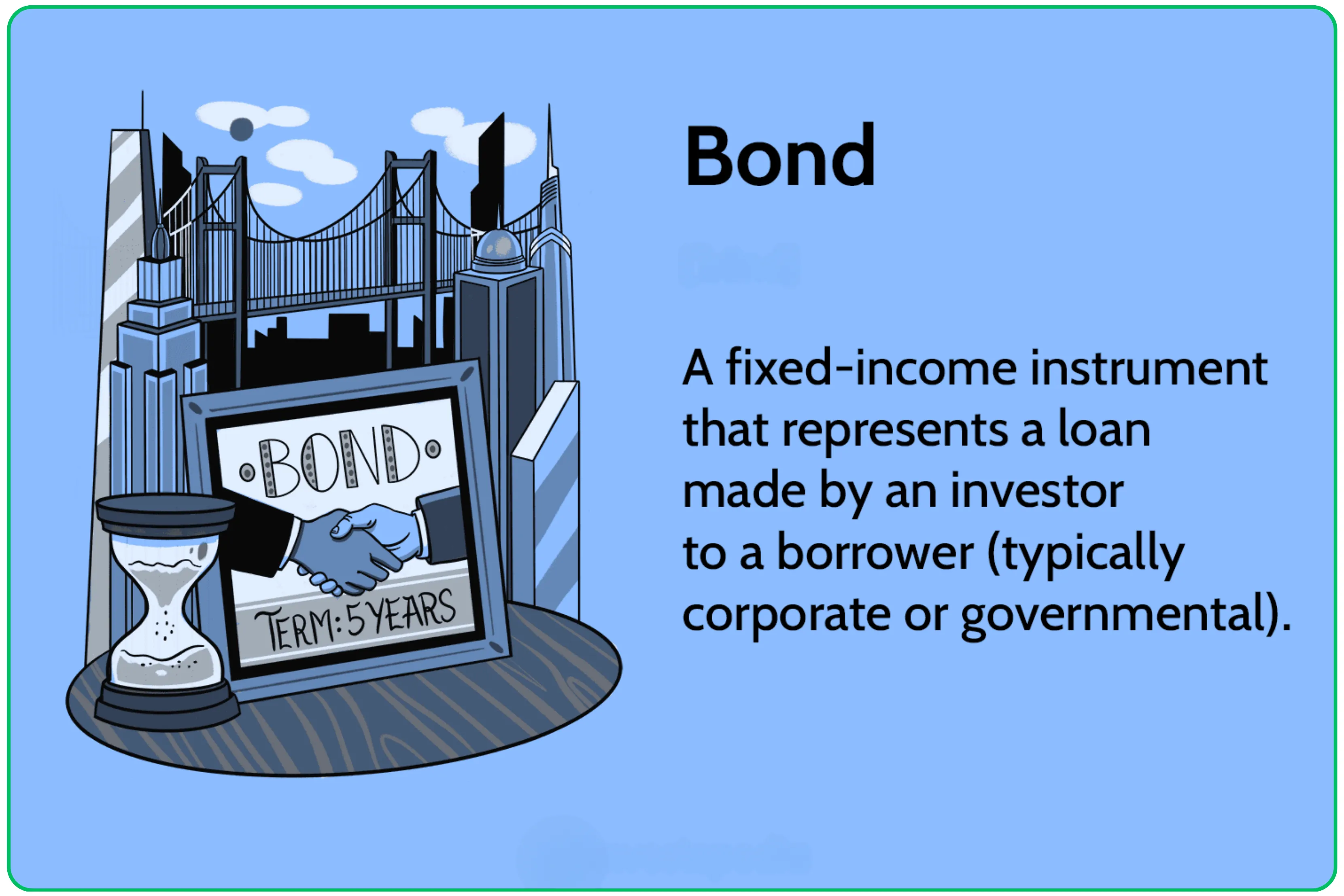
Accrued Interest: The Key to Understanding the Total Cost
So, where does the extra cost come from? The answer is accrued interest. Most bonds make interest payments (coupons) on a fixed schedule, typically semi-annually. Between these payment dates, interest accrues daily. When a bond seller (current holder of the bond) decides to sell their bond in the secondary market before the next coupon payment date, they are entitled to the interest earned during the time they held it since the last payment.
This is where accrued interest ensures fairness. The new buyer will receive the entire upcoming coupon payment, even if they've only owned the bond for a short period. To compensate the seller, the buyer pays them their share of the upcoming coupon upfront. This amount of interest accrued but not yet paid is the missing piece of the puzzle. The dirty price includes this amount, ensuring the seller is rightfully compensated for the period they held the bond since the last coupon payment.
Clean and Dirty Price: The Two Sides of a Bond's Value
In bond transactions, you will constantly encounter the concepts of clean and dirty price. The relationship is simple and defines the total price you will ultimately pay. The dirty price represents the all-in, settlement price of a bond.
Formula
Dirty Price = Clean Price + Accrued Interest
Understanding both the clean price and the dirty price is essential. The clean price provides a stable benchmark for valuation, while the dirty price reflects the actual amount of cash required to complete the purchase on a specific purchase date. The difference between clean and dirty is simply the accrued interest.
Clean Price: The Benchmark for Bond Comparison
Think of the clean price as the sticker price of a bond. It is sometimes referred to as the flat price or base price. This is the price of a bond you'll typically see on financial news sites and in market analysis. The reason for quoting bond prices this way in the U.S. is to provide a consistent measure to compare bonds. It reflects the bond's intrinsic value based on factors like the issuer's creditworthiness, the prevailing interest rate, and the time to maturity. Essentially, it is the present value of all future cash flows (including future coupon payments and the par value), stripped of any interest that has accumulated since the last interest payment date.
Bond Pricing: A Real-World Example
Let's make this tangible with a real-world example of bond pricing. Imagine a corporate coupon bond with a face value (or par value) of ₹1,000.
- Clean Price: It’s trading at ₹980. This is the market price you see quoted.
- Coupon Rate: 6% annual coupon, paid semi-annually. This means it pays a ₹30 coupon payment every six months (180 days).
- Transaction: You decide to buy this bond 90 days after the last payment date.
Step 1: Calculate the Accrued Interest
The bond has accumulated half of the next coupon's interest.
Interest earned per day: ₹30 / 180 days ≈ ₹0.167 per day.
Accrued Interest: ₹0.167/day × 90 days = ₹15.
This is the price accrued interest.
Step 2: Convert Clean Price to Dirty Price
Now, let's determine the bond's dirty price.
Dirty Price = Clean Price + Accrued Interest
Dirty Price = ₹980 + ₹15 = ₹995
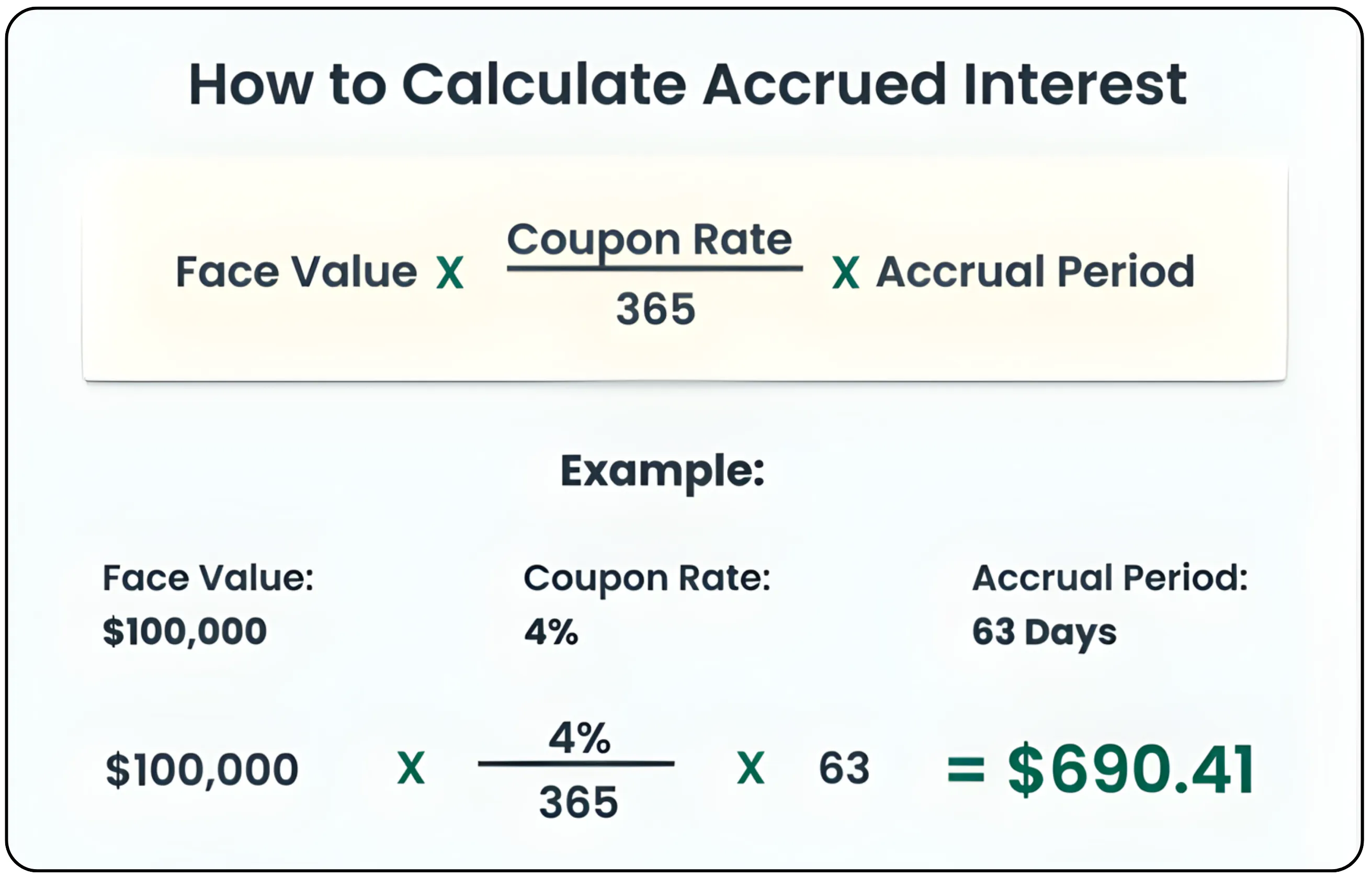
So, while the bond quote was ₹980, your total cost is ₹995 (plus any commissions). Three months later, on the payment date, you will receive the full ₹30 interest payment. This repays the ₹15 in accrued interest you advanced to the seller and gives you the ₹15 you earned.
Clean and Dirty Prices: The "Sawtooth" Effect
The relationship between clean and dirty prices creates a dynamic pattern. While clean prices move based on shifts in the current market and the bond's price approaches its par value at maturity, dirty prices fluctuate daily. As the bond approaches its coupon payment date, interest accumulates, and the dirty price steadily climbs.
On the coupon payment date, the coupon is paid out, and the accrued interest resets to zero. For that brief moment, the clean and dirty price are identical. Then, the process begins again. This creates a "sawtooth" pattern on a chart of the bond's dirty price over time. This daily fluctuation is why the clean price is used for valuation, it filters out this predictable noise.
Clean Price and Dirty: Why the Distinction is Crucial
Understanding the relationship between clean price and dirty is not just academic; it's vital for every investor. Knowing whether a market quotes a clean or dirty price (the U.S. prefers clean, Europe often prefers dirty) is essential for avoiding confusion.
- Know your true cost: The dirty price is the full price, telling you the exact amount of capital needed for a trade.
- Accurate yield calculation: Your return on investment depends on the total price you paid. Using only the clean price accrued interest calculation will give you an inaccurate picture.
- Fair market transactions: This system ensures sellers aren't penalized for selling between coupon payment dates, as they are compensated for the interest they've earned.
Clean and Dirty: The Final Takeaway
In the complex world of the bond market, the concepts of clean and dirty are fundamental to bond pricing. The clean price is for valuation and comparison of different bonds, while the dirty price is for the actual transaction. By grasping this distinction, you can analyze bond values with clarity, anticipate your true costs with precision, and engage with the market more confidently. The next time you see a bond price, you'll know it's just the starting point of the story, not the final chapter.
Disclaimer: The information provided in our blogs is for informational purposes only and should not be construed as financial, investment, or trading advice. Trading and investing in the securities market carries risk. Always conduct your own research and consult with a qualified financial advisor before making any investment decisions. Past performance is not indicative of future results. Copyrighted and original content for your trading and investing needs.
© 2025 — Tradejini. All Rights Reserved.
.webp%3Falt%3Dmedia%26token%3D0ead9799-20bc-4d1e-ae8f-d75ab18921b5&w=3840&q=75)