Many new traders assume that Futures Trading Price Action means you must eventually buy or sell the actual shares on expiry day. But that is not really the case for most participants. In India, futures are primarily used for speculation and hedging. Physical delivery comes into play only if you don’t close your position before expiry.
Let’s break down how it works in equity futures.
Futures = trading on price, not owning the stock
Suppose you expect Infosys shares to rise in the coming weeks. Instead of buying shares worth lakhs in the cash market, you can buy Infosys futures by paying only a margin (say 15–20% of the contract value).
This way, you are exposed to the stock’s price movement: you profit if it rises, and you lose if it falls without owning the actual shares.
But here’s the catch: if you don’t close your futures position before expiry, you may be required to take or give delivery of Infosys shares.
What happens on expiry day?
Index Futures (like Nifty or Bank Nifty)
Always cash-settled.
Example: Suppose you buy Nifty Futures at 22,000. On expiry, if Nifty settles at 22,300, the 300-point gain (× lot size) is directly credited to your account. There is no delivery involved.
👉 Want to check your holdings on Cubeplus? Here’s a simple guide to help you navigate it.
Stock Futures (like Reliance, Infosys, HDFC Bank)
- Under SEBI’s 2019 Stock Futures Rules, Compulsory Physical Settlement applies.
- If you are long on Reliance Futures at expiry, you need to pay the full contract value and take delivery of shares in your demat account
- If you are short on Infosys Futures, you must deliver the shares. If you don’t already own them, your broker may arrange delivery via auction, which can cost extra. This is why most traders Avoid Futures Delivery.
Why most traders avoid delivery
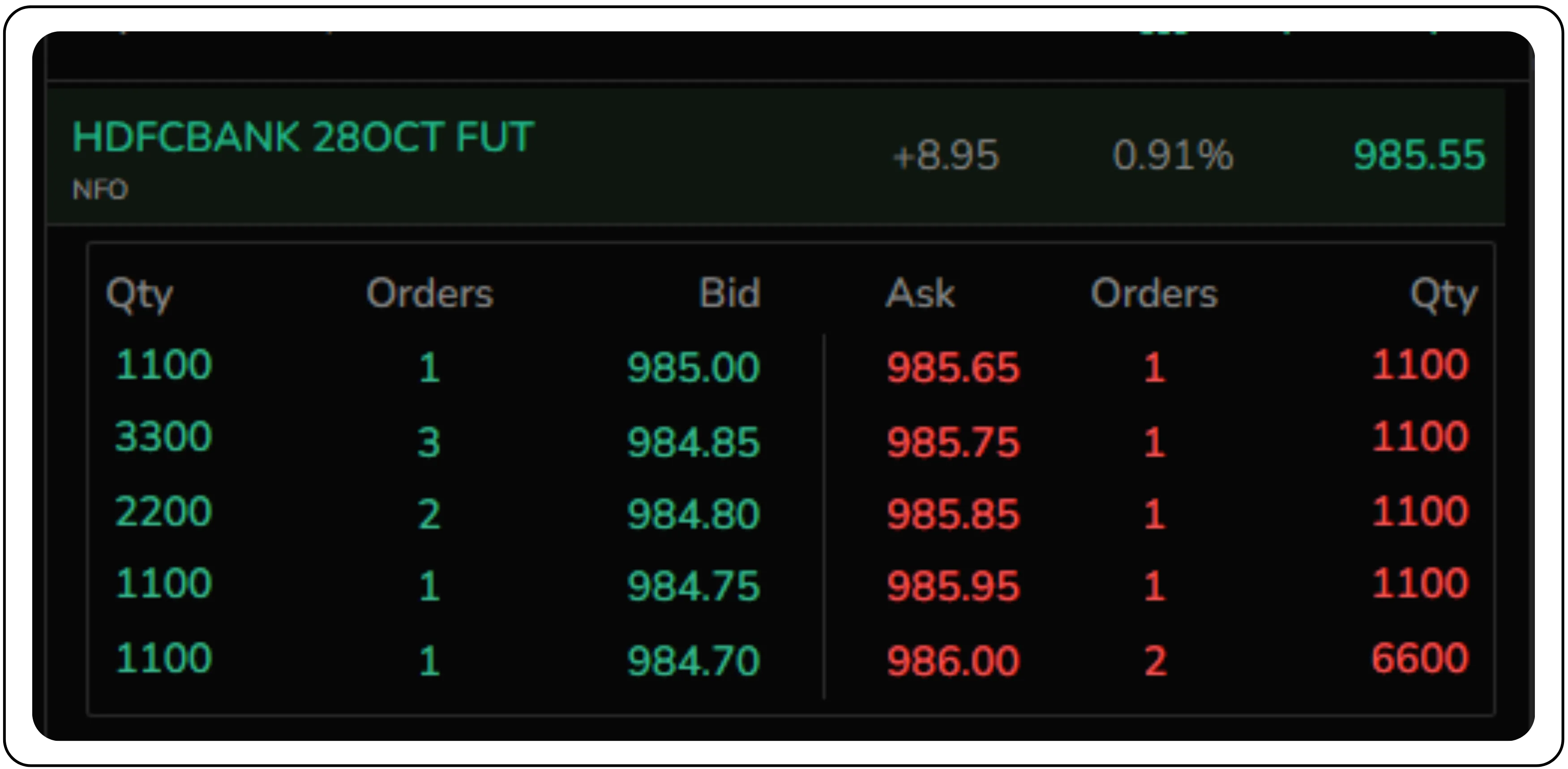
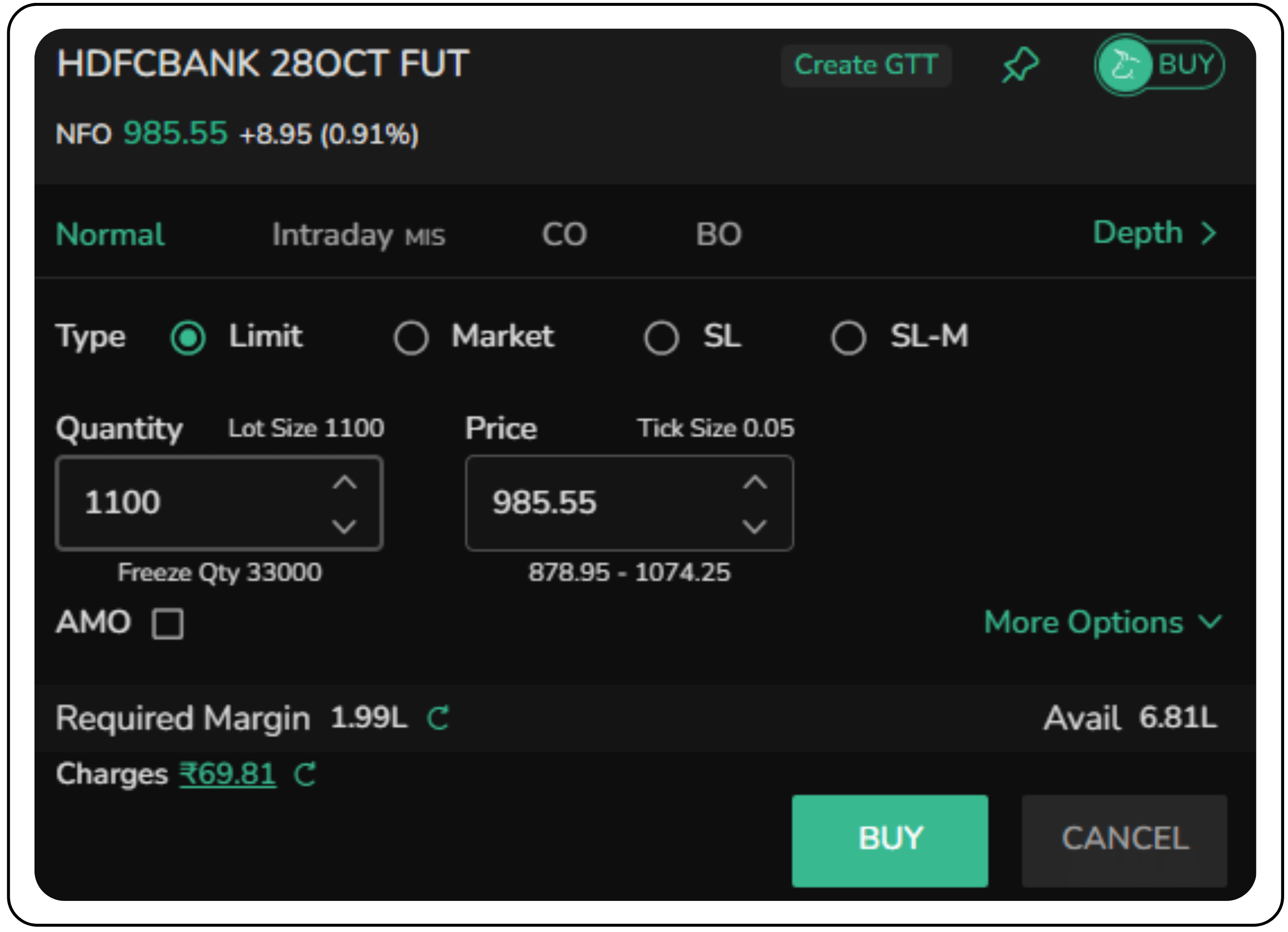
Example 1 – HDFC Bank Futures
Lot size = 1,100 shares
Price = ₹985.55
Contract value = 1100 × 985.55 = ₹10,84,105
Margin required ≈ ₹1.99 lakh (varies by broker & exchange)
This is why over 90% of futures positions are squared off before expiry. Traders prefer to book profits or cut losses early instead of dealing with physical settlement.
What can a trader do?
- Square off early: Exit before expiry and lock in your gains or losses (the most common practice).
- Roll over: Close the current contract and open a position in the next month’s futures if you want to stay invested.
- Take delivery: If you genuinely want the shares (e.g., HDFC Bank), hold until expiry and be ready with the funds.
Bottom line
If you don’t want delivery in futures, simply square off or roll over your futures position before expiry. Futures give you flexibility — you are not forced into delivery unless you choose to hold till the very end.
Like the article? Turn this knowledge into action and explore smarter investing opportunities with CubePlus.
Disclaimer: The information provided in our blogs is for informational purposes only and should not be construed as financial, investment, or trading advice. Trading and investing in the securities market carries risk. Always conduct your own research and consult with a qualified financial advisor before making any investment decisions. Past performance is not indicative of future results. Copyrighted and original content for your trading and investing needs.
© 2025 — Tradejini. All Rights Reserved.
.webp%3Falt%3Dmedia%26token%3D0ead9799-20bc-4d1e-ae8f-d75ab18921b5&w=3840&q=75)