

In business, cash is queen. No matter how profitable your company looks on paper, trouble is not far behind if there is no cash in the bank. For small business owners and entrepreneurs, cash flow is more than just a financial term. It is the real-time health report of your business.
Let’s break this down in simple terms.
What Is Cash Flow?
Cash flow is the movement of money, in and out of your business. It includes the money you earn from sales and the money you spend on salaries, rent, inventory, and everything else.
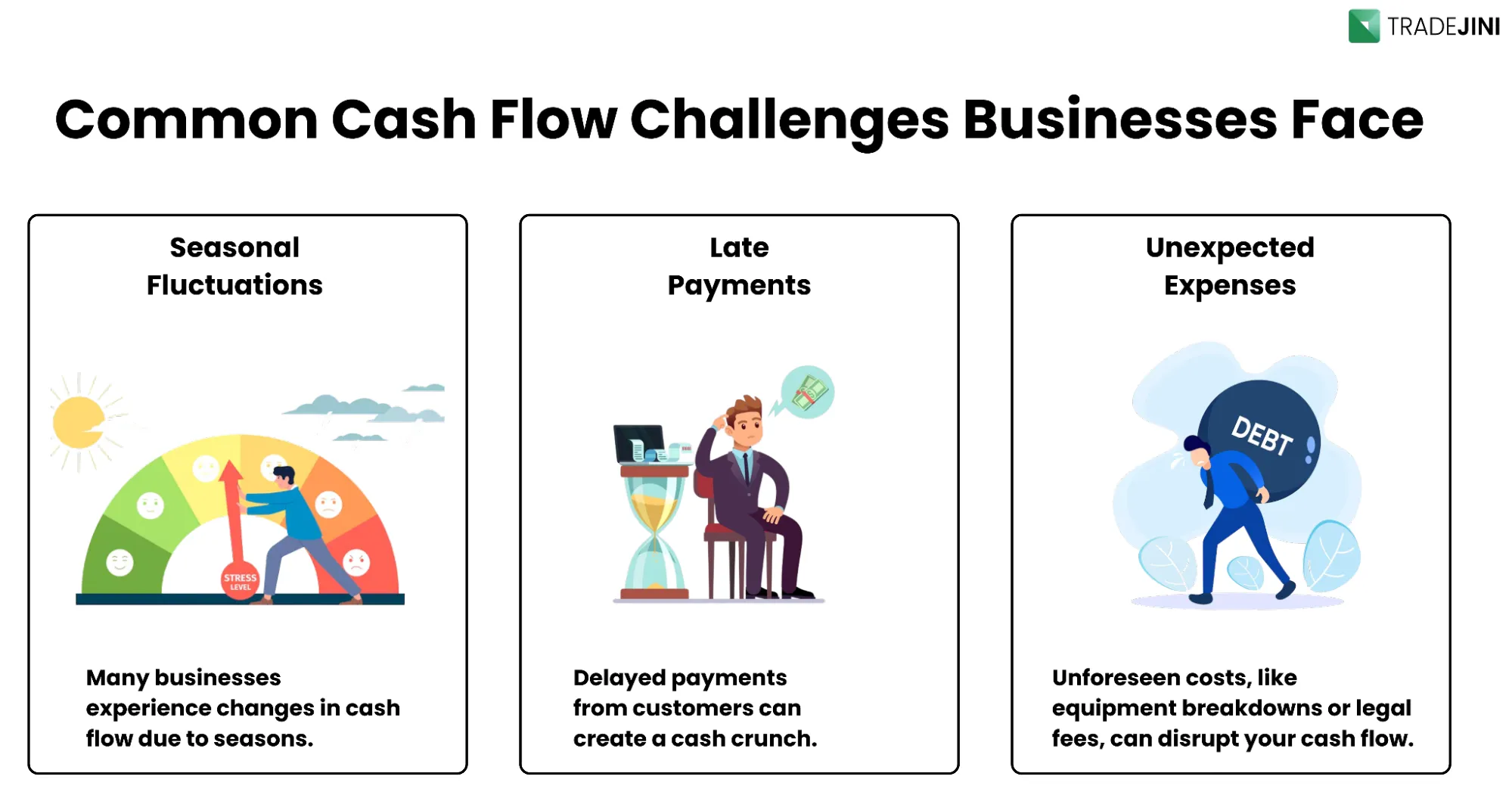
Why is it important? Even if your business is profitable, you can still run out of cash, especially if your customers take too long to pay. Think of it like this: you have made a big sale, but if the payment comes three months later, how will you pay your staff and vendors this month?
That's why cash flow management plays a crucial role. Without it, your business can face serious cash flow problems, even if it's profitable on paper.
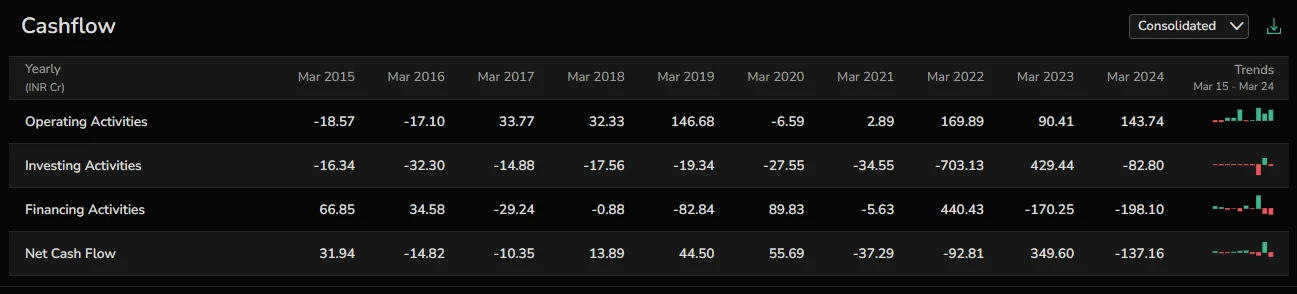
Cash Flow Has 3 Key Components
Let us use MedPlus, a well-known Indian pharmacy retail chain, as an example to understand these concepts.
1. Operating Cash Flow – From Daily Business
This shows money earned or spent from daily operations, like selling medicines.
- Positive cash flow means the company is generating cash from its core business.
- Negative cash flow means it is spending more than it’s earning.
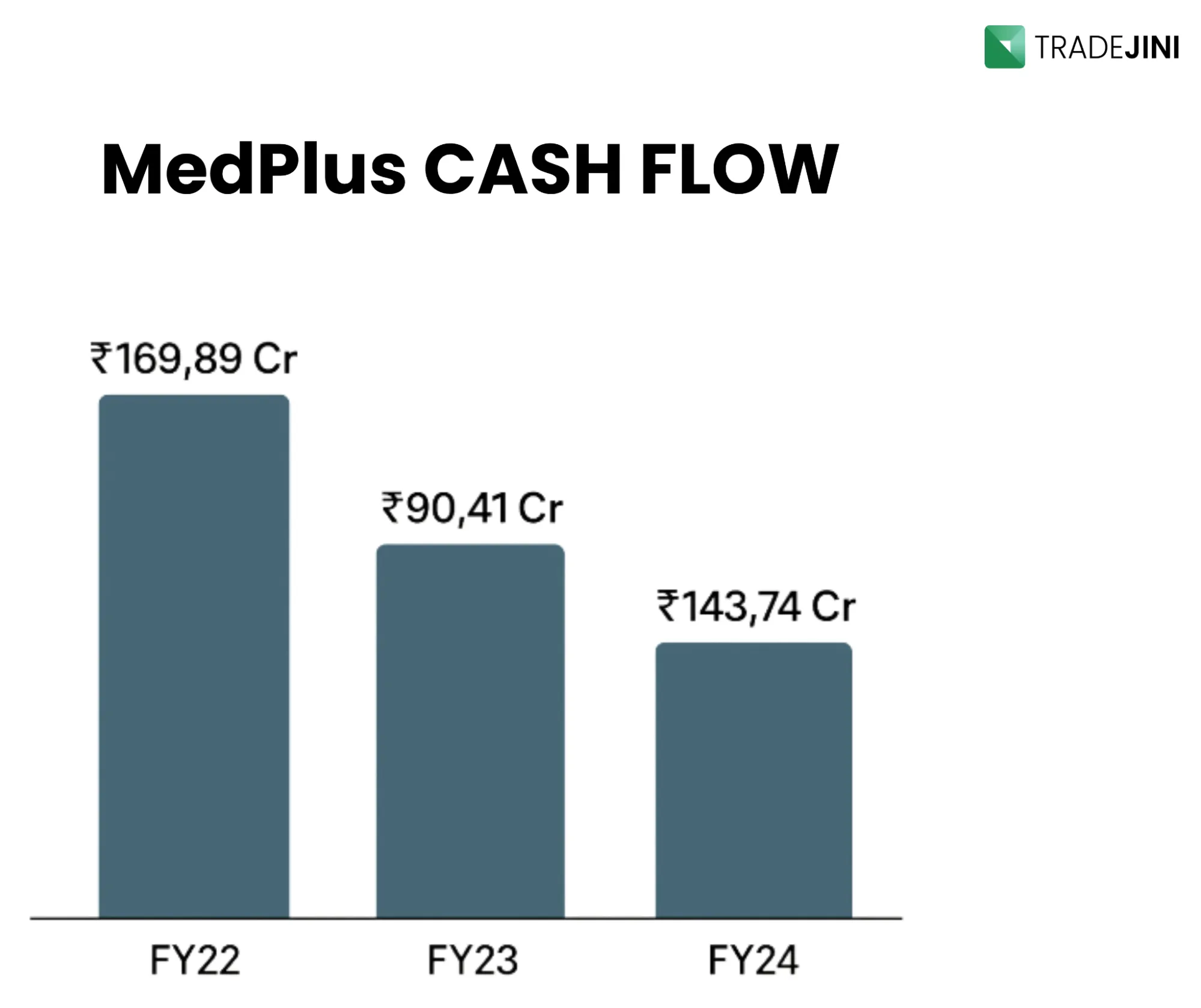
This is a healthy sign, their core business is bringing in steady cash.
2. Investing Cash Flow – Buying/Selling Assets
This includes investments in physical assets like stores, warehouses, or equipment.
- Negative numbers often mean the company is investing in growth.
- Positive numbers mean they are selling assets or earning from previous investments.
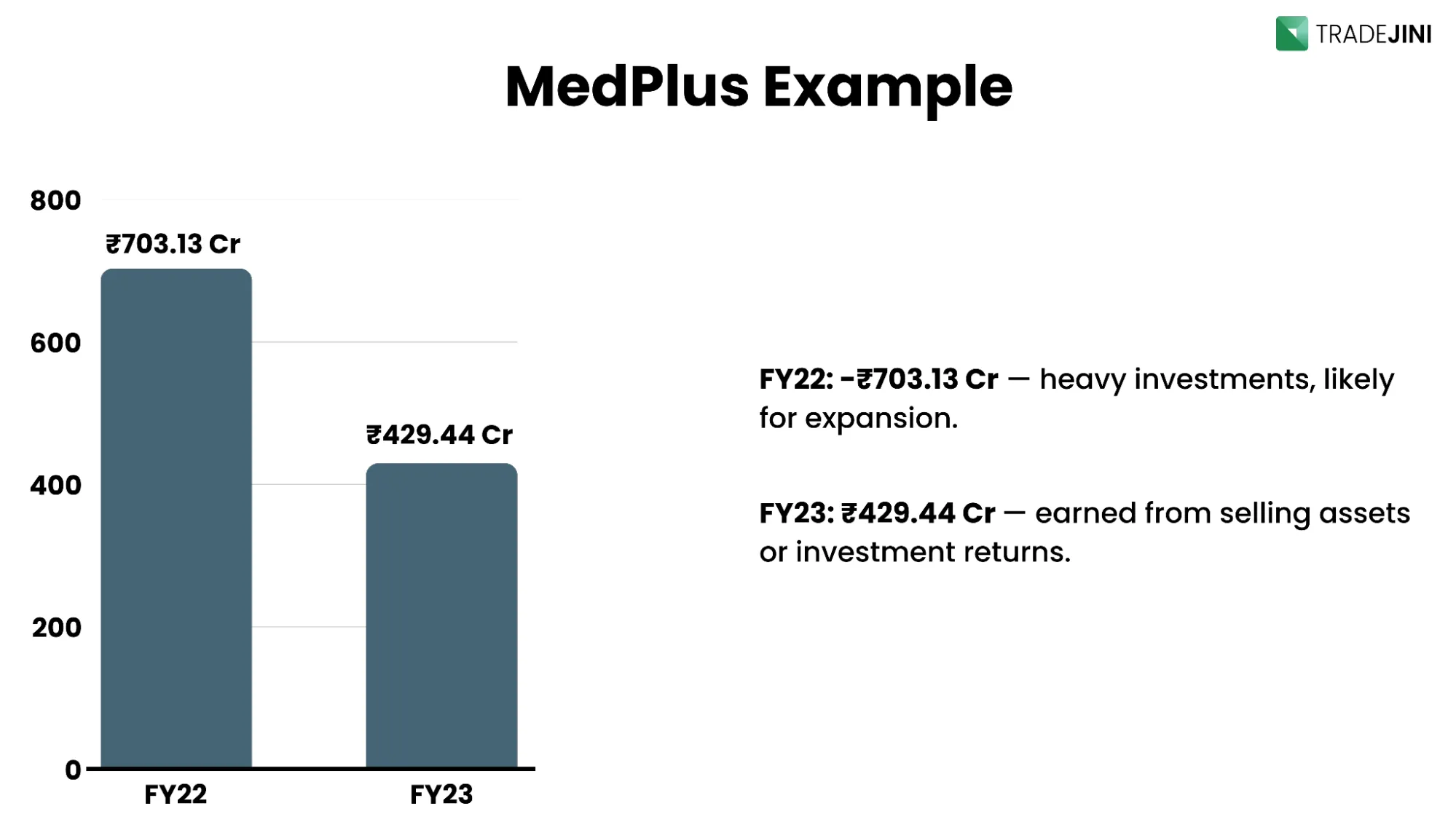
This is your investing cash flow, where negative investing cash flows usually mean the company is building for the future. This shows how companies sometimes spend big to grow, and later recover some of that money.
3. Financing Cash Flow – Loans and Equity
This shows how a business raises or repays money through loans, IPOs, or paying dividends.
- Positive cash flow could mean the company raised funds.
- Negative cash flow often means they repaid loans or distributed profits.
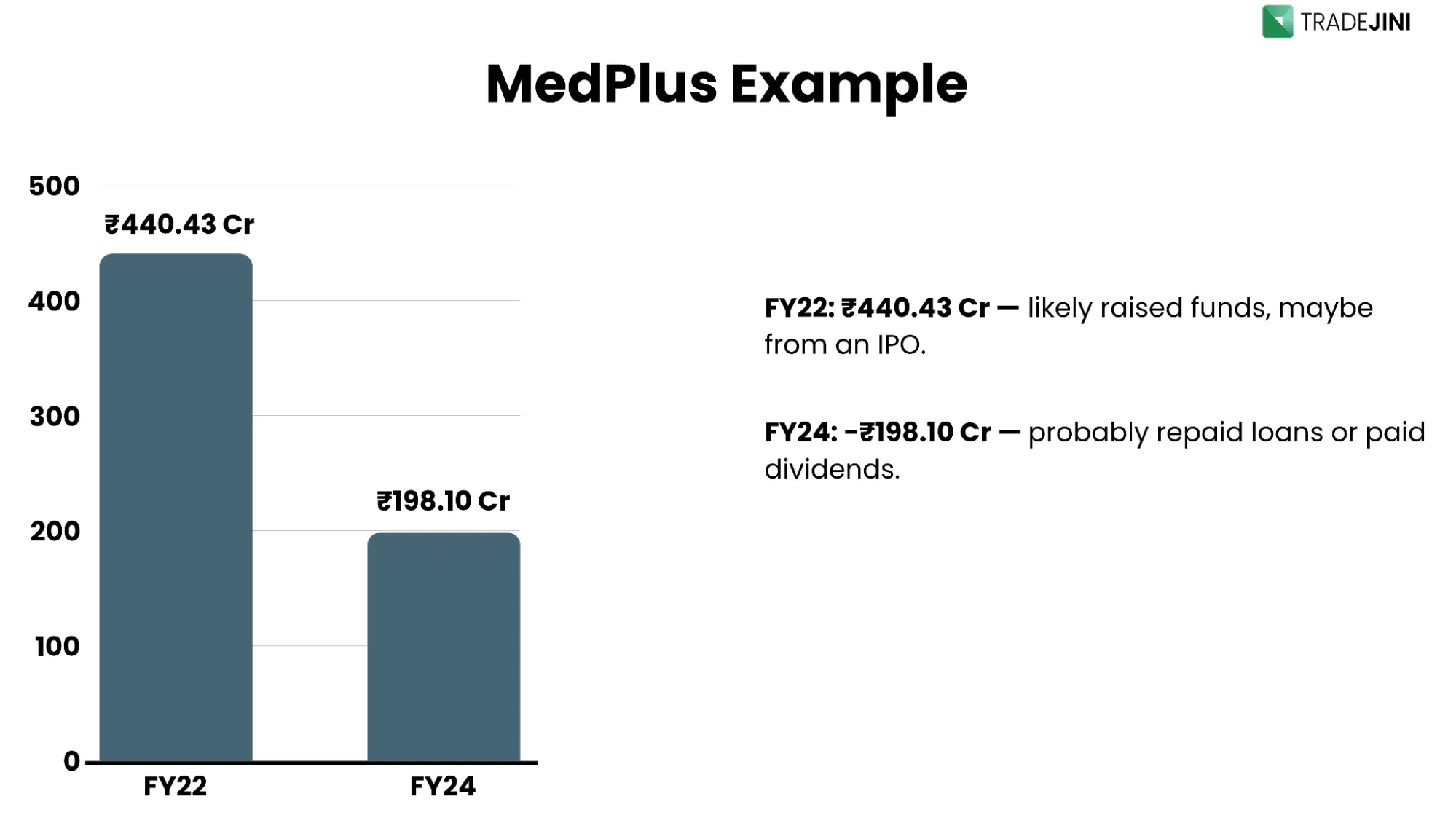
This gives us clues about how the business is managing its external funding.
Net Cash Flow – The Final Scorecard
Net cash flow tells you the final result for the year, whether cash increased or decreased.
Positive = more cash on hand
Negative = cash went out
MedPlus Highlights:
MedPlus reported positive net cash flows in 2019, 2022, and 2023, indicating strong financial performance during those years. However, in 2024, they faced a net cash outflow of ₹137.16 Cr, primarily due to investments and debt repayment. While this might seem concerning, it’s not necessarily a negative sign. If the funds were used for growth or to reduce debt, it could lead to improved performance in the future.
Simple Takeaway for Business Owners
MedPlus has shown how a business can manage cash flow wisely:
Strong operating cash = a healthy core business.
Big investments = signs of future growth.
Cash outflows due to debt repayment = cleaning up finances.
Whether you are running a pharmacy, a kirana store, or a tech startup, understanding where your money comes from and where it goes is crucial. That’s the real importance of cash flow. Because in business, it’s not just about earning money. It’s about having it when you need it.
.webp%3Falt%3Dmedia%26token%3D0ead9799-20bc-4d1e-ae8f-d75ab18921b5&w=3840&q=75)