


In recent years, there has been a noticeable increase in interest from affluent Indians in acquiring second homes and residency rights in foreign countries. The idea isn’t just about a luxury apartment or a beachfront villa; it’s about mobility, security, lifestyle, and long-term planning.
From Dubai’s Golden Visa to European residency-by-investment programmes, the options are widening. And many Indians, from entrepreneurs and top-level executives to professionals and family business owners, are taking a closer look.
The appeal of ‘Golden Visas’
Golden Visas, or residency-by-investment programmes, allow individuals to gain residency or long-term permits in a country by investing in real estate, businesses, or government funds. These programmes are now available in over 100 countries, though the terms and benefits vary widely.
The concept gained momentum globally after the 2008 financial crisis and saw renewed demand post the COVID-19 Delta wave. For many Indian families, especially those who couldn’t travel during lockdowns, the pandemic served as a wake-up call. The idea of a ‘Plan B,’ a second home abroad, started to feel less like a luxury and more like a strategic move.
UAE, a growing favourite
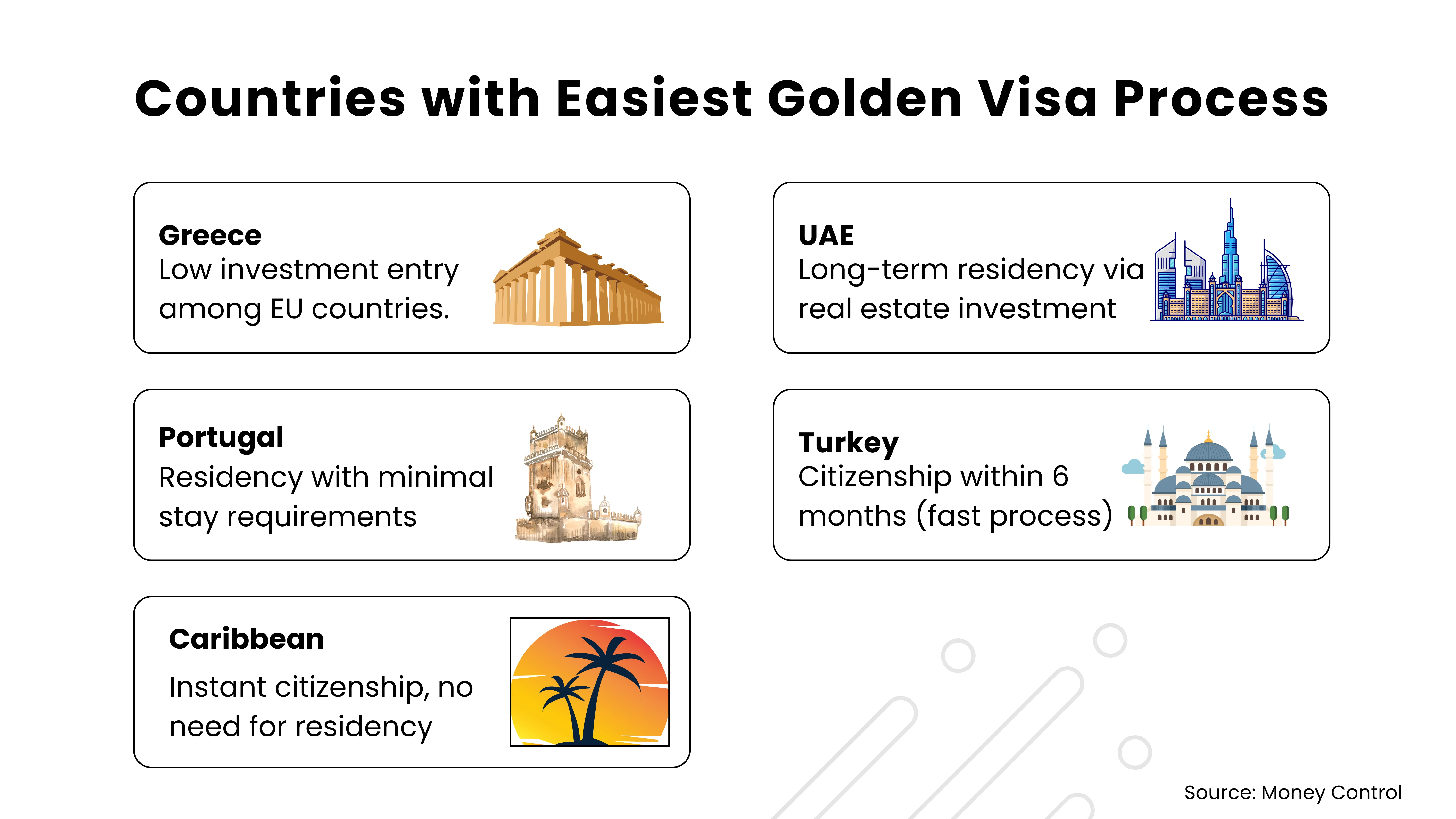
Among all destinations, the UAE, especially Dubai, has emerged as a frontrunner. According to Henley & Partners, around 6,700 millionaires are estimated to have relocated to the UAE by the end of 2024. The country’s no-income-tax regime, strategic location, and top-tier infrastructure are major attractions.
However, it's important to note that the UAE's traditional Golden Visa has been a long-term residency programme, not a pathway to citizenship (except in exceptional cases). For those prioritizing global travel freedom or dual citizenship, other countries may offer more flexibility.
What’s new: UAE’s lifetime residency without investment.
In a major policy update, the UAE has now introduced a nomination-based Golden Visa, offering lifetime residency for a one-time fee of AED 1,00,000 (approx ₹23 lakh) without requiring any property or business investment. This is a significant shift targeting individuals with professional achievements or societal contributions.
Applications are being handled by Rayad Group, in partnership with VFS and One Vasco centres across India and Bangladesh. This pilot programme is currently open only to applicants from these two countries, and more than 5,000 applications from Indians are expected within the first three months.
Key features of the new nomination model:
No investment in property or business required
One-time payment of AED 1,00,000
Lifetime UAE residency
Eligibility based on professional background, societal contributions, or value to UAE’s culture, trade, science, finance, or startup ecosystem
Family sponsorship, business operations, and domestic staff hiring permitted
Vetting includes AML, criminal record, and social media checks
The nomination-based visa complements, rather than replaces, existing investment and merit-based routes, giving Indian applicants more flexibility based on their goals.

Europe, the Caribbean, and beyond
Other places outside of the UAE that are being considered as intriguing include Greece, Malta, Turkey, Spain, and a number of Caribbean countries. These countries offer a mix of residency or citizenship through real estate investment, often with access to visa-free travel across Europe or other regions.
Malta, for example, is becoming popular among Indian investors for offering permanent residency with fewer restrictions and no language barrier. In the Caribbean, programmes in countries like Grenada or St. Kitts and Nevis are known for their relatively quicker processing and attractive taxation environments.
For those eyeing the UK or US, the picture is more complex. The UK has scrapped its golden visa programme, while the US has proposed a new 'Gold Card' a $5 million fast-track citizenship offer, as an alternative to the EB-5 visa. These are still evolving and may not suit everyone’s timelines or expectations.
Why real estate?
Real estate remains the preferred route for most investors, not just because of the visa benefits but also because it offers tangible value. Properties in international markets offer portfolio diversification, a hedge against currency fluctuations, and the potential for capital appreciation. For families with children studying abroad, owning property also provides a home base while offering long-term financial advantages.
Experts note that average post-tax rental yields in overseas markets are higher than India’s typical 2–2.5%, with some international cities offering yields around 3% or more, sometimes even 5–8% in hotspots like Dubai.
Things to consider
While the benefits are tempting, a second residency comes with its own set of challenges. High entry costs, legal complexities, and ongoing tax or maintenance obligations require careful planning. Each country has its own set of regulations, investment thresholds, and fine print that can affect the overall return and experience.
For instance, while Dubai doesn’t levy income tax, property owners do pay a 4% one-time transfer fee and must factor in municipal charges. Similarly, European countries may have annual property taxes or minimum stay requirements that impact eligibility.
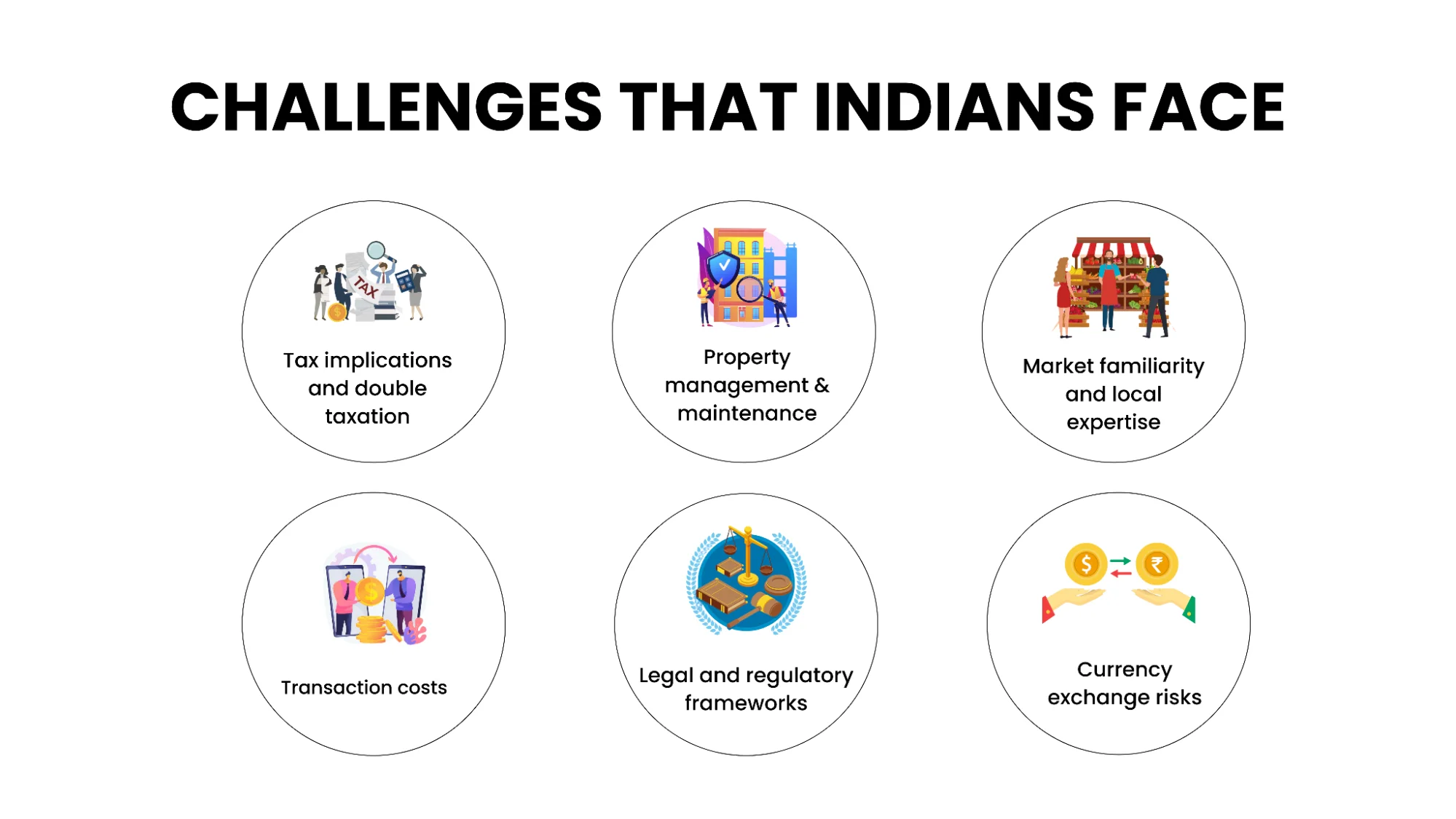
It is better and safer to take advice from professionals who understand both Indian and international tax laws, real estate practices, and immigration processes to navigate these nuances smoothly.
Beyond luxury, a strategic move
Second residency is no longer just about status or luxury for Indian families. It’s about strategic diversification, global access, and future-proofing assets. With new pathways like UAE’s non-investment, lifetime visa, the options are more accessible than ever, but so are the responsibilities.
Disclaimer: The information provided in our blogs is for informational purposes only and should not be construed as financial, investment, or trading advice. Trading and investing in the securities market carries risk. Always conduct your own research and consult with a qualified financial advisor before making any investment decisions. Past performance is not indicative of future results. Copyrighted and original content for your trading and investing needs.
© 2025 — Tradejini. All Rights Reserved.


