Option selling, also known as options writing, represents a sophisticated trading strategy where traders collect premiums upfront by selling options contracts to other market participants. Unlike option buying, where traders pay a premium to acquire rights, option sellers receive immediate income but take on greater responsibility. Understanding the capital required for option selling is crucial for anyone looking to implement this trading strategy effectively while managing market risk.
The minimum amount needed for option selling varies significantly based on several factors including the underlying asset, market conditions, and regulatory requirements. In India's current market environment, with updated margin requirements and SEBI regulations, option sellers typically need substantial capital to participate in this market segment.
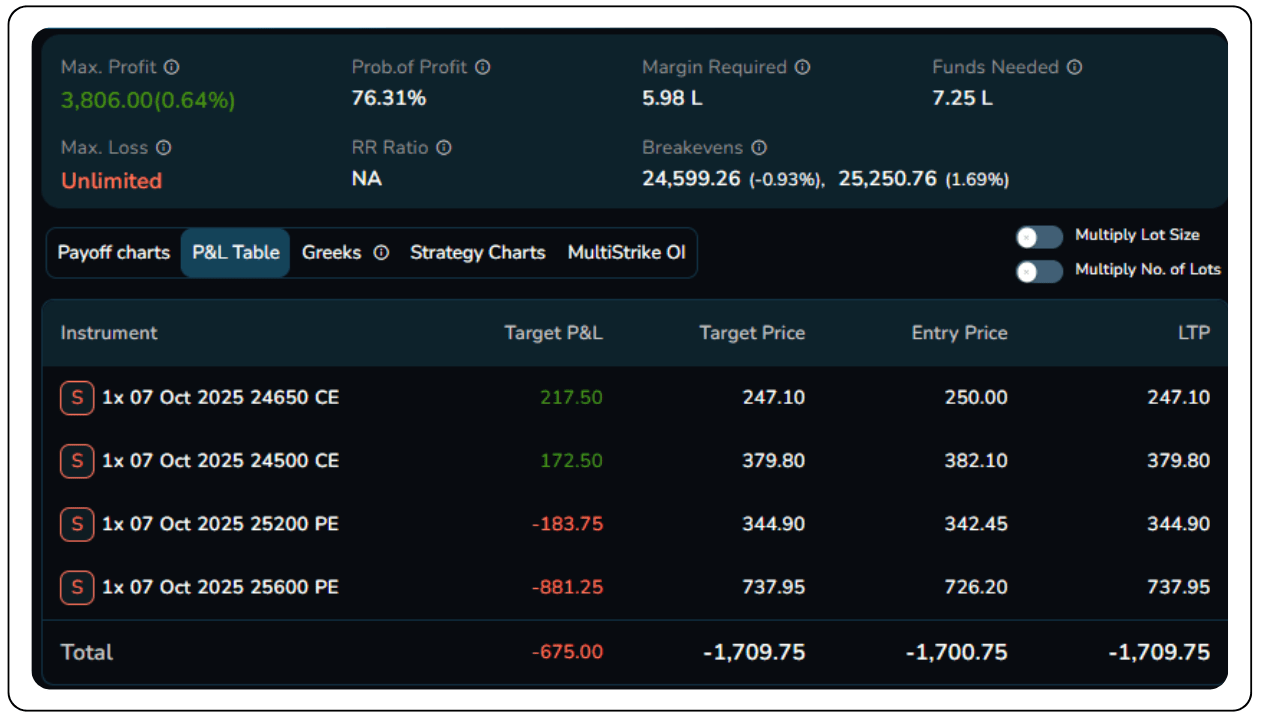
NXTOPTION displays the margin required for option sellers upfront, showing how much capital must be blocked to take the position. It also lists the total funds needed, which includes margin plus additional capital for potential mark-to-market losses.
Current Margin Requirements for Option Selling
SPAN and Exposure Margin Components
The margin requirement for selling options consists of two primary components: SPAN margin and exposure margin. SPAN margin (Standard Portfolio Analysis of Risk) represents the minimum margin required to initiate a position, calculated based on the worst-case scenario of potential losses.
Exposure margin serves as an additional buffer beyond the SPAN margin, providing extra protection against market risk. For index options trading, the exposure margin is typically 2% of the contract value, while for stock options, it ranges from 1.5 to 3.5% depending on volatility.
Updated Capital Requirements (2024-2025)
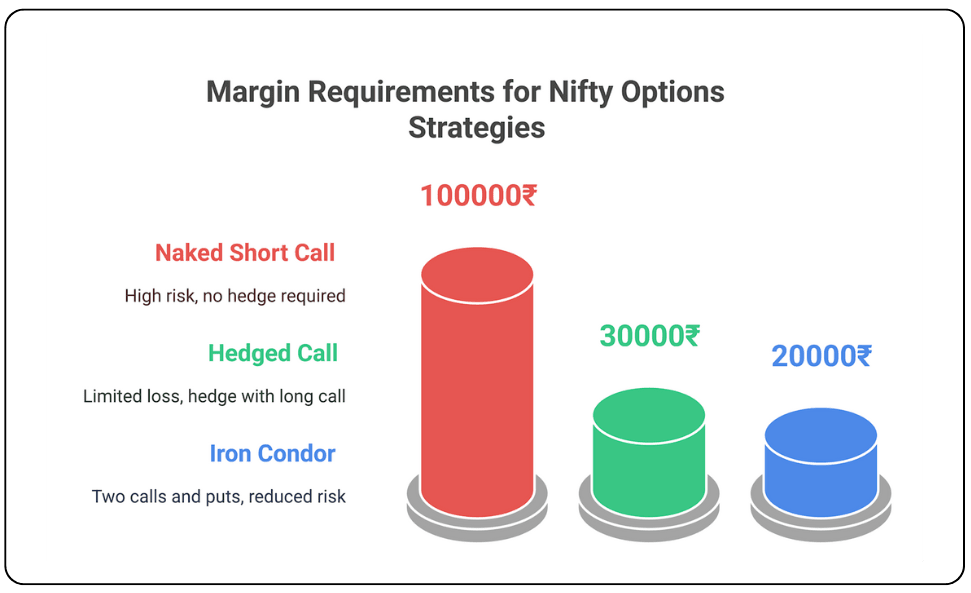
Under SEBI's recent margin rules, selling options requires significantly higher upfront capital. For Nifty options, option sellers generally need between ₹1,00,000 to ₹1,50,000 per lot, depending on the strike price, volatility, and market conditions. This represents a substantial increase from previous requirements, where intraday selling options might have needed only ₹50,000.
The increased lot sizes implemented in November 2024 have further elevated capital requirements. Nifty 50 lot size increased from 25 to 75 units, while Bank Nifty rose from 15 to 30 units. These changes mean that options traders now need approximately three times the previous capital to execute the same number of contracts.
Factors Affecting Capital Requirements
Market Volatility and Risk Assessment
Market conditions play a crucial role in determining the actual capital needed for option selling. During high volatility periods, margin requirements increase substantially as exchanges implement additional risk premiums. Options traders must monitor the India VIX (volatility index) as elevated levels typically result in higher margin required for short positions.
Strike Price Selection and Moneyness
The choice of strike price significantly impacts capital requirements. In-the-money options generally require higher margins due to their greater probability of exercise, while far out-of-the-money options may require additional risk premiums despite appearing safer. Options traders must carefully balance strike price selection with available capital and risk tolerance.
Time to Expiry and Theta Decay
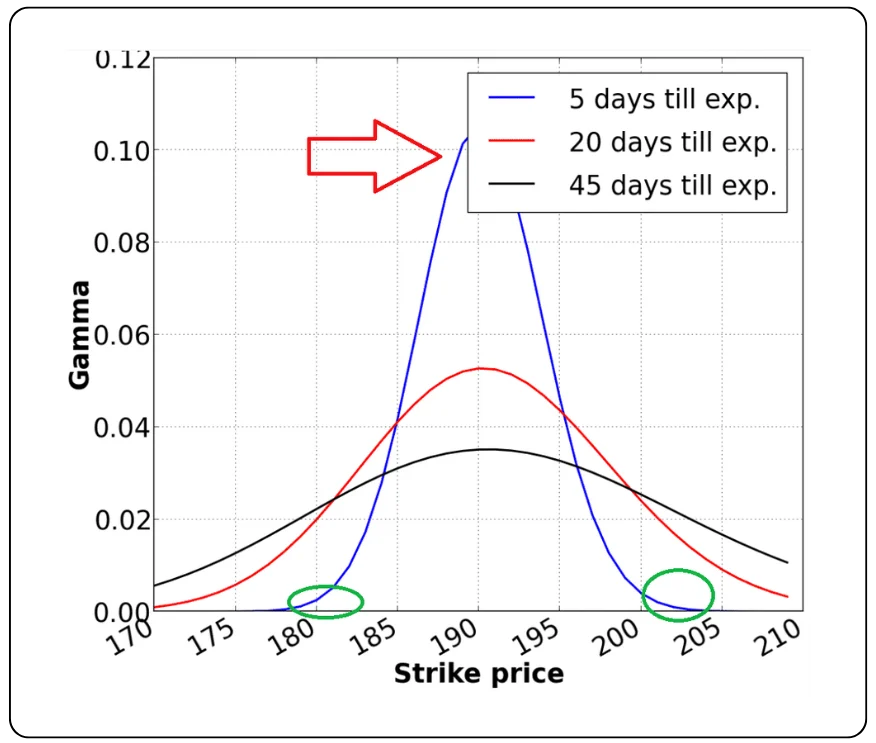
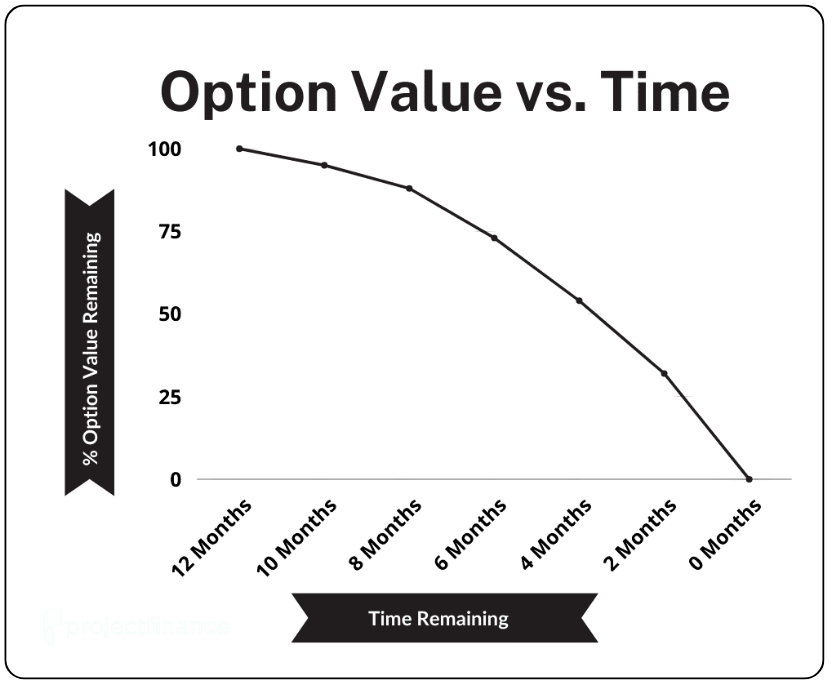
The holding period until expiry date affects both margin requirements and profit potential. Options closer to expiration experience accelerated time decay (theta), which benefits option sellers but may require additional margins on expiry day. SEBI has implemented an Extreme Loss Margin (ELM) of 2% on short positions during expiry day to account for increased volatility.
Also read: Could Laxmi Dental Be the Hidden Gem in Healthcare?
Risk Management Strategies for Option Sellers
Position Sizing and Capital Allocation
Effective risk management strategies begin with proper position sizing. Options traders should risk no more than 1-2% of their total capital on any single trade. For traders with ₹5,00,000 in trading capital, the maximum loss per trade should not exceed ₹5,000 to ₹10,000.
Stop Loss Implementation
Stop loss strategies are non-negotiable for option sellers despite some traders believing they're unnecessary. Options traders can implement stop loss using:
- Premium-based methods (exit when option premium doubles)
- Underlying-based methods (place stops at specific market levels)
- Monetary stops (exit at predefined loss amounts)
Hedging Strategies
Hedging reduces unlimited loss potential inherent in naked option selling. Popular techniques include buying far out-of-the-money options as insurance or shifting to defined-risk strategies like Iron Condors or spreads. While hedging reduces profits, it significantly limits maximum loss exposure, making it an essential component of effective risk management.

Starting with Small Capital: Practical Approaches
Minimum Capital Considerations
While option selling traditionally requires substantial capital, beginners can start with smaller amounts by focusing on specific strategies. Options trading with small capital (typically less than ₹2 lakhs) is generally considered limited for selling strategies. However, options traders can begin their journey through option buying, which requires significantly less capital.
Paper Trading for Skill Development
Paper trading provides invaluable experience without risking real money. This continuous education tool allows options traders to practice trading strategy implementation, understand market dynamics, and develop effective risk management skills. Most brokers offer paper trading platforms that simulate real market conditions while providing risk-free learning environments.
Paper trading benefits include risk-free learning, understanding market conditions without emotional pressure, testing various strategies, and gaining platform experience. Options traders should utilize paper trading extensively before committing actual capital to option selling strategies.
Advanced Capital Management Techniques
Diversification and Portfolio Management
Diversification represents a key pillar of risk management for option sellers. Options traders should avoid concentrating all capital in one strike price or one side (only calls or only puts). Effective risk management includes trading multiple strike prices, using both call option and put option selling to balance delta exposure, and spreading trades across different indices when capital allows.
Volatility-Based Adjustments
Options traders must adjust capital allocation based on market conditions. During high India VIX periods, reducing position sizes and avoiding naked selling options becomes crucial. Market outlook assessments should influence both capital deployment and strategy selection, with conservative approaches during uncertain market trends.
Margin Optimization Strategies
Understanding margin requirement calculations enables options traders to optimize capital usage. Spread strategies typically require less margin than naked positions due to defined risk profiles. Options traders can leverage these techniques to achieve better capital efficiency while maintaining effective risk management.
Technology and Continuous Learning
Trading Platforms and Tools
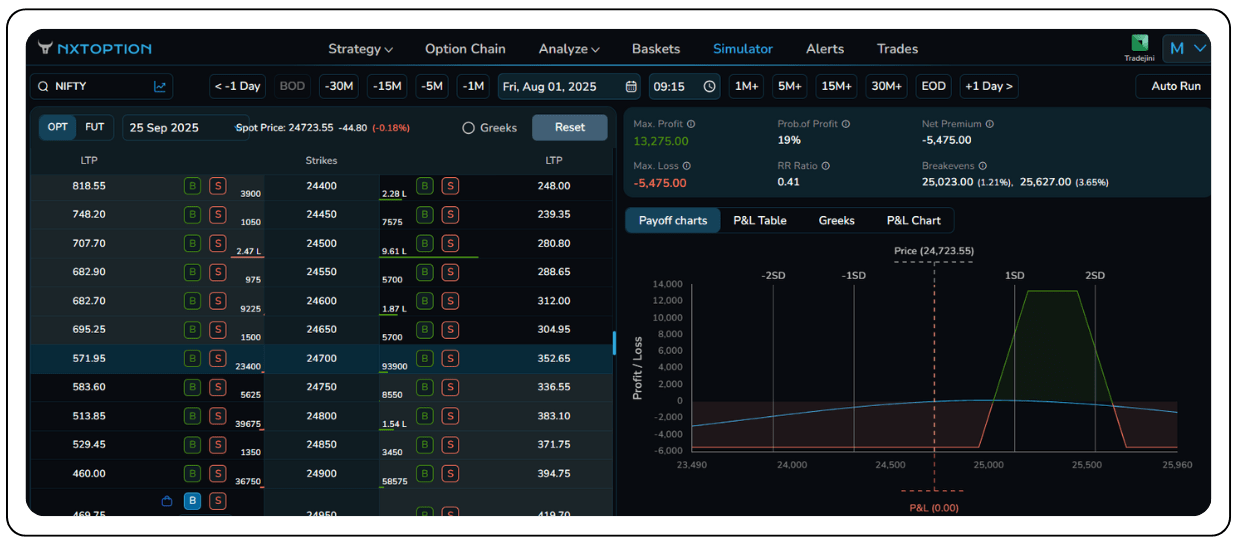
Modern options trading requires sophisticated tools for margin requirement calculations, risk management, and strategy implementation. Most brokers provide margin calculators that help options traders determine exact capital needs before entering positions. These tools consider SPAN margin, exposure margin, and total margin required for various strategies.
Continuous Education and Skill Development
Continuous learning remains essential for successful option selling. Options traders must stay updated on regulatory requirements, market dynamics, and evolving risk management strategies. Regular review of trading performance, strategy effectiveness, and capital allocation decisions helps improve long-term results.
Market Analysis and Research
Successful option selling requires comprehensive market analysis combining technical and fundamental approaches. Options traders must understand underlying asset behavior, market trends, and changing market conditions that affect option pricing and risk profiles.
Also read: Sky Gold capturing market opportunities in jewelry
Regulatory Compliance and Recent Changes
SEBI Regulations Impact
Recent SEBI regulations have significantly altered the options trading landscape in India. The implementation of upfront premium collection, increased lot sizes, and enhanced margin requirements has created a more capital-intensive environment for option sellers. Options traders must understand these changes to ensure compliance and adequate capital preparation.
Position Limits and Monitoring
SEBI has implemented intraday monitoring of position limits, with client limits set at 5% of total derivative contracts and broker limits at 15%. Starting April 2025, these limits will be monitored multiple times throughout the trading day, requiring options traders to maintain better position awareness and capital management.
Conclusion: Building a Sustainable Option Selling Approach
The capital required for option selling has increased substantially under current regulatory requirements and market conditions. Successful options traders need between ₹1-1.5 lakhs per lot for index options trading, along with comprehensive risk management strategies and continuous education.
Options traders should focus on effective risk management, proper capital allocation, and continuous learning to build sustainable trading careers. Starting with paper trading, implementing strict risk management protocols, and maintaining adequate capital reserves are essential for long-term success in option selling.
The combination of increased capital requirements, sophisticated risk management strategies, and ongoing market education creates the foundation for successful option selling. Options traders who respect these requirements and implement effective risk management can potentially achieve consistent returns while managing the inherent risks of options trading.
Whether pursuing consistent profits or portfolio hedging, understanding the true capital required for option selling and implementing appropriate risk management strategies remains crucial for success in today's options trading environment. Through continuous education, paper trading practice, and disciplined capital management, options traders can navigate the complexities of selling options while working toward their financial objectives.
Turn research into action and explore smarter investing opportunities with CubePlus.
Disclaimer: The information provided in our blogs is for informational purposes only and should not be construed as financial, investment, or trading advice. Trading and investing in the securities market carries risk. Always conduct your own research and consult with a qualified financial advisor before making any investment decisions. Past performance is not indicative of future results. Copyrighted and original content for your trading and investing needs.
© 2025 — Tradejini. All Rights Reserved.
.webp%3Falt%3Dmedia%26token%3D0ead9799-20bc-4d1e-ae8f-d75ab18921b5&w=3840&q=75)