Most people believe mutual fund investing is all about choosing the best-performing fund. They chase high returns, switch schemes frequently, and panic whenever markets fall. But long-term mutual fund success has much more to do with investor behaviour than fund selection. To understand this, we can look at two remarkable thinkers whose philosophies have shaped generations of investors Charlie Munger and Warren Buffett. Though their styles differ, together they reveal timeless principles that matter deeply for mutual fund investors.
Charlie Munger: The Power of Rationality, Simplicity, and Clear Decision-Making
Charlie Munger, Buffett’s long-time partner and one of the wisest investors ever, believed that wealth doesn’t come from chasing excitement or complexity. Instead, it comes from being rational, avoiding stupidity, and sticking to simple ideas executed well. Munger emphasized that most financial mistakes happen not because people lack intelligence, but because they let emotions, overconfidence, and constant action get in the way of good decisions.
Munger’s philosophy teaches that you don’t need 60% annual returns to become wealthy. You simply need to avoid harmful behaviour, stay consistent, and choose investments you truly understand. He believed that the big money is not in buying or selling but in waiting. This mindset is deeply relevant to mutual fund investing, where long-term discipline matters far more than chasing top-performing funds every year. Charlie Munger achieved an impressive annual compounded return of around 19.8%, while the Dow Jones averaged only about 5% annually.
Warren Buffett: The Power of Time, Discipline & Long-Term Compounding
Warren Buffett’s investing style beautifully complements Munger’s thinking. While Munger focused on rationality and simplicity, Buffett focused on patience and the power of compounding. Buffett’s average annual returns of roughly 22% are impressive, but the real secret behind his extraordinary wealth is the sheer length of time he has stayed invested. Buffett started investing at age 10 and continued for over 80 years.
Most people are surprised to learn that over 99% of Buffett’s wealth was created after he turned 50, and more than 95% after the age of 60. This wasn’t because he became a better investor later in life. It happened because compounding grows slowly at first and then expands explosively after decades. Buffett’s biggest advantage was not intelligence, it was time.
For mutual fund investors, this is the core lesson: long-term compounding is more powerful than short-term performance.
Also Read: The Importance of Regular Mutual Fund Portfolio Reviews
What This Means for Mutual Fund Investors
Mutual fund investors often behave emotionally. They switch schemes frequently, react to market fluctuations, and chase the latest “best-performing” funds. But Munger would call this behaviour unnecessary and harmful, and Buffett would show that such short-term thinking prevents compounding from working.
Mutual funds reward consistency more than brilliance. You don’t need to analyze every market move or hunt for the highest return. You simply need a long-term mindset, steady SIP contributions, and the discipline to let your investments grow without interruption. A reasonable 12–15% annual return held for 25–30 years creates more wealth than chasing higher returns for shorter periods. Buffett and Munger together teach that investor behaviour, not intelligence or complexity, is what drives true wealth-building.
Power of SIPs: Compounding in Action
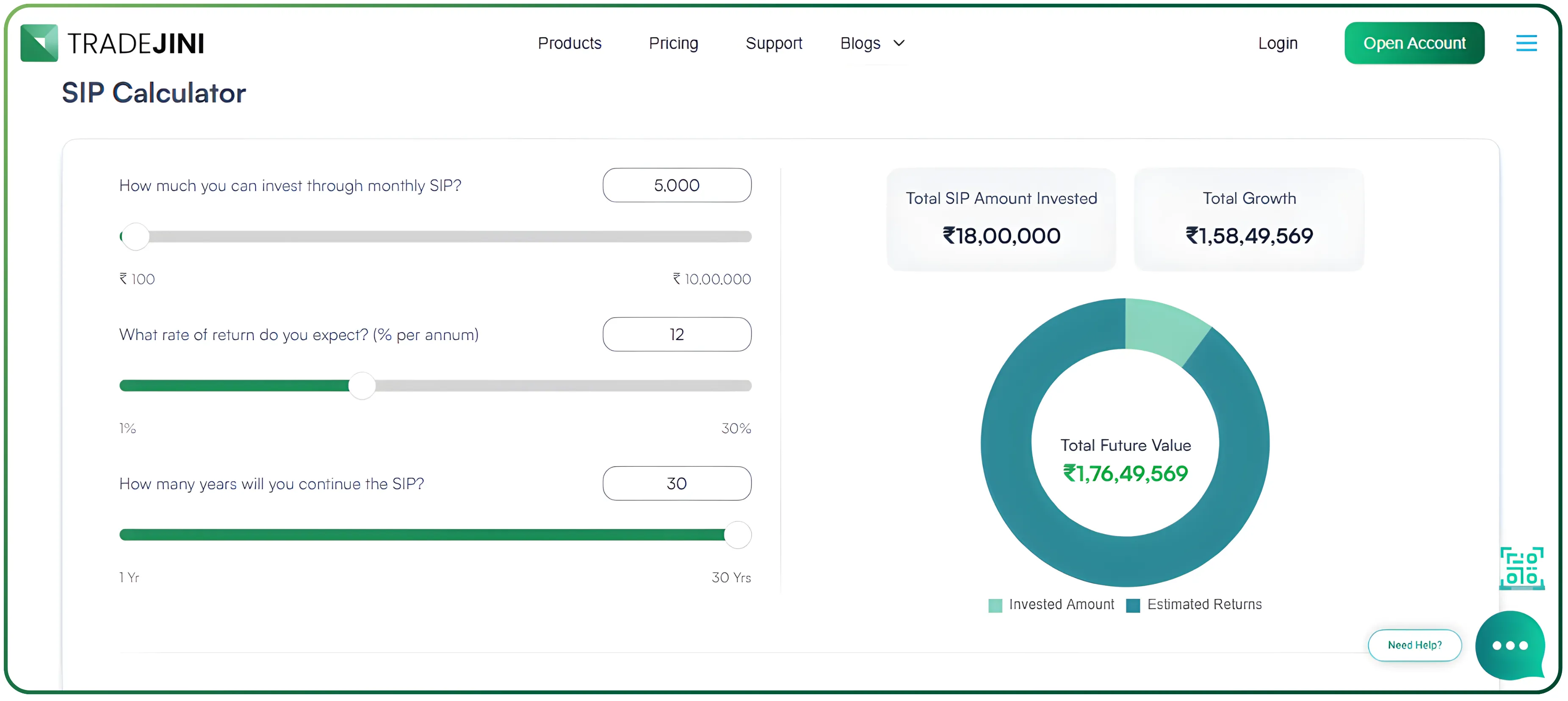
The true strength of mutual funds lies in SIPs. When you invest consistently over long periods, even moderate returns create massive wealth. For example, a ₹5,000 monthly SIP at 12% for 30 years grows into roughly ₹1.76 crore. But if someone starts late and aims for higher returns, say an 18% return for only 15 years, the final amount is only about ₹33 lakh. This dramatic difference shows that time, not return percentage, is the real wealth creator.
This is exactly what Buffett practiced and Munger preached. The earlier you start and the longer you stay invested, the more your money snowballs.
The Biggest Mutual Fund Mistake: Switching Funds Too Often
Charlie Munger often said, “The first rule of compounding is to never interrupt it unnecessarily.” Yet many mutual fund investors do exactly that by switching funds repeatedly. Whether it’s fear, excitement, or short-term performance chasing, frequent switching breaks the compounding engine. It leads to exit loads, taxes, and lost time in the market quietly damaging long-term wealth.
Mutual funds are designed for patience, not frequent movement. Stability, discipline, and calm decision-making qualities Munger preached help investors stay on course and allow compounding to do its work based on short-term performance.
Which Strategy Should You Follow?
Charlie Munger teaches you how to think rationally, simplify decisions, and avoid damaging behaviour. Warren Buffett teaches you how to stay invested for decades and let compounding create extraordinary results. Together, they form the perfect foundation for successful mutual fund investing.
You don’t need to be a financial genius to build wealth through mutual funds. You simply need Munger’s clarity and Buffett’s patience. This combination beats market timing, fund switching, and chasing high returns every single time.
Key Takeaways
Compounding is the greatest wealth-building tool, and it becomes powerful only when investments are held for long periods just like Buffett demonstrated through decades of patience.
Charlie Munger’s approach proves that rationality, simplicity, and avoiding emotional decisions matter more than complexity or constant action in investing.
Switching mutual funds frequently damages compounding, leading to exit loads, taxes, and lost growth potential staying invested is far more rewarding.
SIPs are the ideal way to harness compounding, as consistent contributions over long periods generate significant wealth even with moderate returns.
You don’t need extraordinary intelligence to succeed with mutual funds, you need discipline, consistency, and the right behaviour, inspired by Munger and Buffett.
Start yours with smart investing on CubePlus and take control of your financial goals. Click here to sign up
Disclaimer: The information provided in our blogs is for informational purposes only and should not be construed as financial, investment, or trading advice. Trading and investing in the securities market carries risk. Always conduct your own research and consult with a qualified financial advisor before making any investment decisions. Past performance is not indicative of future results. Copyrighted and original content for your trading and investing needs.
© 2025 — Tradejini. All Rights Reserved.