

Most investors enter the market with the intention of buying low and selling high. But what if you want to make a profit from falling prices? That’s where short selling comes into play. In simple terms, short selling means you sell first and buy later, hoping that the price of a stock or index falls in the meantime.
But it raises a question: how can you sell something you don’t even own? The answer lies in two strategies, naked short and hedged short.
Naked Short Selling
In a naked short, you sell a stock you don’t own with the intention of buying it back later the same day. This is allowed only for retail traders on an intraday basis in the cash market. Institutional investors in India are not permitted to short-sell in this manner.)
For instance, suppose Moksh believes that Infosys shares, currently at ₹1,537 (as of August 25, 2025), might slip by the afternoon. He places a naked short order and sells 50 shares. If by market close, the stock falls to ₹1,520, Moksh buys them back and pockets a neat profit.
However, if the price rises instead, he has no choice but to square off his position at a loss before the trading day ends. In India, overnight naked shorts are not allowed in the spot market.
Short Selling in Derivatives
When it comes to Futures & Options (F&O), the rules are different. Traders can hold short positions overnight since F&O contracts have weekly or monthly expiries.
For example, suppose Bhavana shorts a futures contract of Reliance Industries in mid-September. If the contract expires at the end of the month, she can hold her short till expiry or roll it over to the next series if she expects further downside.
Another route is via the Stock Lending and Borrowing Mechanism (SLBM), where traders borrow shares, sell them in the market, and later return them after buying at a lower price. While this enables positional shorting in equities, the borrower must pay a lending fee.

What is Hedging?
Before diving into hedged shorts, let’s understand hedging. Hedging simply means reducing risk against adverse price movements. A familiar example is car insurance, you pay a premium so that if your car meets with an accident, the insurer compensates you. You don’t eliminate the risk, but you soften the financial blow.
Read in detail on Short Selling: Short Selling In Stock Market
Hedged Short
A hedged short is when you protect your short position by simultaneously taking another position to offset potential losses.
Let’s say Rohan has shorted HDFC Bank futures expecting a correction. A week later, positive banking sector news emerges, and Rohan worries the stock may bounce. To safeguard himself, he buys a call option on HDFC Bank.
If the stock rises, his futures short will bleed, but the call option will gain, cushioning his portfolio.
If the stock falls as expected, his short will be profitable, while the call option premium may erode.
Either way, Rohan manages risk by hedging.
Why Choose Hedged Shorts Over Naked Shorts?
Naked shorts can be tempting because they require less capital and can yield quick gains. But they also carry unlimited risk, a stock’s price can keep rising, and losses can spiral.
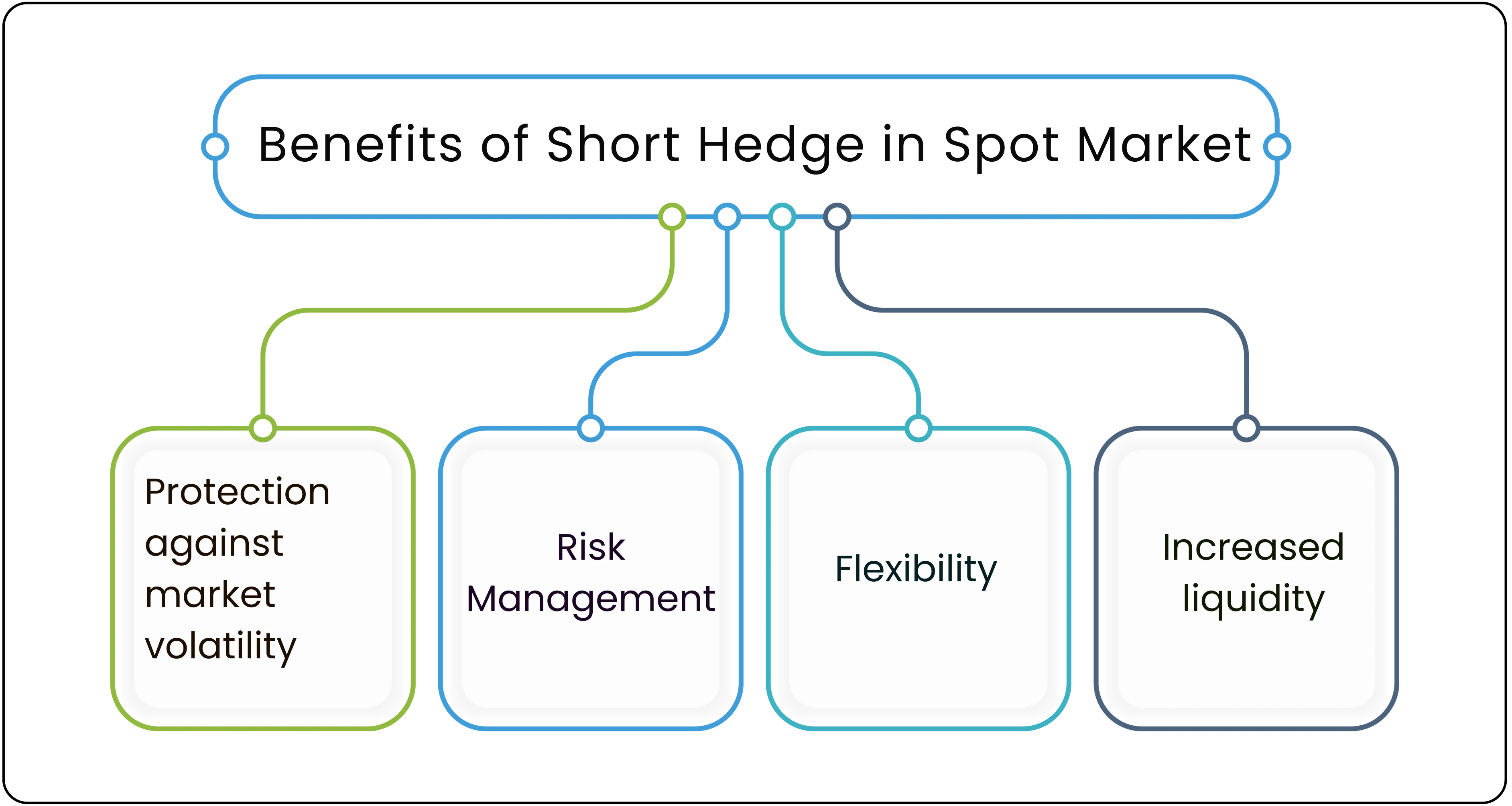
Hedged shorts, on the other hand, cap your losses by pairing the trade with a protective position. Of course, this comes at a cost:
Extra margin or premium payments
Higher brokerage charges
Slightly reduced returns
Most investors hear about shorting a stock but aren’t always clear on the short selling meaning. In simple terms, short selling in the stock market lets you profit when prices fall instead of rise. One form is naked short selling, where you sell shares without owning them, planning to buy back later at a lower price. To define naked short selling in an Indian context, it’s allowed only intraday for retail traders, while institutional investors cannot take a naked short position in the cash market. This kind of short and naked trade is riskier because losses can spiral if the stock rises. Traders often look up naked short selling meaning, naked short selling definition, or even naked in stocks to understand the concept better. While short trading stocks may look attractive, it’s important to grasp the meaning of shorting in trading and the risks of holding a naked short interest before you jump in.
To sum up………
Short selling is a powerful tool, but without proper risk management, it can be dangerous. If you are new to it, start small and understand the mechanics before taking larger bets.
Start your trading journey on CubePlus now.
Disclaimer: The information provided in our blogs is for informational purposes only and should not be construed as financial, investment, or trading advice. Trading and investing in the securities market carries risk. Always conduct your own research and consult with a qualified financial advisor before making any investment decisions. Past performance is not indicative of future results. Copyrighted and original content for your trading and investing needs.
© 2025 — Tradejini. All Rights Reserved.


