Investing in mutual funds is a powerful way to grow your wealth, but choosing between a Systematic Investment Plan (SIP) and a lump-sum investment can be tricky. Both strategies have unique benefits and suit different financial situations, goals, and risk appetites. Here’s a straightforward guide to help you decide which approach is better for you in 2025.
Understanding SIP vs Lump Sume investments
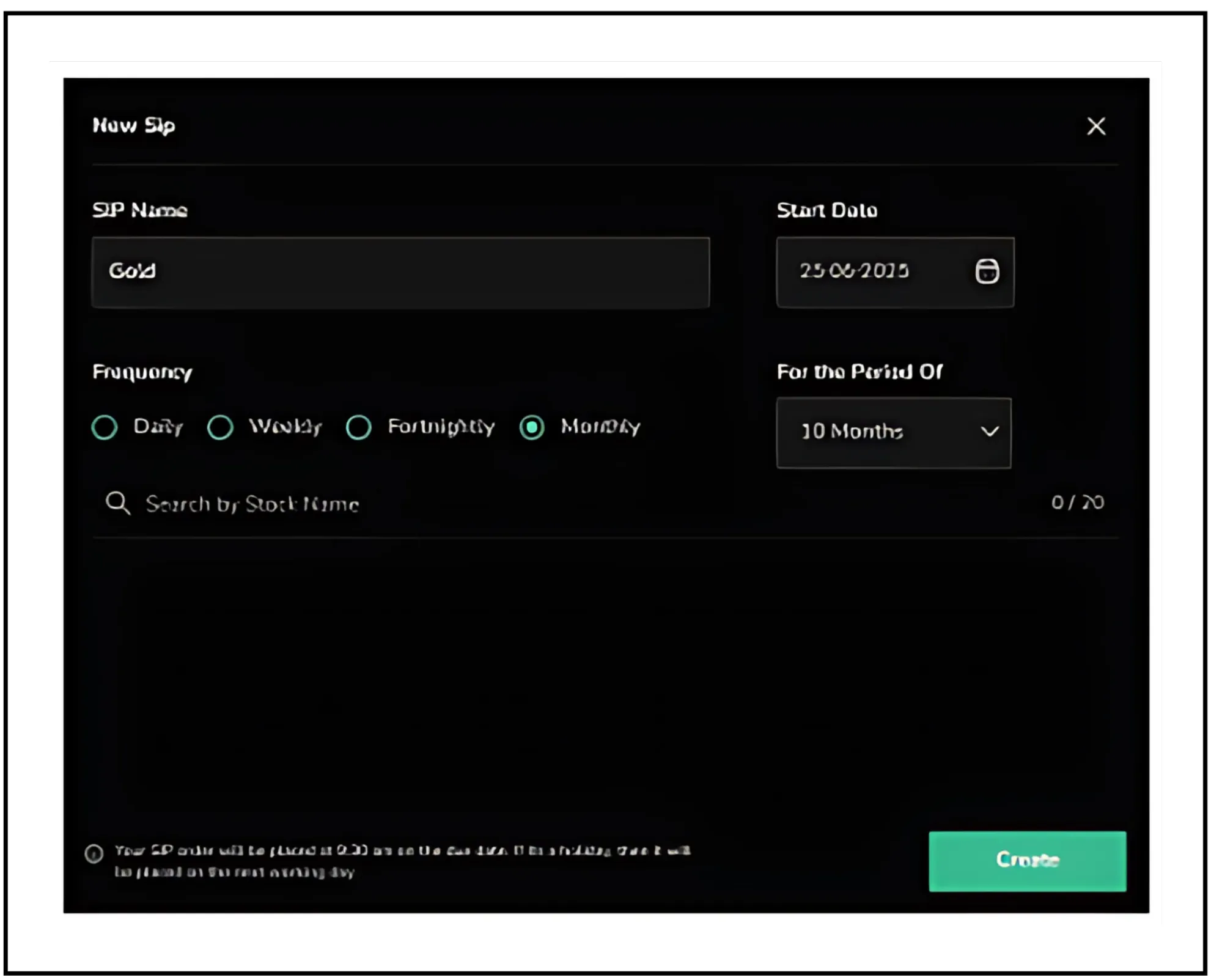
- SIP (Systematic Investment Plan): This involves investing a fixed amount regularly (monthly, quarterly, or even weekly) into a mutual fund. SIP investment is a popular investment option for those seeking disciplined, fixed investments, as it typically involves automatic deductions from your bank account to ensure consistent contributions. It’s like paying EMIs, allowing you to build wealth gradually with as little as ₹100 per month. SIPs promote discipline and leverage rupee cost averaging to smooth out market volatility.
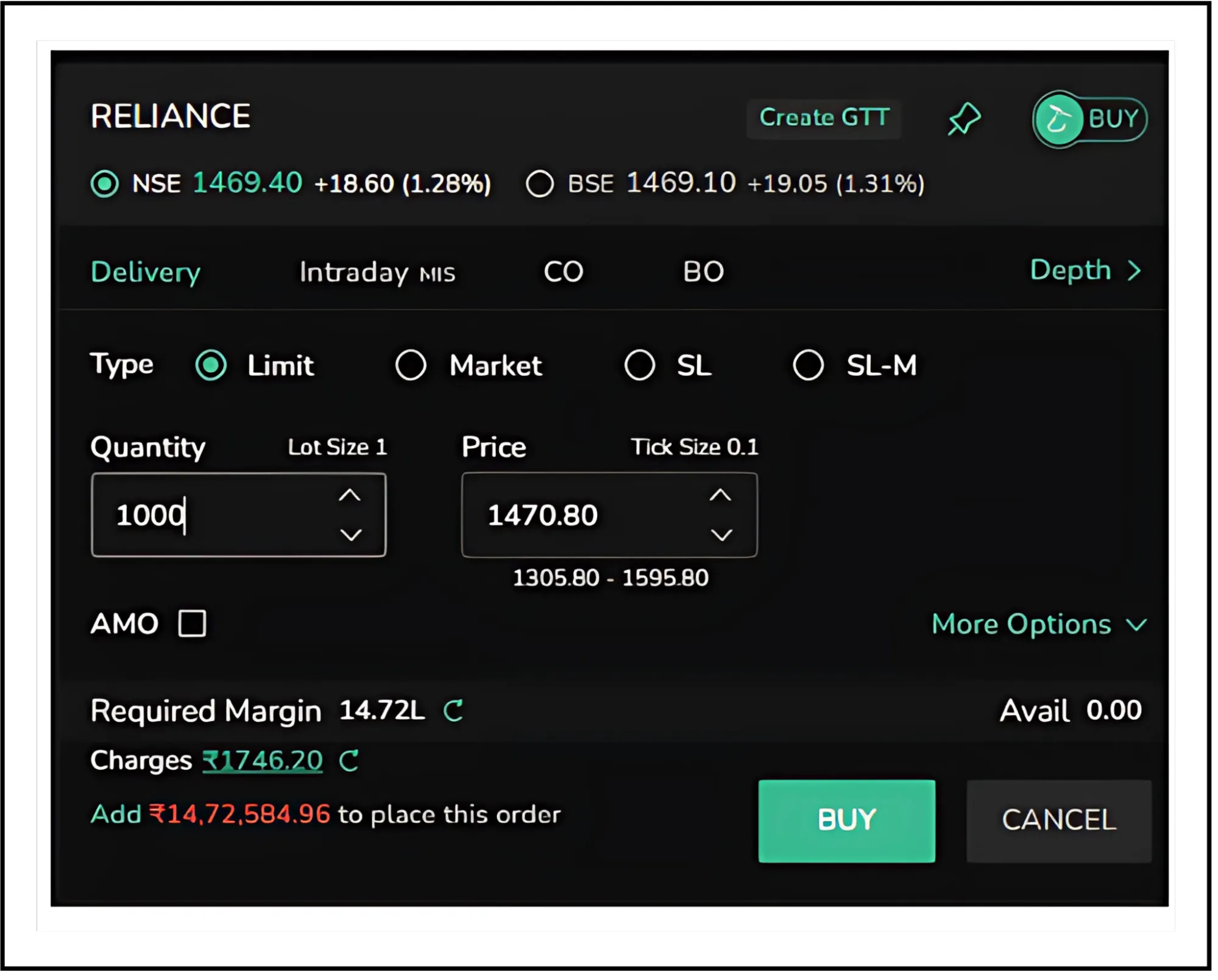
- Lump-Sum Investment: This is a one-time lump-sum investment where you put a large sum into a mutual fund all at once. It’s ideal if you have a significant amount, like a bonus or inheritance, and want to deploy it immediately for potential market gains.
Both SIP and lump-sum investment are key investment strategies, and choosing the right investment option depends on your individual financial goals and preferences.
Key differences between SIP and Lump-Sum
1. Investment amount and frequency
SIP: You invest smaller, fixed amounts at regular intervals, making it accessible for those with limited funds or steady income. This approach involves periodic investments, allowing investors to benefit from phased investments over time. For example, ₹500 monthly is doable for most salaried individuals.
Lump-Sum: Requires a large upfront investment, often ₹1,000 or more, which suits those with surplus cash. The entire amount is invested at once, making it more sensitive to the chosen investment period and market conditions.
2. Market timing
SIP: No need to time the market. By spreading investments over time, you buy more units when prices are low and fewer when prices are high, reducing the average cost per unit (rupee cost averaging). Phased investments like SIPs can help mitigate the risks of market timing, which is a key consideration in the sip vs lumpsum debate.
Lump Sum: Timing is critical. Investing during a market low can lead to higher returns, but a poorly timed investment during a peak can result in losses. Lump-sum investments often require predicting market trends and understanding the current market cycle to optimise returns.
3. Risk exposure
SIP: Lower risk due to staggered investments across market cycles. SIPs help mutual fund investors navigate market fluctuations and short-term market fluctuations, reducing the impact of sudden market drops, making it ideal for risk-averse investors.
Lump-Sum: Higher risk, as the entire amount is exposed to market fluctuations at once. Lump-sum investments are more sensitive to the market cycle and require predicting market trends, which can increase risk if the timing is not optimal. It’s better for those comfortable with volatility.
4. Compounding benefits
SIP: Regular investments amplify the power of compounding over time, as returns on each contribution generate further gains. For instance, a ₹500 monthly SIP at a 12% annual return could grow to around ₹1.3 lakh in 10 years. The investment period significantly impacts the growth of both SIP and lump-sum investments, with longer periods generally leading to greater wealth accumulation.
Lump-Sum: Compounding starts immediately on the full amount, potentially leading to higher returns if invested during a favourable market, but the fixed principal limits ongoing contributions. The length of the investment period is crucial in determining the maturity amount for lump-sum investments.
5. Financial discipline
SIP: Encourages a habit of regular saving and investing, automating deductions to keep you consistent. SIPs foster investment discipline, as investors commit to regular, periodic investments, which can help achieve long-term investment goals.
Lump-Sum: Requires no ongoing commitment, which may not foster the same level of discipline.
6. Entry barrier
SIP: Low entry point (as little as ₹100), perfect for beginners or those with limited capital.
Lump-Sum: Requires a substantial amount, which may not be feasible for everyone.
Also read: Investing in Precious Metals Through ETFs in India
Financial discipline and cost averaging
Building financial discipline is one of the most valuable habits for successful investing, and systematic investment plans (SIPs) are designed to foster this discipline. By committing to invest a fixed amount at regular intervals, SIP investors develop a habit of consistent saving and investing, regardless of market conditions. This approach not only encourages regular contributions to a mutual fund scheme but also helps investors navigate market volatility with confidence.
A key advantage of SIPs is rupee cost averaging. When you invest through a systematic investment plan, your fixed amount buys more mutual fund units when prices are low and fewer units when prices are high. Over time, this strategy lowers the average cost per unit, helping to smooth out the impact of market ups and downs. This cost-averaging effect can be especially beneficial during periods of market volatility, reducing the risk of making a large investment at an unfavourable time.
On the other hand, lump sum investments require you to invest a substantial amount of capital all at once. While this bulk investment can potentially yield higher returns if market conditions are favourable, it does not offer the same benefits of spreading investments or cost averaging. Lump-sum investing may suit those with a higher risk tolerance and the ability to time their entry into the market, but it lacks the built-in financial discipline that systematic investment plans provide.
In summary, SIPs promote disciplined investing and help manage market risks through cost averaging, while lump sum investments may be better suited for investors with significant funds and a higher appetite for risk.
Power of compounding
The power of compounding is a cornerstone of long-term wealth creation, and systematic investment plans (SIPs) are particularly effective at harnessing this force. With SIPs, your regular investments in mutual funds not only earn returns, but those returns themselves begin to generate additional earnings over time. This compounding effect accelerates the growth of your investment corpus, especially when you start investing early and remain consistent.
For example, if you invest ₹5,000 per month in a mutual fund through a systematic investment plan and achieve an average annual return of 12%, your investment could grow to nearly ₹50 lakh over 20 years. This exponential growth is possible because each contribution has more time to compound, and the returns are reinvested to generate further gains.
Lump sum investments also benefit from compounding, as the entire investment amount starts working for you from day one. However, the impact of market fluctuations can be more pronounced with lumpsum investing, especially if the investment is made during a market peak. To maximize the benefits of compounding, it is crucial to adopt an investment strategy that aligns with your goals and risk profile, whether you choose systematic investment or lump sum.
Ultimately, the key to unlocking the power of compounding is to start investing as early as possible, stay invested for the long term, and allow your money to grow uninterrupted.
Entry barrier and investment amount
One of the main advantages of systematic investment plans (SIPs) is their low entry barrier, making mutual fund investments accessible to a wide range of investors. Most mutual fund houses allow you to start a SIP with as little as ₹100 or ₹500, enabling even those with modest savings to participate in the securities market. This flexibility makes SIPs an attractive option for new investors, young professionals, or anyone looking to build wealth gradually through systematic investment plans.
In contrast, lump sum investments typically require a larger initial outlay, which can be a hurdle for those without substantial capital. While lump sum investing can be effective for individuals who have accumulated surplus funds or received a windfall, it may not be suitable for everyone, especially those with limited resources or a lower risk tolerance.
When deciding between SIPs and lump sum investments, consider your available investment amount, financial goals, and comfort with market conditions. SIPs offer the advantage of starting small and increasing your investment over time, while lump sum investments are best suited for those who can commit a significant amount upfront and are prepared to handle market volatility.
Type of fund and asset class
Choosing the right type of mutual fund scheme and asset class is essential when deciding between systematic investment plans (SIPs) and lump sum investments. SIPs provide the flexibility to invest in a variety of mutual fund schemes, including equity funds for growth, debt funds for stability, and hybrid funds for a balanced approach. This allows investors to diversify across asset classes and tailor their portfolios to their risk tolerance and financial goals.
Lumpsum investments can also be allocated to different asset classes, but the timing of the investment and prevailing market conditions play a more significant role in determining potential returns. For example, investing a lump sum in equity funds during a market downturn can be advantageous, but it also carries higher market timing risks.
When selecting a mutual fund scheme for your SIP or lump sum investment, consider factors such as your investment horizon, risk appetite, and market outlook. Diversifying across asset classes can help manage risk and enhance the potential for long-term wealth creation, regardless of whether you choose systematic investment plans or lump sum investments.
By aligning your investment strategy with the right mutual fund schemes and asset classes, you can better navigate different market phases and work towards achieving your financial objectives.
When to choose SIP for rupee cost averaging
You have a steady income: SIP investments are particularly suitable for those seeking regular, disciplined investing and long-term wealth creation. SIPs are ideal for salaried individuals or those with regular cash flow, allowing small, manageable investments.
You’re risk-averse: SIPs reduce risk through rupee cost averaging, making them suitable for conservative investors or those new to mutual funds.
You have long-term goals: Whether it’s retirement, a child’s education, or wealth creation, SIPs shine over 5-10 years or more, leveraging compounding and market cycles.
You want simplicity: No need to track market trends closely; set up an SIP and let it run.
When to choose Lump-Sum
You have surplus funds: If you’ve received a bonus, inheritance, or windfall, a lump-sum investment lets you put it to work immediately.
You’re confident in market timing: Lumpsum investments can yield higher returns in a rising market, especially during a recovery after a dip. Lumpsum investments can be particularly effective during favourable market conditions, allowing you to maximize growth potential.
You have a higher risk tolerance: If you’re comfortable with market volatility and have a long-term horizon, a lump-sum investment can capitalize on immediate market exposure. Lumpsum investments are also commonly used for purchasing fixed deposits, which require a one-time payment at the start of the investment period.
You’re targeting short- to medium-term goals: Lumpsum investments can be effective for goals like buying a car or funding a vacation in a few years. Lumpsum investments are suitable for achieving specific financial goals, especially when you have a clear objective and a long-term horizon.
Combining both strategies
Many investors use a combination of sip and lumpsum investments to balance risk and growth. You don’t always have to choose one over the other. If you have a large sum but want to mitigate risk, consider investing part of it as a lump-sum and starting an SIP with the rest. Alternatively, use a Systematic Transfer Plan (STP), an example of blending sip and lumpsum strategies, to park your lump-sum in a low-risk debt fund and gradually transfer it to an equity fund, balancing risk and growth.
Tips for success in 2025
Define Your Goals: Are you saving for a house in 10 years or a vacation in 3? Long-term goals favour SIPs, while lump sums suit shorter horizons with favourable market conditions. Aligning your investment decisions with your goals and risk profile is essential.
Assess Risk Tolerance: Conservative investors should lean toward SIPs, while risk-takers might explore lump-sum during market lows.
Use Calculators: Tools like Tradejini’s SIP or lump-sum calculators can estimate returns based on your investment amount, tenure, and expected rate, helping you plan smarter and make informed investment decisions.
Diversify: Whether choosing SIP or lump-sum, spread your investments across equity, debt, or hybrid funds to reduce risk.
Stay Disciplined: For SIPs, stick to regular contributions and increase amounts as your income grows. For lump-sum, avoid redeeming early to let compounding work.
Monitor Market Trends: While SIPs don’t require timing, lump-sum investors should watch for market dips to maximize returns.
Consult a Financial Advisor: Seeking guidance from a financial advisor can help tailor your investment decisions to your individual needs, goals, and risk tolerance, ensuring you make informed investment decisions.
Which is better in 2025?
There’s no one-size-fits-all answer. SIPs are ideal for most retail investors, especially beginners, salaried individuals, or those with limited funds, offering discipline, flexibility, and lower risk through rupee cost averaging. Lump-sum investments suit those with significant capital, a high risk appetite, and the ability to time market entries (e.g., during a correction). Your choice depends on your financial situation, goals, and comfort with risk. Understanding the stock market environment is crucial when deciding between SIP and lump-sum approaches, as market conditions can significantly impact returns. For a balanced approach, consider blending both strategies to optimize returns while managing risk. Start your investment journey today with platforms like TradeJini to guide your decisions.
Disclaimer: The information provided in our blogs is for informational purposes only and should not be construed as financial, investment, or trading advice. Trading and investing in the securities market carries risk. Always conduct your own research and consult with a qualified financial advisor before making any investment decisions. Past performance is not indicative of future results. Copyrighted and original content for your trading and investing needs.
©️ 2025 — Tradejini. All Rights Reserved.