In the volatile financial environment of 2026, financial risk management is imperative. The concept of an emergency fund has evolved from a simple savings habit into a critical component of risk management. For many professionals in India, particularly those navigating the uncertainties of the tech sector or the gig economy, this fund acts less like a piggy bank and more like a financial bedrock.
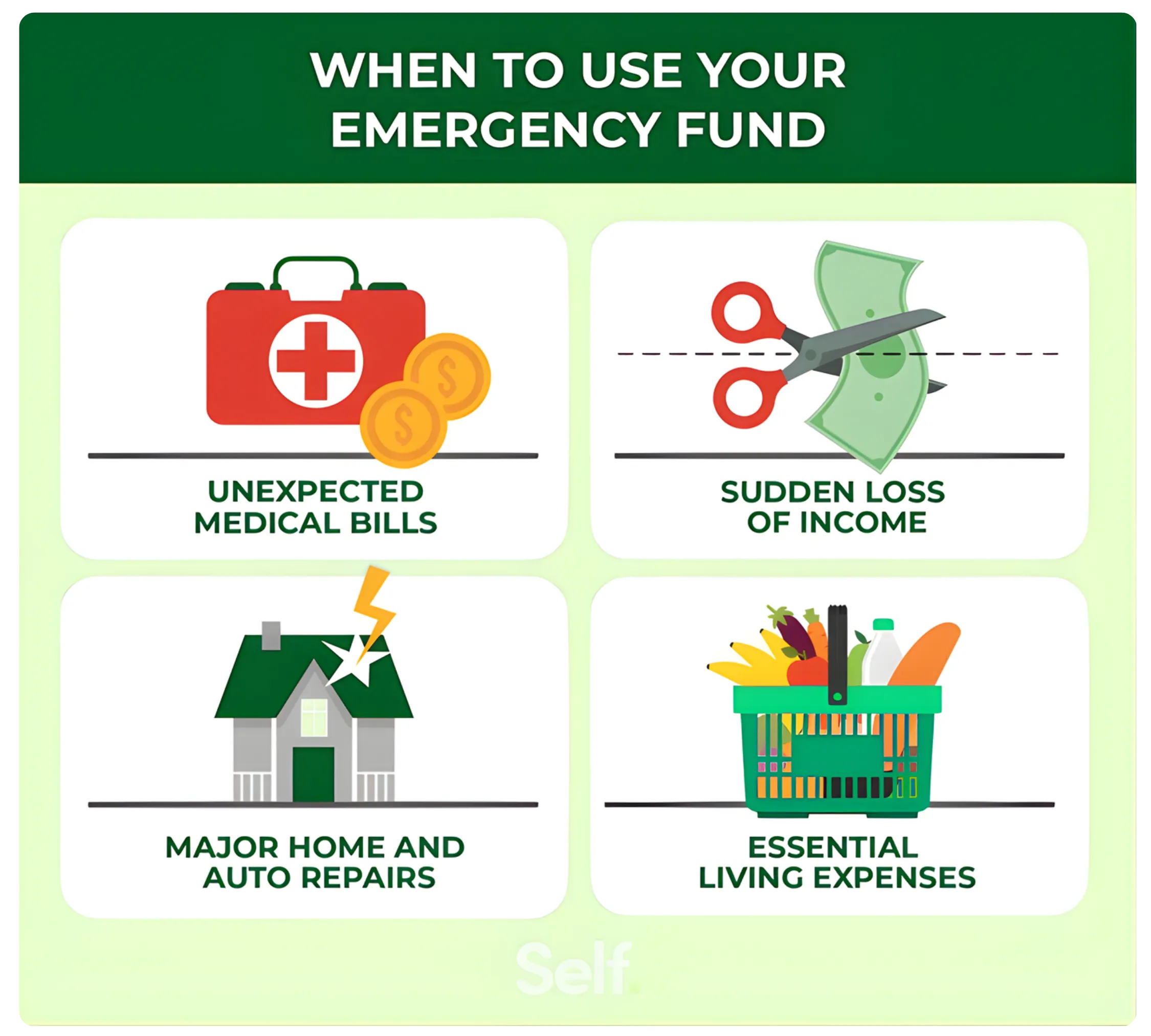
Unlike investment portfolios designed for wealth accumulation, an emergency fund serves a defensive purpose. It is a liquidity buffer designed to insulate your long-term goals from short-term shocks. Without this separation, a single unforeseen event, such as a medical crisis or a sudden layoff, can force the liquidation of compounding assets at the worst possible time, or worse, drive an individual toward high-interest credit debt.

The Context: Why Liquidity Matters Now
The argument for a robust emergency corpus is driven by the current macroeconomic reality. With medical inflation in India hovering around 11-12% annually, the cost of healthcare often outpaces standard insurance coverage. Furthermore, the modern job market has made income stability less predictable.
In this scenario, an emergency fund provides the agility to handle expenses without disrupting your financial trajectory. It prevents the need to rely on personal loans or credit cards, which, with interest rates ranging between 18% and 40%, can quickly erode years of savings.
Also read: https://www.tradejini.com/blogs/why-investor-returns-trail-fund-performance
Determining the Quantum
There is no universal number for an emergency fund; the size of the corpus should directly correlate to your personal risk exposure.
- For Salaried Professionals: If you are in a stable industry with a predictable income flow, financial prudence suggests maintaining a reserve equivalent to 6 to 9 months of essential living expenses.
- For Freelancers and Business Owners: If your income is variable or you operate in a high-volatility sector, the safety net needs to be wider, typically 12 to 24 months.
- The Calculation: This isn't about matching your current salary but covering your burn rate. You must calculate the sum of your non-negotiable monthly outflows—rent or EMIs, utilities, groceries, insurance premiums, and education fees. For a household with essential expenses of ₹50,000, a healthy reserve would range between ₹3 lakh and ₹6 lakh.
Also Read: https://www.tradejini.com/blogs/why-multiasset-funds-dominated-2025
Asset Allocation
The primary mandate of an emergency fund is liquidity, not high returns. The capital must be accessible within 24 to 48 hours without losing value. As of 2026, the Indian financial market offers a few prudent avenues for parking these funds:
- High-Yield Savings Accounts: These remain the first line of defense. With interest rates varying between 2.5% and 7%, depending on the bank and balance tier, they offer instant access with zero risk to the principal.
- Liquid Mutual Funds: For the portion of the fund not needed immediately, liquid mutual funds returns often range between 6-7%, and allow for redemption within one to two business days.
- Short-Term Fixed Deposits: These can be used to lock in interest rates for a portion of the fund, provided they can be broken prematurely with minimal penalties.
A common strategy is to layer these options: keep one month’s expenses in a savings account for immediate use, and park the remainder in liquid funds or sweep-in deposits to combat inflation.
Discipline in Execution
Building this fund requires a shift in cash-flow management. It involves treating the contribution to your emergency fund as a mandatory bill rather than a residual savings. This might mean redirecting bonuses, tax refunds, or a fixed percentage of monthly income until the target is met.
Crucially, this fund requires strict governance. It is not a purse for discretionary spending like vacations or upgrades. If the fund is utilized during a genuine crisis, the immediate financial priority shifts to rebuilding that buffer before resuming aggressive investments.
In essence, an emergency fund allows you to navigate the unpredictability of 2026 with confidence, ensuring that a temporary setback does not become a permanent financial scar.
Start your investing journey today by signing up for CubePlus.
Disclaimer: The information provided in our blogs is for informational purposes only and should not be construed as financial, investment, or trading advice. Trading and investing in the securities market carries risk. Always conduct your own research and consult with a qualified financial advisor before making any investment decisions. Past performance is not indicative of future results. Copyrighted and original content for your trading and investing needs.
© 2026 — Tradejini. All Rights Reserved.