

Margin expansion occurs when a company increases the proportion of profit it earns from each rupee of sales. Simply put, it means the company is becoming more efficient, earning more from the same level of revenue. This is different from just growing sales; it’s about profit margin growth, making each sale more profitable.
Some investment ideas are deceptively simple yet can change how we view businesses. Margin expansion is one of those. At first glance, it seems obvious: companies earning more per rupee of sales should deliver better returns. But hidden in this simplicity is a force that can turn ordinary investments into extraordinary wealth creators.
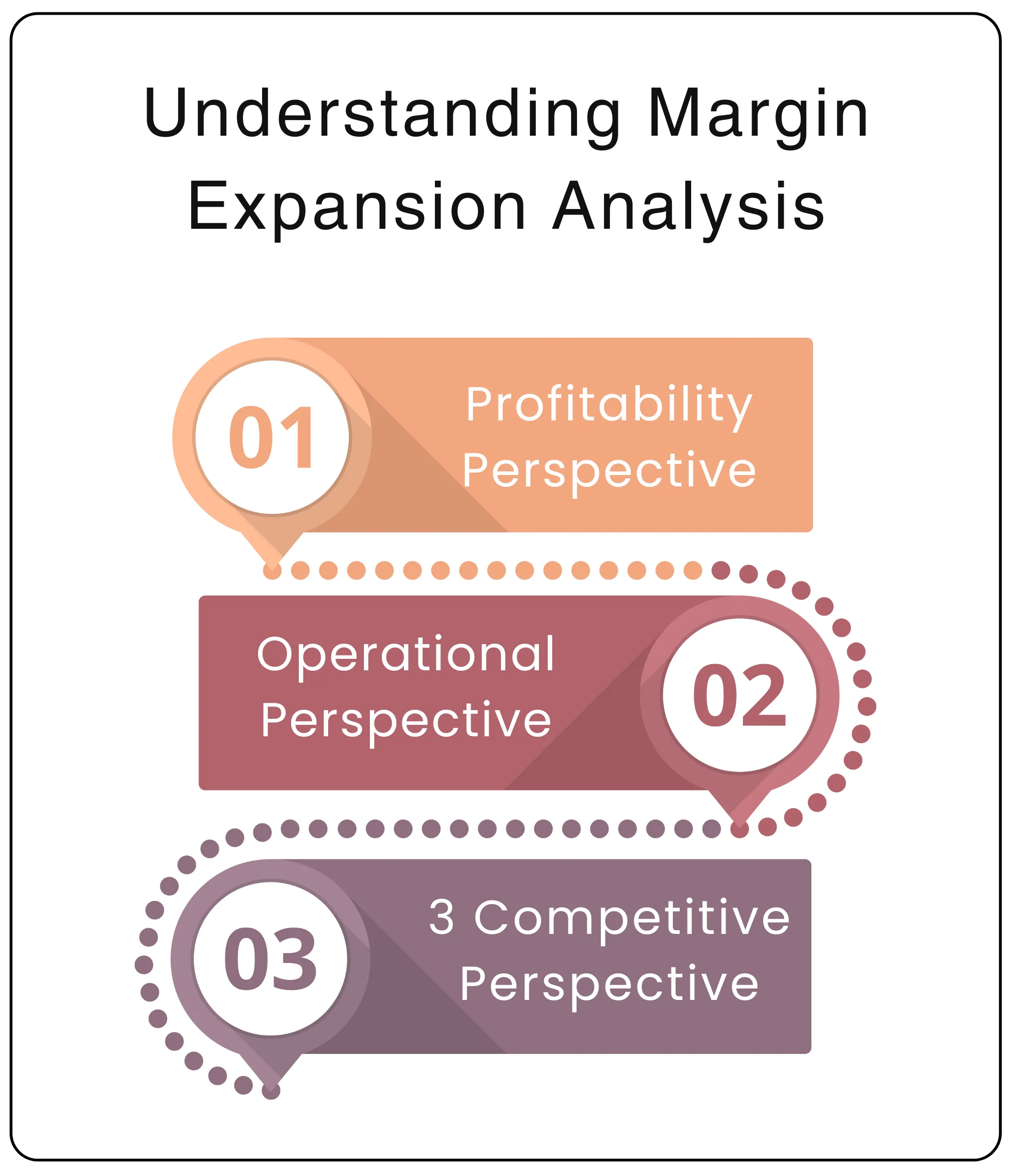
It’s easy to get comfortable with growth stories that follow industry trends that are steady, predictable, and acceptable. These are not bad investments. Yet markets reward the extraordinary disproportionately. When a company manages to lift margins sustainably, compounding accelerates. What once looked like a normal growth story can become unstoppable. Those who spot this inflexion point early can ride the wave for years.
Example:
Consider a consumer goods company that sells snacks. If it manages to reduce production costs through automation while maintaining sales prices, its profit margin increases. Suppose it earned ₹5 profit per ₹100 sales earlier, and now it earns ₹8 per ₹100 sales. Even if revenue growth is modest, this margin expansion example can dramatically boost overall profits over time.
Spot the trend before the crowd. Decode momentum using High Breakers and Low Breakers.
Why Margin Expansion Matters
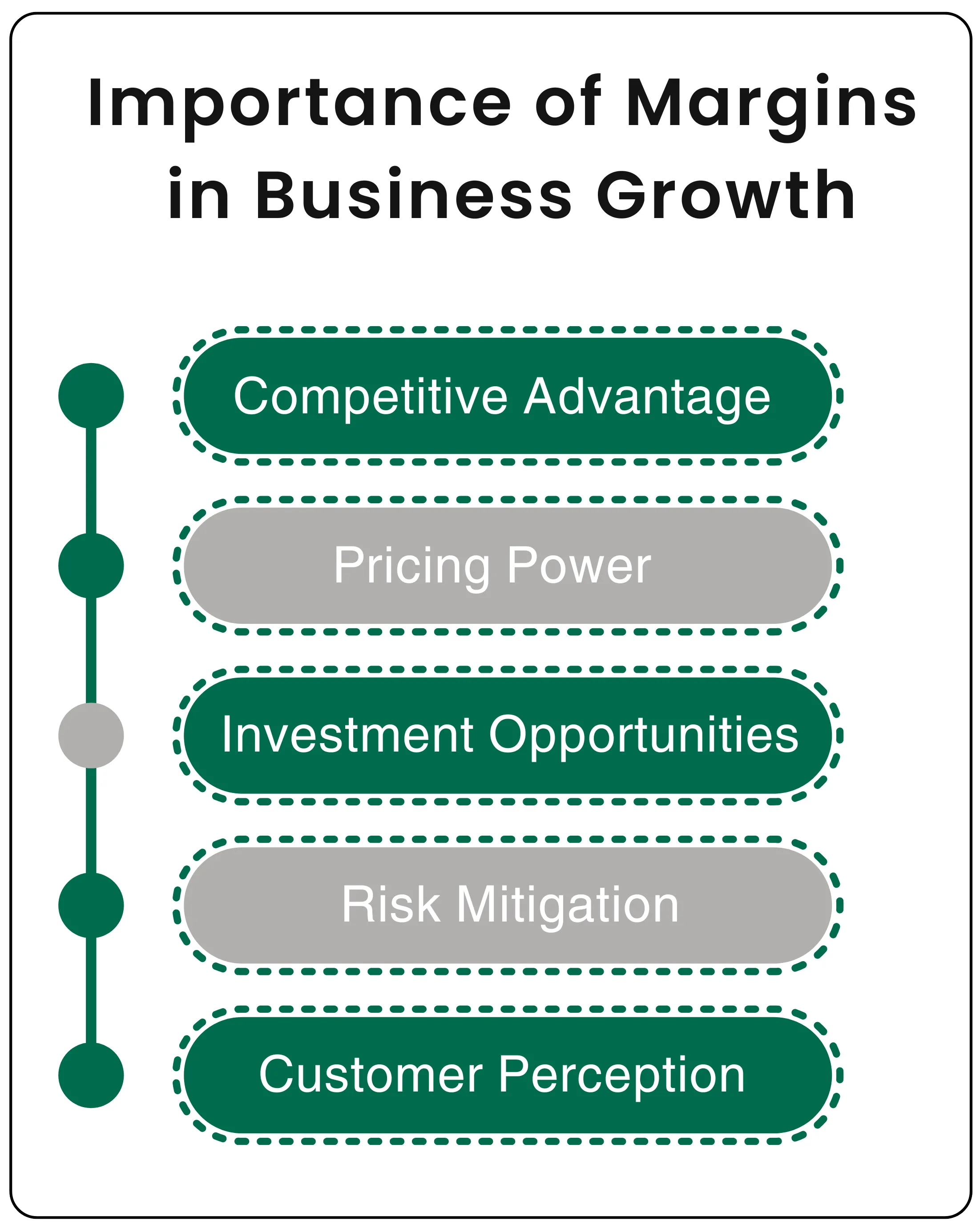
Rising margins usually reflect competitive advantage:
Product portfolio improvements
Scale-driven pricing power
Operational efficiencies competitors can’t match
Margins are more than accounting numbers, they signal a stronger market position and greater company efficiency.
India Example: Allied Blenders & Distillers (ABD)
FY24 margin: ~ 7.5 %
FY25 margin: ~ 12.5 %
Strategy: Invest in backward integration (owning more of raw-material production) + shift toward premium products (higher margin)
The idea: Reduce input cost risk, improve supply reliability, and push more of sales into higher margin buckets, all structural levers, not just short-term fixes.
Timing is Key
For investors, the challenge is in timing. Buy too early, and promises may never materialize. Buy too late, and the market may have already priced in the gains.
A common trap is confusing cyclical gains with structural improvement. Commodity cycles, temporary demand surges, or one-time cost savings can inflate margins temporarily. The real prize lies in businesses where margin growth comes from deliberate, sustainable actions: improving capital efficiency, repositioning, or building lasting pricing power.
Numbers alone rarely reveal the full story. By the time spreadsheets show higher margins, valuations may already reflect the upside. Spotting margin expansion requires a blend of filters, intuition, and curiosity.
The Investor’s Edge
Growth is widely available in markets like India. Many companies expand fast, but the quality of growth matters more than speed. Anyone can ride the current; few can swim ahead. Identifying margin expansion opportunities can be transformational.
Margin expansion stocks in India are now becoming central to modern investing strategies India, especially for those seeking sustainable growth investing opportunities. As operational efficiency investing improves across industries, stock market profitability rises, fueling compounding returns India is known for.
Ultimately, investing is about compounding. And compounding, as Einstein famously said, is one of the most powerful forces in the universe. Margin expansion is its fuel. Finding these businesses isn’t easy, but for patient, observant investors, the rewards can be extraordinary.
Behind every stock chart is a business story waiting to be decoded. Explore our Business Decoder to understand companies before you invest.
Disclaimer: The information provided in our blogs is for informational purposes only and should not be construed as financial, investment, or trading advice. Trading and investing in the securities market carries risk. Always conduct your own research and consult with a qualified financial advisor before making any investment decisions. Past performance is not indicative of future results. Copyrighted and original content for your trading and investing needs.
© 2025 — Tradejini. All Rights Reserved.
.webp%3Falt%3Dmedia%26token%3D0ead9799-20bc-4d1e-ae8f-d75ab18921b5&w=3840&q=75)