

Medical costs in India are rising quietly but steadily. A surgery that cost ₹2–3 lakh a few years ago can now easily cross ₹5–6 lakh in a private hospital. Even routine treatments, diagnostics, and follow-up visits add up. Many families realize this only when a medical emergency occurs. With rising medical expenses and increasing healthcare cost India, planning is no longer optional.
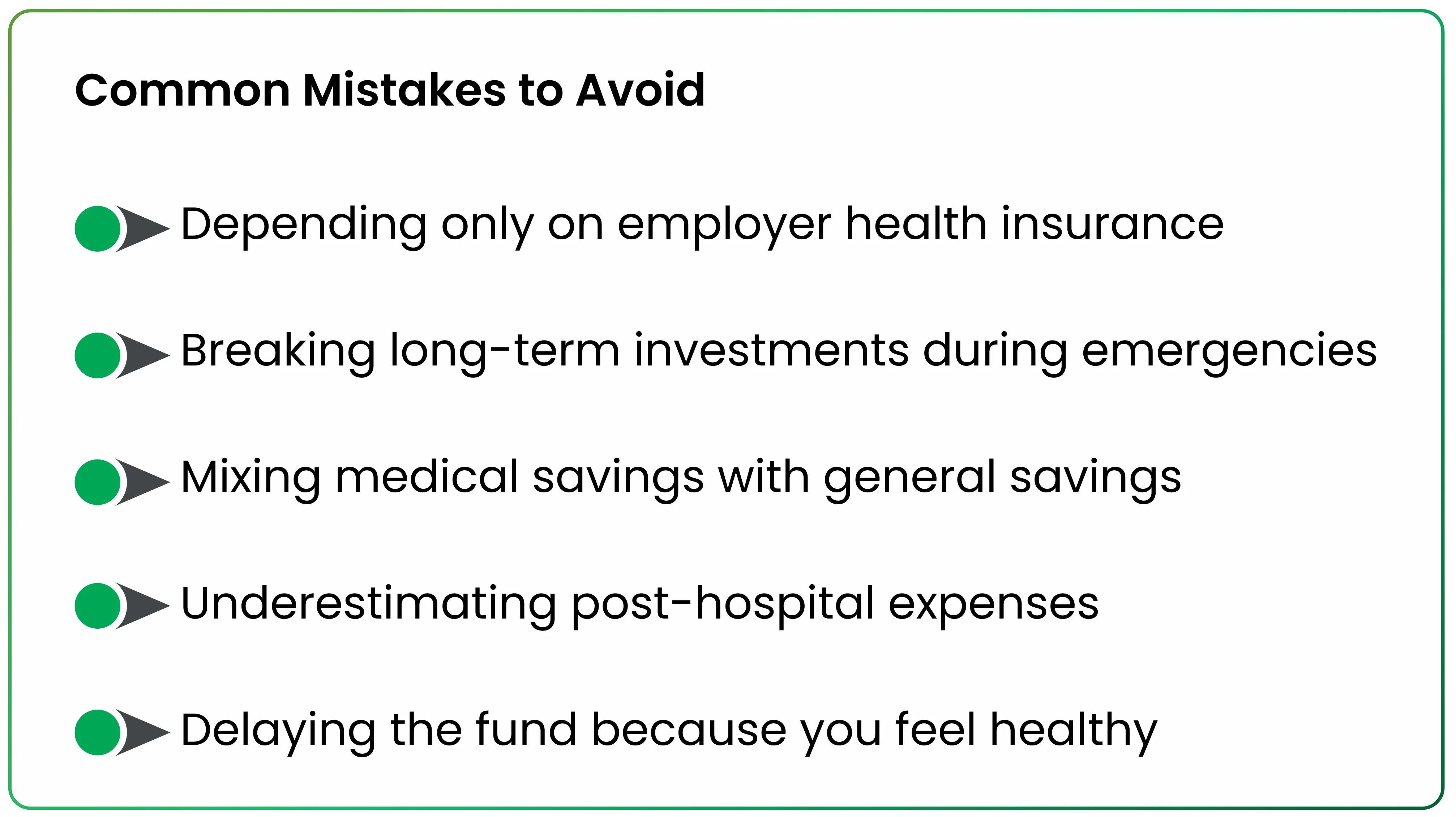
Most people rely entirely on health insurance. Insurance is important, but it does not always cover everything. There are room rent limits, exclusions, waiting periods, co-pay clauses, and sometimes claim delays. This creates a health insurance gap. The difference between the hospital bill and the claim settlement has to be paid from somewhere. These out of pocket medical costs can disturb savings if you are unprepared.
A medical contingency fund is simply money set aside only for health-related expenses. It is not your vacation fund. It is not your trading capital. It is not your general emergency fund. It is a dedicated buffer for medical needs.
Imagine this situation. You have a ₹10 lakh health insurance policy. A medical procedure costs ₹8.5 lakh. On paper, it looks fully covered. But after sub-limits and non-payable items, you end up paying ₹1.2 lakh from your own pocket. If you do not have liquidity, you may have to break investments or borrow. A proper hospital bill planning approach prevents that stress.
It also becomes useful in situations where elderly parents need treatment or when insurance does not cover certain therapies. Even post-hospital expenses like medicines, physiotherapy, and follow-up consultations can stretch your monthly budget. These ongoing costs are often ignored in health expense planning.
Also Read: The Strategic Importance of an Emergency Fund in the Economic Landscape of 2026
So how much should you keep aside?
There is no fixed number that suits everyone. The amount depends on your age, number of dependents, medical history, and insurance cover. A practical approach is to keep at least 20 to 25% of your health insurance cover as a buffer. If your family cover is ₹20 lakh, aiming for ₹4–5 lakh as a medical contingency fund can be reasonable.
For someone in their 30s, this amount can be built gradually through a disciplined medical fund investment plan. For example, if you want to accumulate ₹5 lakh in five years, investing around ₹6,000 to ₹7,000 per month through a disciplined plan can help you reach close to that goal, assuming moderate returns. The key is consistency, not chasing high returns.
Where Should You Invest This Money?
Since this fund may be required at short notice, it should not be exposed to very high volatility. Many investors prefer relatively stable options such as liquid funds or short-duration debt instruments, as the focus should be on capital protection and quick liquidity rather than equity exposure. The focus should be on capital protection and reasonable liquidity rather than aggressive growth.
It is also important to keep this fund separate from your general emergency corpus. An emergency fund covers job loss, urgent repairs, or business slowdown. A medical contingency fund is specifically meant for health expenses. Mixing both can create confusion at the wrong time.
### Keeping Your Investment Plan Intact
If you actively trade or invest in markets, liquidity matters. During market corrections, you do not want to exit positions just because of an unexpected hospital bill. A medical contingency fund prevents forced selling. It protects both your portfolio and your peace of mind.
Start building your Health emergency fund the smart way. Open your CubePlus account today and strengthen your overall personal finance planning India strategy with confidence.
Disclaimer: The information provided in our blogs is for informational purposes only and should not be construed as financial, investment, or trading advice. Trading and investing in the securities market carries risk. Always conduct your own research and consult with a qualified financial advisor before making any investment decisions. Past performance is not indicative of future results. Copyrighted and original content for your trading and investing needs.
© 2026 — Tradejini. All Rights Reserved.