
_28_11zon.webp%3Falt%3Dmedia%26token%3D3637ac9d-071f-4feb-8b17-81ac492e6d6f&w=3840&q=85)
Selecting the best mutual fund scheme may seem like the most difficult aspect of investing in them. But wait, there is one more important choice to make. What is your preferred method of holding your mutual fund units? This is where Demat and SOA (Statement of Account) come into play. Let us break it down in a simple way.
What is SOA?
Mutual fund companies provide a document known as the Statement of Account (SOA), which details the holdings and transactions of investors in mutual funds. It means your investments are tracked and recorded directly by the AMC (Asset Management Company) or through a Registrar like CAMS or KFintech. Think of it like a bank passbook.
You get a folio number per mutual fund house.
The record of your transactions is sent regularly, either in physical or electronic form.
Your account statements reflect all the holdings and transactions.
What is Demat?
Demat stands for dematerialised account. This is how you hold shares and ETFs, and yes, mutual funds too. Your mutual fund units are stored in a demat account just like stocks.
Open a demat account with Tradejini or any Depository Participant
All holdings are visible in a single place: stocks, exchange-traded funds, and mutual funds
Requires a demat account number for transactions
May involve annual maintenance charges and transaction fees
How Does It work?
When you invest in mutual funds, your units can be held in two ways: either through a Demat account or through a Statement of Account (SOA).
Option 1: Demat account
Units are stored with depositories like NSDL or CDSL (Central Depository Services Ltd.)
Acts like a digital vault, supports seamless online transactions
Allows pledging of financial securities for loans or margins
Access all your mutual fund holdings and related documents in one convenient platform with CubePlus.
Important: A demat account is compulsory for investing in ETFs and trading in stocks.
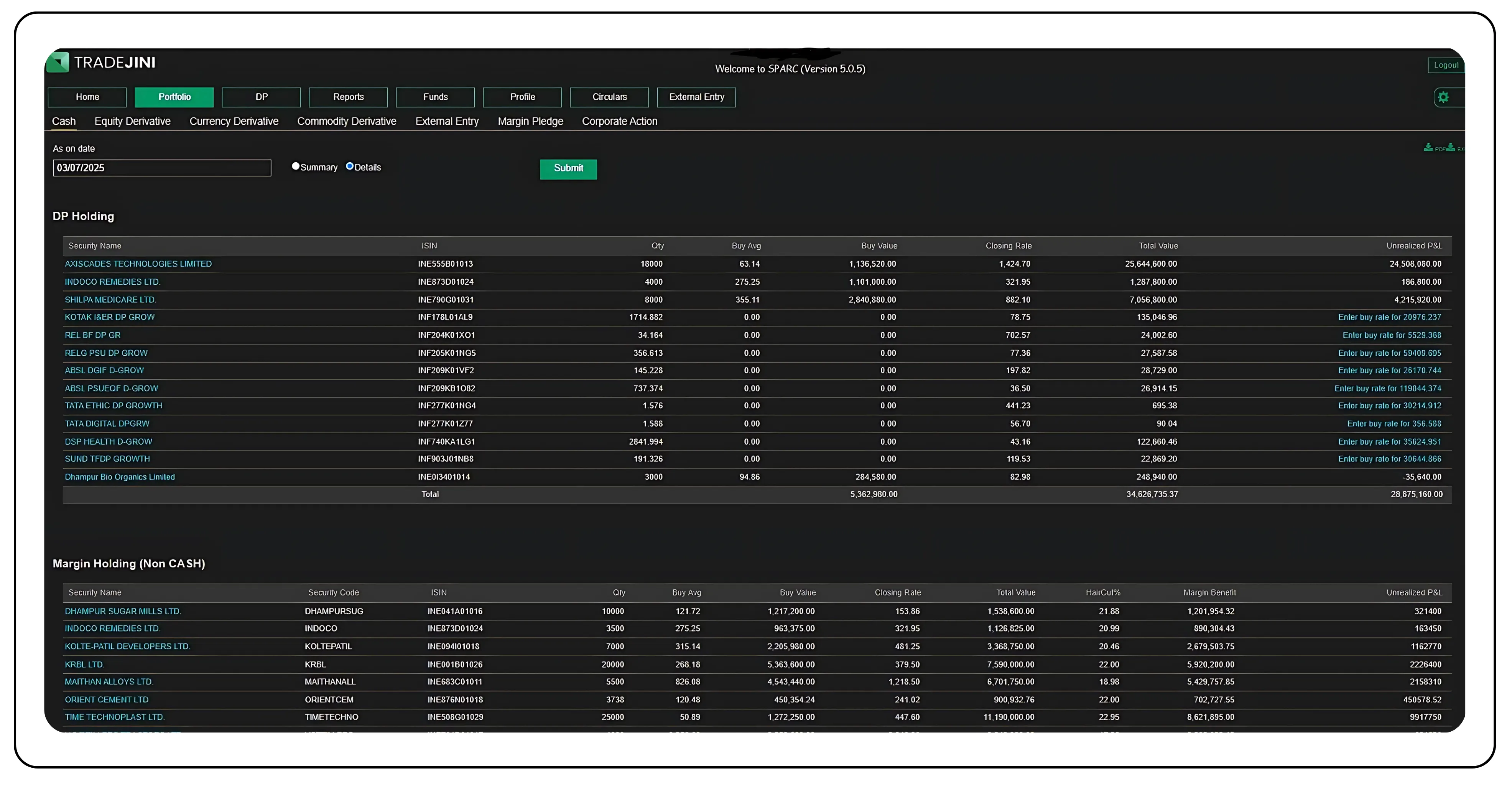
If you have a demat account with Tradejini, you can view all your stock holdings, mutual fund investments, and even any pledged shares or mutual funds in one place, as shown in the image below. This unified view makes it easier for investors to track and manage their entire portfolio without the hassle of switching between multiple platforms.
Option 2: Statement of Account (SOA)
Units are held directly with the asset management company or registrar and transfer agent, like CAMS or KFintech.
No annual maintenance charges.
A statement is provided similar to a bank statement.
Transactions can be done through the AMC's website, RTA's website (including MF Central), distributor platforms, or common transaction utilities like MF Utility, BSE STAR MF and NSE Mutual Fund Platform (NMF).
The transaction record is sent regularly, either in physical or electronic form, and summarizes all activities over the period, including purchases, redemptions, dividends received, and the current value of the investments.
Also Read: Difference between Dematerialisation and Rematerialisation of Shares
In the case of a Statement of Account (SOA), mutual fund units are held directly with the Asset Management Company (AMC) and linked to the investor’s folio number. The ownership of these units is confirmed through a Statement of Account issued by the AMC. Since there is no demat account involved, the units do not appear in demat holdings but are instead reflected in the SOA provided by the AMC and in the Consolidated Account Statement (CAS) issued by the depositories.
_29_11zon.webp?alt=media&token=0bbd9cfd-dc4d-4a93-a4a1-81ed19716c1b)
SOA vs Demat
| Feature | SOA (Statement of Account) | Demat |
|---|---|---|
| Format | Paper-based document | Digitally or electronically |
| Transaction process | Through AMC, RTA or MF central platforms, BSE Star MF, or NMF | Through broker’s trading platform |
| Ease of switching | Easy between direct and regular, and exit-load-free since 2025 | Switch not allowed between direct and regular in demat mode |
| Consolidation | One folio per AMC | All-in-one demat account with stocks, Mutual funds and ETFs |
| Nomination and transmission | Handled per folio; SEBI's simplified nomination rules (effective 1 Sep 2026) require only nominee name and relationship | Handled easily at the demat account level |
| Transfer Process | Manual process with each AMC; can involve more paperwork | Simple and straightforward through your depository participant (DP) |
So, which one is better?
It depends on your style and preferences as an investor.
Choose SOA if:
You want to switch easily between regular and direct plans — and since 2025, SEBI's directive has removed exit loads on such switches in either direction, so it's cost-free too
You want STP and SWP via standing instructions — this has long been easy in SOA, though SEBI is now extending similar standing-instruction support to demat-held units too, with a phased rollout through April 2027.
You don’t need ETFs.
Choose Demat if:
You want to track everything, such as stocks, mutual funds, and ETFs, in one place
You already have a demat and trading account; then buying a mutual fund is easier.
You want to pledge stocks or mutual fund units, or need a unified transaction history.
Invest, track & pledge mutual funds
If you are an active investor seeking unified visibility, a demat account gives you that edge.
CubePlus makes managing mutual funds easier:
Invest in direct mutual funds (no commissions)
Pledge via a demat account
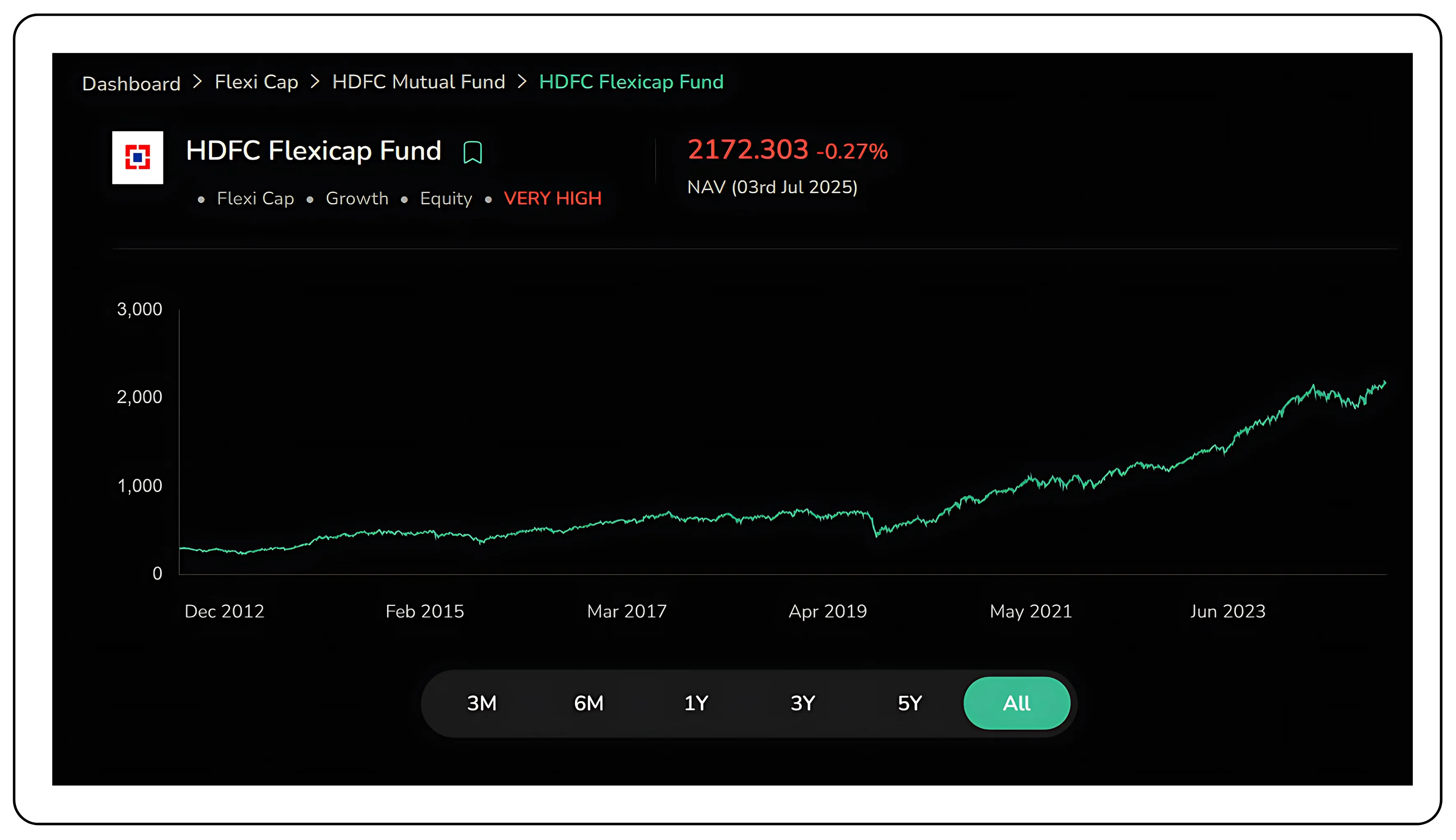
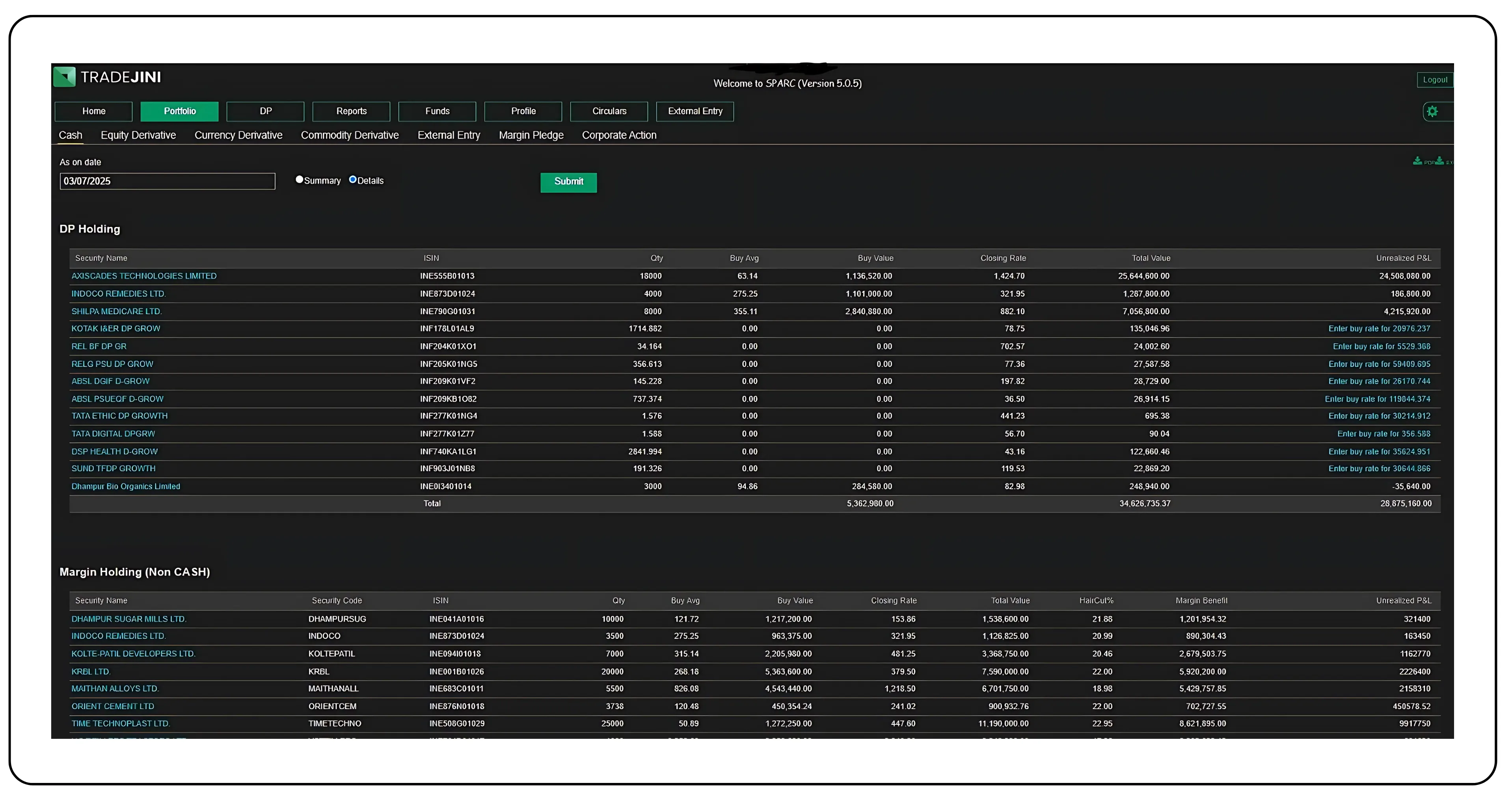
View net asset value, mutual fund performance, upcoming SIP, and more without switching platforms. All is possible under Tradejini CubePlus
With Tradejini CubePlus, it is possible to track each and every detail of mutual funds and stocks under one roof, as seen in the image below.
Making the right choice
Both the Statement of Account (SOA) and the demat account are valid ways to hold mutual funds under the SEBI (Mutual Funds) Regulations, 2026, which replaced the 1996 regulations effective 1 April 2026. Neither option is universally better; it depends entirely on what works best for you. If you are an active trader who wants all your shares and mutual fund units under one dashboard, a demat account can feel more convenient. If you prefer long-term investing with no extra annual costs for account maintenance, SOA can be a better pick.
Whichever route you choose, it is equally important to have an easy way to monitor and manage your investments. Platforms like CubePlus make this simple. If you buy mutual funds through CubePlus, you do not pay the extra commission charged in regular plans. You invest in direct plans, which means better returns over time. CubePlus also gives you a single, user-friendly portal to track all your holdings, pledge them for margin if needed, or make fresh investments without switching between multiple accounts.
In the end, the key is to stay consistent, review your portfolio regularly and ensure your mutual fund holdings match your financial goals. A smart platform like CubePlus can help you do this with ease.
Disclaimer: The information provided in our blogs is for informational purposes only and should not be construed as financial, investment, or trading advice. Trading and investing in the securities market carries risk. Always conduct your own research and consult with a qualified financial advisor before making any investment decisions. Past performance is not indicative of future results. Copyrighted and original content for your trading and investing needs.
© 2025 — Tradejini. All Rights Reserved.


