.webp%3Falt%3Dmedia%26token%3D49cf65ba-b402-4a8a-a411-429958067b3c&w=3840&q=85)
It all began with Futures & Options.
Back then, I didn’t fully understand how F&O worked-the terms felt complex, and the risks seemed abstract. But thanks to a friend who traded actively, I found myself dabbling in F&O despite my limited knowledge. I was in the market, yes, but not truly invested.
Then, during my internship, my mentor looked at my CubePlus account and casually asked,
‘Why is your portfolio still showing zero?’
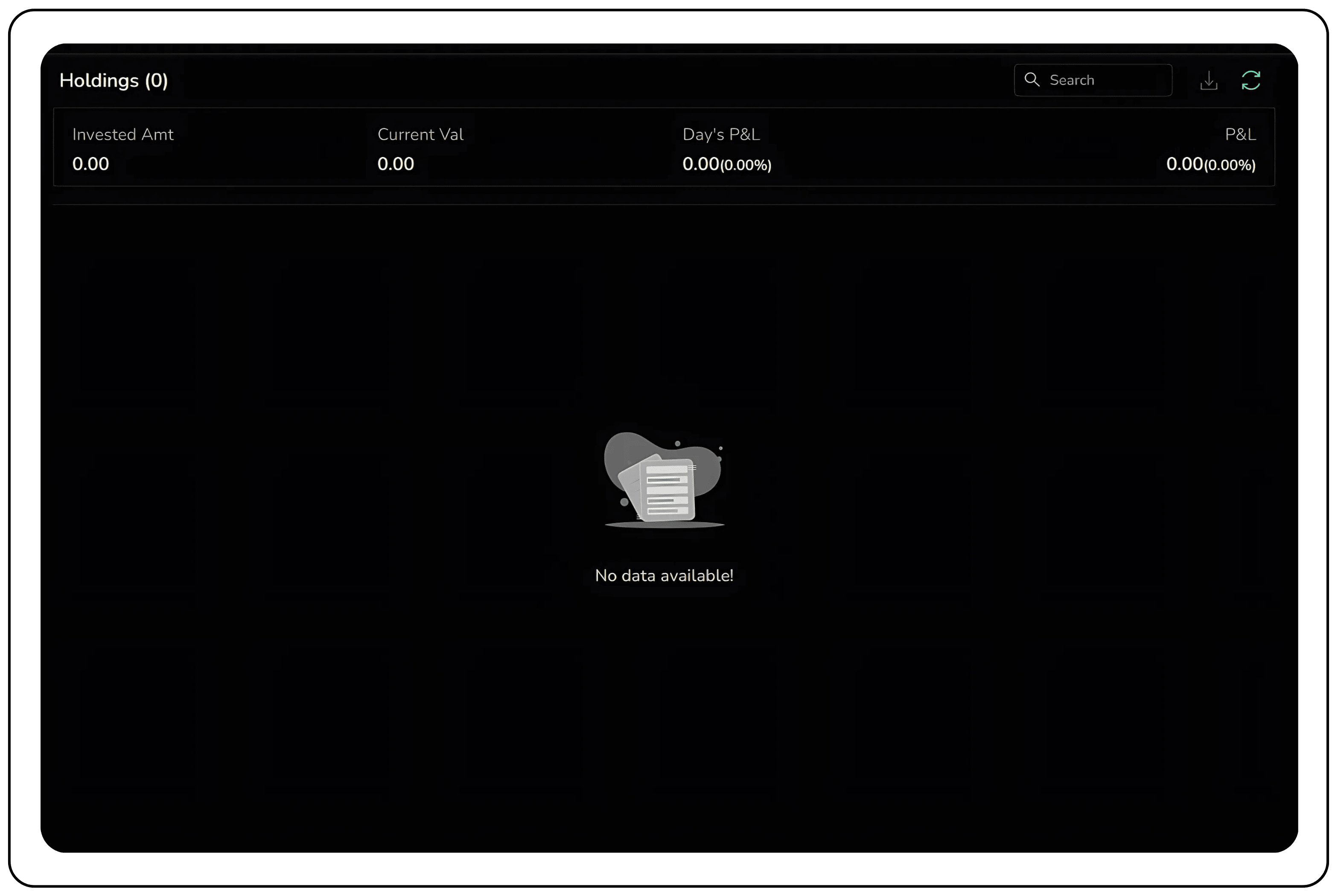
That question hit me. She explained something that changed how I looked at money and markets:
‘Investing isn’t about timing trends, it’s about owning businesses. It’s about buying shares of companies you believe in, holding them long-term, and letting compounding do its work. That conversation planted a seed in my mind’.
The Shift from trader to investor
I started researching companies I already knew and liked — Asian Paints, Tata Motors, and Honasa Consumer (Mamaearth). These weren’t just familiar names, but possibly among the best first time investments for beginners like me.
- Asian Paints caught my eye for its design and branding.
- Tata Motors felt familiar- cars I grew up seeing, a brand I loved.
- Mamaearth appealed to me for its clean-label focus and youthful brand image.
I downloaded their annual reports and studied their fundamentals, including past performance, market shares, and long-term potential. I wasn’t just buying stock, I was learning to evaluate businesses.
Also Read:
Teach Kids Money Basics👶🏻💸 With Simple Financial Lessons For Ages 6-7
I studied the financials of the three businesses:
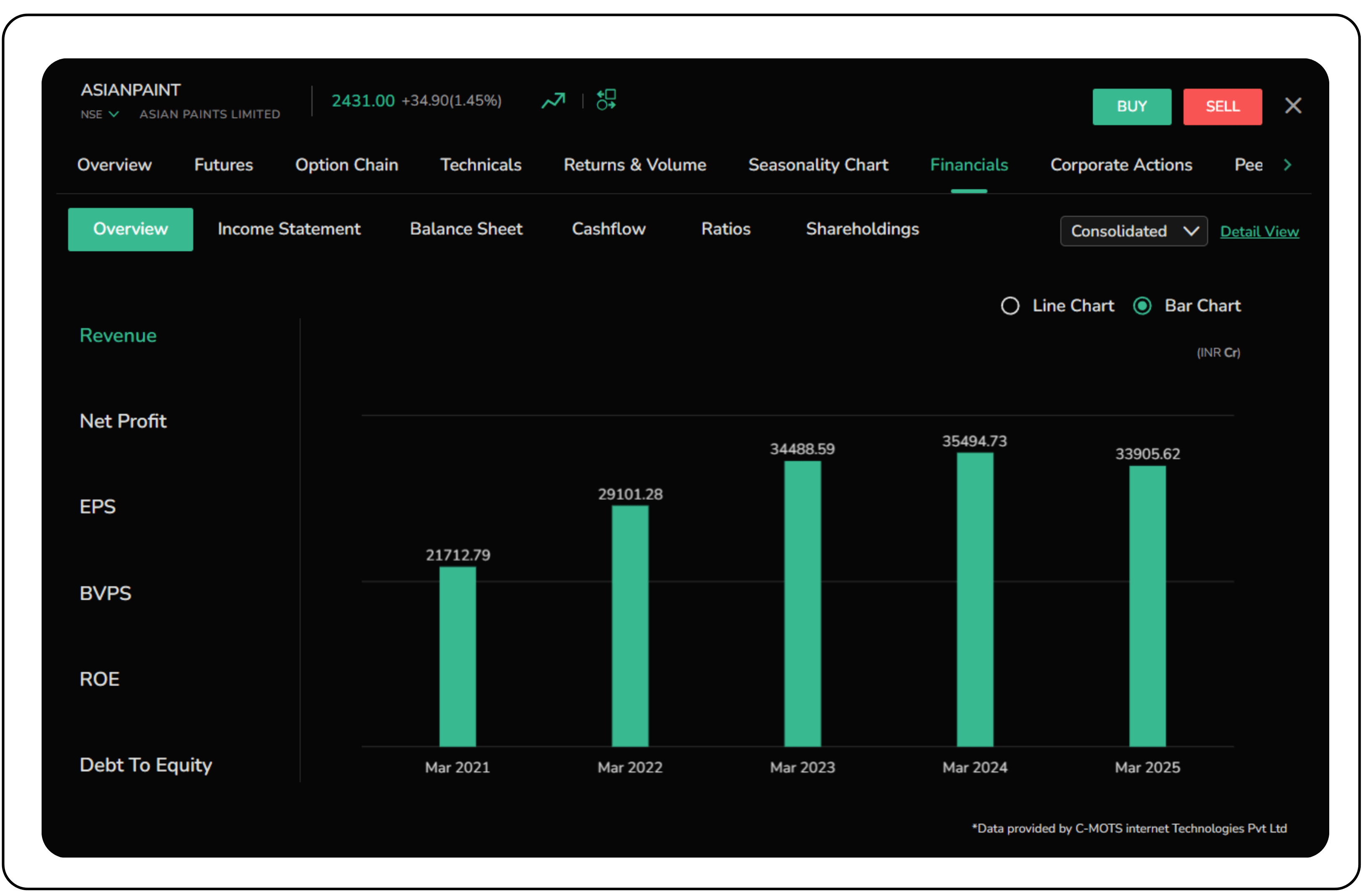
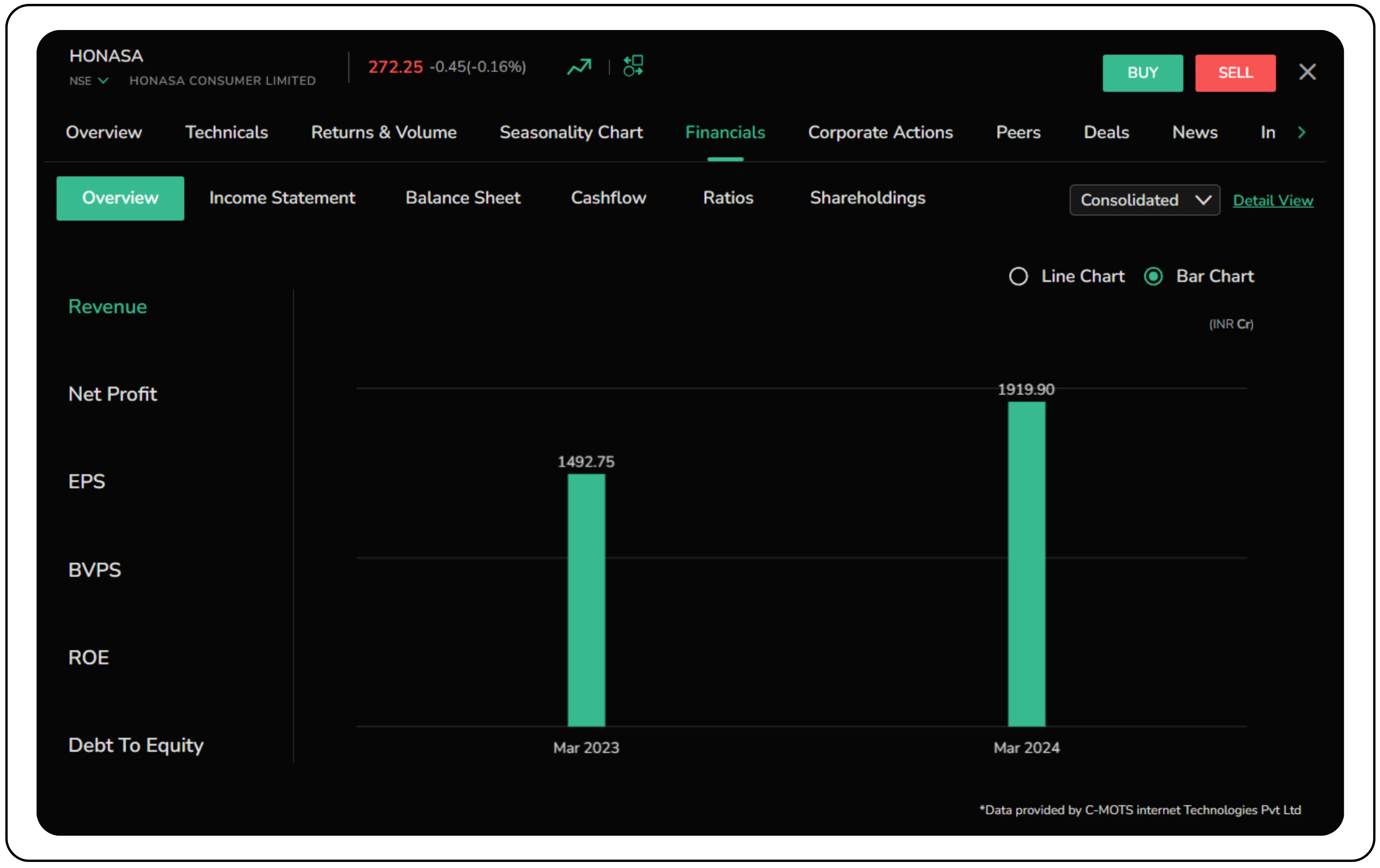
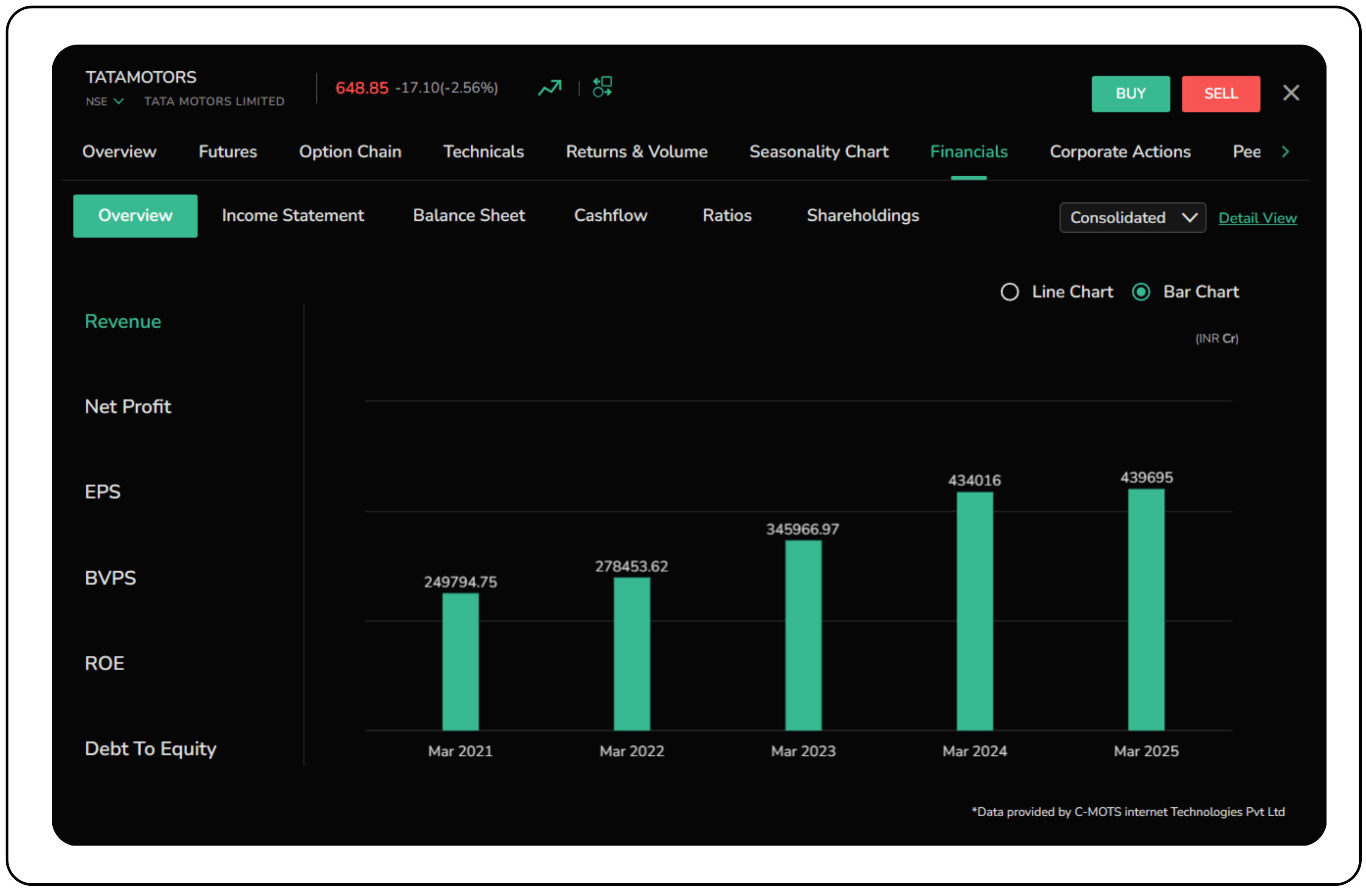
These companies businesses operate in entirely different sectors, so comparing them directly isn’t exactly fair; it’s like comparing apples to oranges. Still, I analyzed them side by side to get a clearer picture of how each one functions. I focused on their financials, and despite the sectoral differences, all three showed strong performance on paper. Here’s a snapshot of their income statements:
Asian Paints:
Asian Paints started in 1942 as a small partnership firm founded by four friends aiming to challenge global paint giants in India. Over 25 years, it grew into a corporate powerhouse and has been the market leader since 1967. The company manufactures a wide range of decorative and industrial paints, along with waterproofing solutions, adhesives, and related services. In recent years, t has expanded into the home decor space, offering modular kitchens, wardrobes, bath fittings, lighting, furniture, and more.
Honasa Consumer (Mamaearth):
Honasa Consumer Limited is a digital-first house of brands focused on millennial needs in beauty and personal care. It combines purpose, technology, and evolving consumer trends offering natural, science-backed, and Ayurvedic solutions. Its portfolio includes Mamaearth, The Derma Co., and Aqualogica, along with acquired brands like BBlunt and Dr. Sheth’s.
Tata Motors:
Tata Motors Limited (TML) is India’s largest manufacturer of trucks and buses, with a global footprint and a strong focus on eco-friendly mobility. A pioneer in sustainable transport, TML offers smart, integrated e-mobility solutions built on a human-centric, tech-driven approach. As part of the Tata Group, it holds rights to iconic trademarks like TATA and TATA MOTORS. Guided by core values like responsibility, TML is committed to innovation, safety, and creating a positive legacy.
Also read :
Assessing Valuation and Opportunity in Tata Chemicals
The comparison
| Metric / Year | Asian Paints | Tata Motors | Honasa Consumer (Mamaearth) |
|---|---|---|---|
| Sector | Paints & Coatings | Automobile & EV | FMCG (Beauty & Personal Care) |
| FY21 Sales (₹ Cr) | ₹21,713 | ₹2,49,795 | ₹460 |
| FY25 Sales (₹ Cr) | ₹33,906 | ₹4,39,695 | ₹1,866 |
| Sales Growth (5Y) | 56% | 76% | 305% |
| FY21 Net Profit | ₹3,207 Cr | -₹13,395 Cr (Loss) | -₹1,332 Cr (Loss) |
| FY25 Net Profit | ₹3,710 Cr | ₹28,149 Cr | ₹64 Cr |
| EPS FY25 (₹) | ₹38.23 | ₹75.60 | ₹1.97 |
| Operating Profit FY25 | ₹6,006 Cr | ₹55,216 Cr | ₹54 Cr |
| Debt Reduction | Low Debt Business | ₹1.46L Cr → ₹71,540 Cr | Low leverage |
| ROE / ROCE (FY25) | ~20% / 28% | 28.1% / 20% | Improving, but not disclosed |
| P/E Ratio | ~50+ (premium pricing) | 8.44 (undervalued) | High (due to low profits) |
| Valuation View | Fair to overvalued for consistent performer | Undervalued with turnaround story | Pricey, but growth-focused FMCG |
| Business Story | Consistent compounder, brand-driven growth | Deep turnaround, global footprint (JLR), EV push | Volatile but promising in new-age FMCG |
| Investment Risk | Low (stable demand, pricing power) | Moderate (cyclical, global factors) | High (young business, inconsistent margins) |
| Personal Take | Design appeal, steady returns | Massive turnaround, future-focused | Values-aligned brand, early-stage play |
Tata Motors represents a smart turnaround, deleveraged, profitable, EV-focused, and still undervalued. Mamaearth is a high-growth FMCG entrant, still finding profitability stability attractive but risky.
Also read :
Biocon Limited’s Strategic Growth in Generics, Biosimilars & Research Services
Why Tata Motors stood out
All three companies had their strengths, but Tata Motors stood out as a complete turnaround story. From losses in FY21–22 to ₹28,000 Cr profit in FY25, and from ₹1.46 lakh Cr debt down to ₹71,540 Cr, the transformation was real.
What made it compelling was the combination of strong fundamentals and attractive valuations:
- P/E of 8.44, far lower than the industry average of 32
- ROE of 28.1%, ROCE of 20% showing efficient capital use
- Debt-to-equity of 0.62, manageable for an automaker
- PEG of 0.13, suggesting the company's growth is undervalued
Add to that strong operating cash flows, steady reinvestments, and an EV-led growth plan, and I wasn’t just buying a stock, I was backing a vision. Tata Motors, with its valuation and growth outlook, turned out to be one of the best first stocks to buy.
What I learned
The comparison helped me look beyond just stock prices. Each company had its own story, its strengths, and its risks. I chose Tata Motors not just for the numbers, but for the bigger picture and the direction the company was moving toward.
That’s when my mindset truly shifted. I stopped thinking like a trader chasing quick moves and started thinking like an investor looking for long-term value.
For anyone who’s first time investing in stocks, it’s not about picking the perfect company — it's about starting the journey with intent.
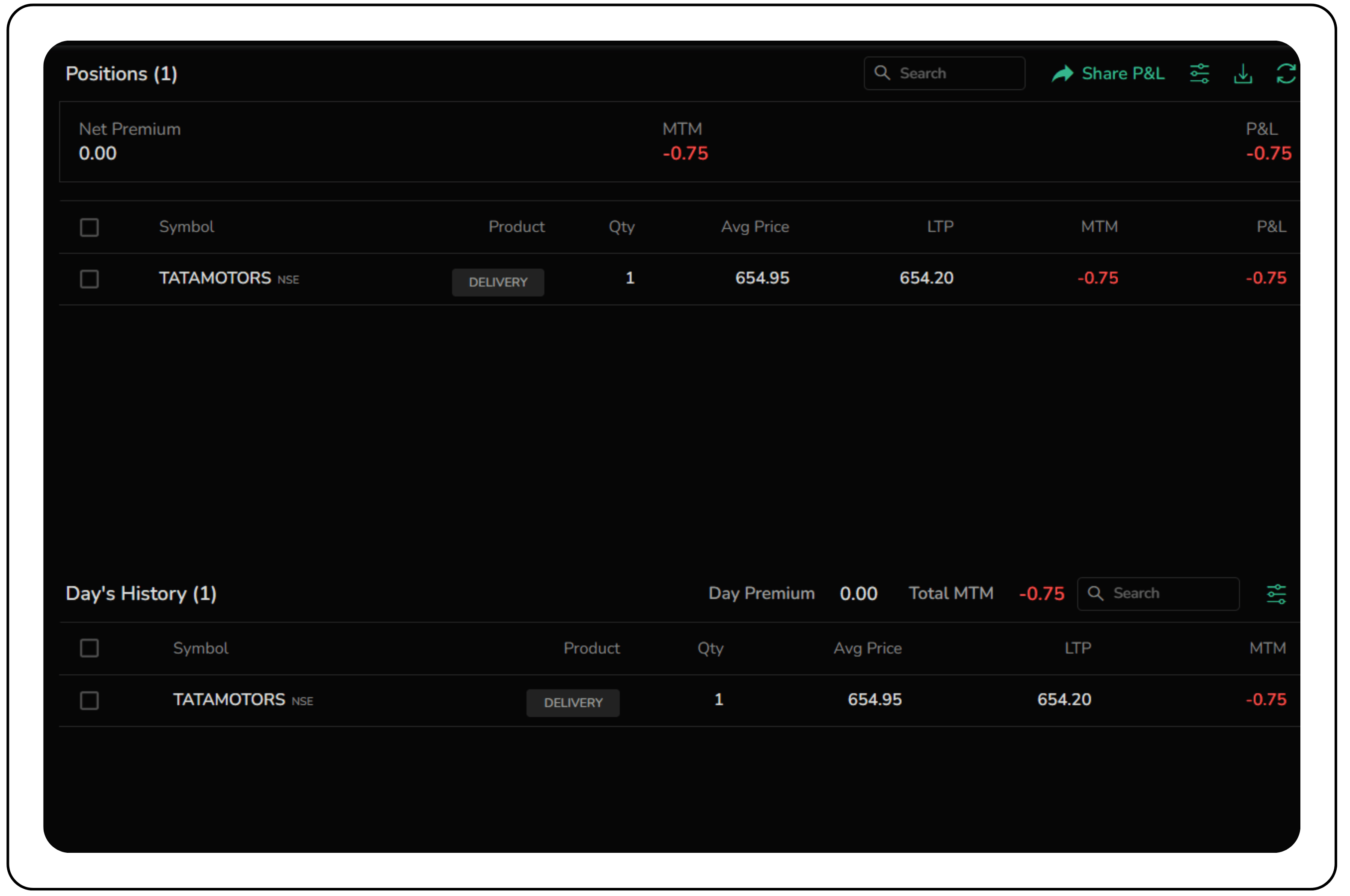
As you can see in the screenshot, this was my first trade stock, a single share of Tata Motors at ₹654.95. It might seem like a small step, but for me, it was my first time buying stocks with confidence. The profit or loss didn’t matter what mattered was the intent and the mindset behind the decision.
I wasn’t gambling or guessing. I was committing to learning, growing, and building wealth over time.
That single trade taught me more than hours of reading.
It wasn’t just my first stock investment- it was the moment I stopped speculating and started investing.
Most importantly, it reminded me that every journey starts with a single step- and this was mine.
Also read :
Port-led Development in India A Sectoral Outlook
Every stock tells a different story
Investing isn’t always about chasing the highest returns.
Sometimes, it’s about finding a business you understand, connect with, and believe in.
Tata Motors became my first real investment- not just a trade. That moment marked a shift in how I approached the markets. I stopped thinking like a trader chasing trends and started thinking like an investor focused on the long term. Stick to good stocks for first time investors, companies whose products you use, whose stories you understand.
And now it's your turn to open your CubePlus account and take the first step toward smart, goal-based investing on your terms.
Click here to sign up
Disclaimer: The information provided in our blogs is for informational purposes only and should not be construed as financial, investment, or trading advice. Trading and investing in the securities market carries risk. Always conduct your own research and consult with a qualified financial advisor before making any investment decisions. Past performance is not indicative of future results. Copyrighted and original content for your trading and investing needs.
© 2025 — Tradejini. All Rights Reserved.