

Before Warren Buffett became a household name, there was Philip Fisher. Buffett openly says that a large part of his investing style comes from Fisher’s philosophy. Fisher built his career long before the internet era, but his thinking still shapes how top fund managers evaluate businesses today. Warren Buffett openly credits Fisher for shaping his own investment thinking, showing how strong the Warren Buffett–Philip Fisher influence is on modern long-term investing.
Philip Fisher spent more than half a century studying what makes a company truly great, and he managed money in a way that rewarded patience with extraordinary results. His book Common Stocks and Uncommon Profits became the first investment book ever to make the New York Times bestseller list; rare for a finance title back then.
Here’s the thing. Fisher’s work didn’t teach how to outsmart the market for a month or two. It taught how to understand companies so deeply that you could hold them for decades with conviction.
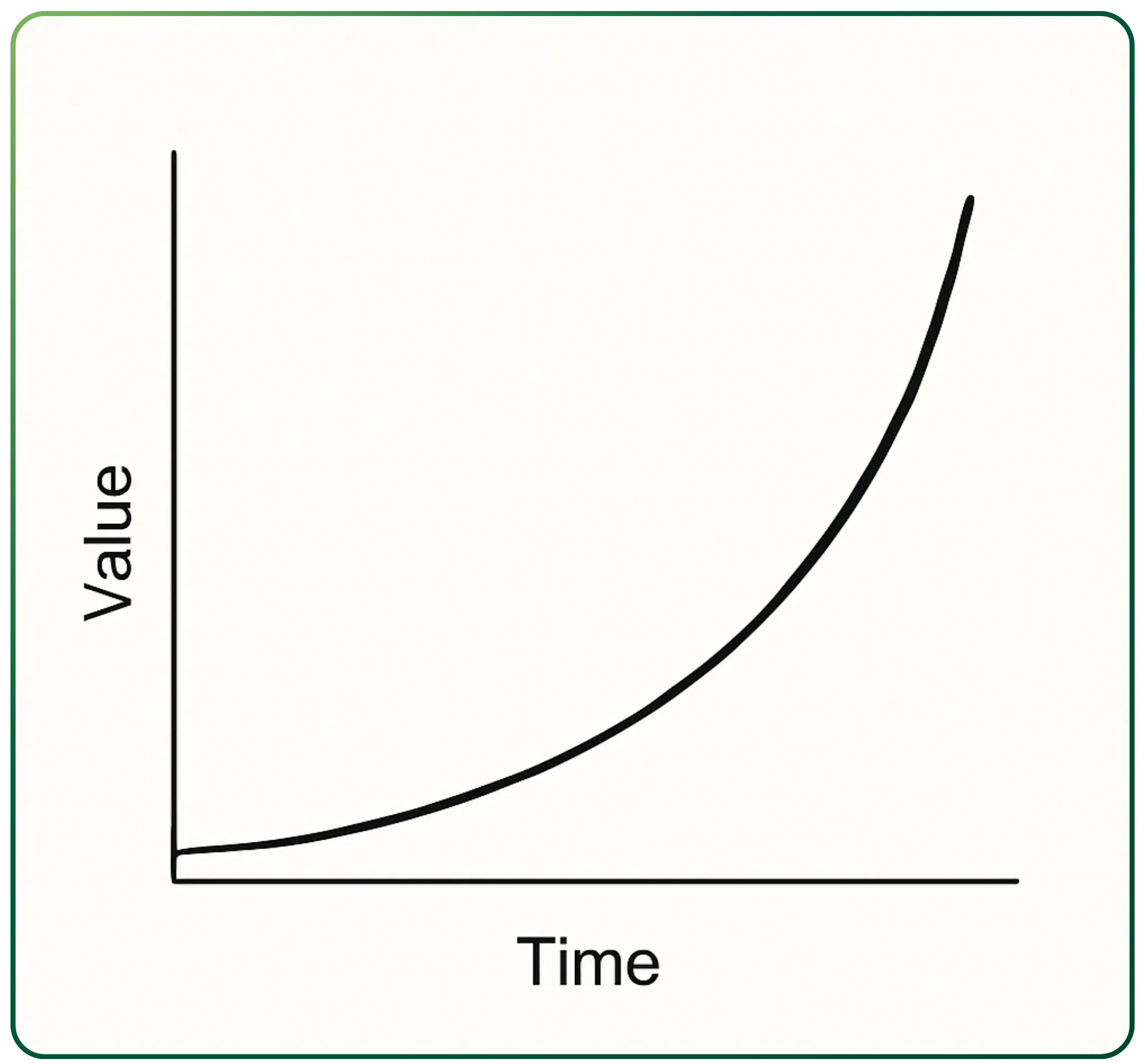
The core message remains powerful: buy outstanding businesses and stay with them long enough for compounding to do the heavy lifting.

What Makes a Company Worth Owning
Fisher didn’t rely on fancy formulas. He created a set of questions that push you to understand a business from the inside. These came to be known as his 15 Points (also known as Philip Fisher 15 points checklist). Think of them as a long-term growth checklist.
- Products with long runway for growth
A company shouldn’t depend on short-lived trends. It needs offerings that can expand with rising demand, find new applications over time, and grow across different markets or geographies. The best companies operate in spaces where the market itself keeps widening as they grow.
- Leadership that actively pushes expansion
Great businesses don’t wait for the market to come to them. Their leaders explore new customer segments, adapt quickly to changing needs, and invest time and money in opportunities that will pay off many years later. Fisher believed bold, proactive management is what sets market leaders apart from average firms.
- Innovation as an ongoing system

Real R&D is not a department, it’s a mindset built into the culture. Companies that Fisher admired spent consistently on innovation, created future products even while current ones were thriving, and protected their ideas through patents, processes, or technical capability. Innovation becomes the engine that fuels the future, not a press-release announcement.
- Sales and distribution that compound market reach
A great product succeeds only when it reaches customers effectively. Fisher valued businesses that build strong customer relationships, continually expand their distribution channels, and develop sales teams that focus on trust rather than aggressive pushing. When sales capability is strong, it becomes a competitive moat that compounds over time.
- Healthy and consistent profit margins
Margins are a sign of competitive strength. Fisher preferred companies with pricing power, brand pull, or operational efficiency that allowed them to maintain strong margins year after year. A temporary jump in profits didn’t impress him; durability did.
- A culture of improving cost efficiency
A great business treats cost control like a craft. Fisher looked for companies that constantly find smarter, cheaper ways to operate, whether through automation, better sourcing, economies of scale, or superior engineering. The idea is that every year should show progress in how efficiently the company runs.
- Clean and effective internal systems
Systems should protect the company without suffocating creativity. Fisher valued organisations with transparent reporting, accountable structures, and processes that could scale as the business expands. Good systems support innovation rather than getting in its way.
- Leadership depth beyond one star
A business shouldn’t depend on a single visionary. Fisher preferred companies with strong succession planning, distributed decision-making, and teams capable of running the company even if the founder or a key leader stepped aside. A business built on one person might perform brilliantly for a while, but it doesn’t offer safety for long-term investors.
- People who enjoy building the company
Morale isn’t about motivational speeches; it shows itself in actual work. When employees stay for the long term, take initiative, and keep improving products or processes, you know the culture is strong. Fisher saw employee commitment as a reflection of how well the company treats its people internally.
- Respect for workers across the hierarchy
Respect pays financial dividends. Companies that value their workforce retain skills, avoid labour disputes, and build a reputation that attracts better talent. Fisher disliked businesses that squeezed workers for short-term gains; in his view, such behaviour eventually destroys creativity and productivity.
- Alignment among top executives
Fisher had no patience for ego battles in the boardroom. He believed that a company wins when its leaders work in harmony, make decisions based on long-term goals, and keep personal agendas out of strategy. Conflicting leadership slows execution and ultimately hurts shareholders.
- Access to critical materials and vendors
A reliable supply chain is a hidden moat. Fisher preferred companies that control their sourcing well, maintain strong vendor relationships, and avoid being dependent on a single supplier. Consistent access to raw materials protects both margins and long-term stability.
- A cost advantage that doesn’t disappear
Temporary discounts or short-term efficiencies don’t count. Fisher looked for cost advantages rooted in scale, proprietary technology, patented processes, or deep supplier relationships. He wanted advantages that competitors can’t easily copy, even if they try.
- Honest reporting, especially during bad patches
Companies that hide problems today will hide bigger problems tomorrow. Fisher demanded straightforward communication from management, especially when things weren’t going well. He believed that honesty during tough times is a better sign of strength than smooth talk during good times.
- Integrity as the foundation of leadership
Everything in investing rests on trust. Fisher believed that one unethical decision could destroy shareholder value, brand reputation, and employee relationships all at once.

Skills and strategies mean nothing if leadership lacks character, because integrity is not about looking honest, it’s about consistently acting in favour of shareholders even when no one is watching.
If You Enjoy Fisher’s Style… You might also want to look at how another legend approached stock picking from a completely different angle. Peter Lynch turned an $18 million fund into $14 billion by choosing everyday businesses most people ignored.
Also read: How Peter Lynch Picked Winning Stocks – A Simple Look at His Investment Strategy
Fisher’s Scuttlebutt Approach to Investing
Fisher’s most underrated idea is something every equity analyst should tattoo on their brain. He called it scuttlebutt, which basically means: learn from real-world sources, not just reports. One of the most practical ideas in Common Stocks and Uncommon Profits is Fisher’s Scuttlebutt approach to investing, which means learning about a business through real-world sources instead of just financial reports.
Fisher suggested looking beyond annual reports and talking to the ecosystem around the business. You learn a lot from suppliers who understand the company’s bargaining power, customers who can judge its quality and pricing, and competitors who either respect or fear its presence. Even former employees reveal what internal culture actually looks like, and industry experts help you notice broader shifts that the company might benefit from. This messy, real-world information is what Fisher called the “scuttlebutt”, the kind of insight no spreadsheet can give you.
What this really means is: the best insights don’t come from spreadsheets, they come from the ecosystem around the business.
Fisher’s Take on Diversification
Fisher’s views on diversification turned traditional investing advice upside down. He argued that owning too many stocks usually hides a lack of proper research.

In his view, you don’t need dozens of companies to be safe, you just need a few, but they should be exceptional. The key is to know them well enough to stay invested through market noise and let compounding do its work over years, not months. Diversification, according to Fisher, should protect smart decisions, not act as a hiding place for lazy research.
Interested in Practical Trading Too?
If you like understanding how long-term investing works, it’s just as useful to learn how professional traders make money from market mispricing. Pair trading uses statistics instead of guesswork and works even when the market isn’t trending.
Also read: Pair Trading Made Simple with a Clear Look at Statistical Arbitrage in India
When Should You Sell?
Many investors keep searching for rules on when to sell a stock. Philip Fisher made it surprisingly simple: sell only if your analysis was wrong or if the company’s long-term advantage disappears.
- You were wrong about the business. Maybe the management isn’t honest or the growth assumptions were faulty.
- The company loses its competitive edge permanently. Short-term pain is fine. Permanent decline is not.
Selling should be rare. Real compounding kicks in after most investors lose patience.
Growth at a Fair Price Strategy
Fisher wasn’t chasing the cheapest option. He was chasing the most durable. His style sits somewhere between pure value and pure growth:
Look for companies that can grow with safety. Pay a fair price for long-term durability.
Cheap stocks are often cheap for a reason. Great businesses repay you for decades.
What This Mindset Builds
Fisher’s philosophy doesn’t reward impatience. It ignores shortcuts, skips gimmicks, and treats market noise as a distraction. What it builds instead is a deep understanding of the business you own, a respect for character and culture inside the company, and the kind of returns that only patience can unlock. Your portfolio becomes something you study carefully but rarely shuffle, because the goal is not to trade frequently but to stay with the right businesses long enough for compounding to work. The real shift is simple: stop asking whether a stock looks cheap. Start asking whether the business itself is exceptional and still capable of growing for decades.
A Closing Thought
Common Stocks and Uncommon Profits isn’t a rule book. It’s a change in perspective. Once you learn to judge companies like Fisher, you stop worrying about short-term swings and start thinking like the kind of owner who benefits from decades of compounding.
Turn research into action and explore smarter investing opportunities with CubePlus.
Disclaimer: The information provided in our blogs is for informational purposes only and should not be construed as financial, investment, or trading advice. Trading and investing in the securities market carries risk. Always conduct your own research and consult with a qualified financial advisor before making any investment decisions. Past performance is not indicative of future results. Copyrighted and original content for your trading and investing needs.
© 2025 — Tradejini. All Rights Reserved.
.webp%3Falt%3Dmedia%26token%3D0ead9799-20bc-4d1e-ae8f-d75ab18921b5&w=3840&q=75)


