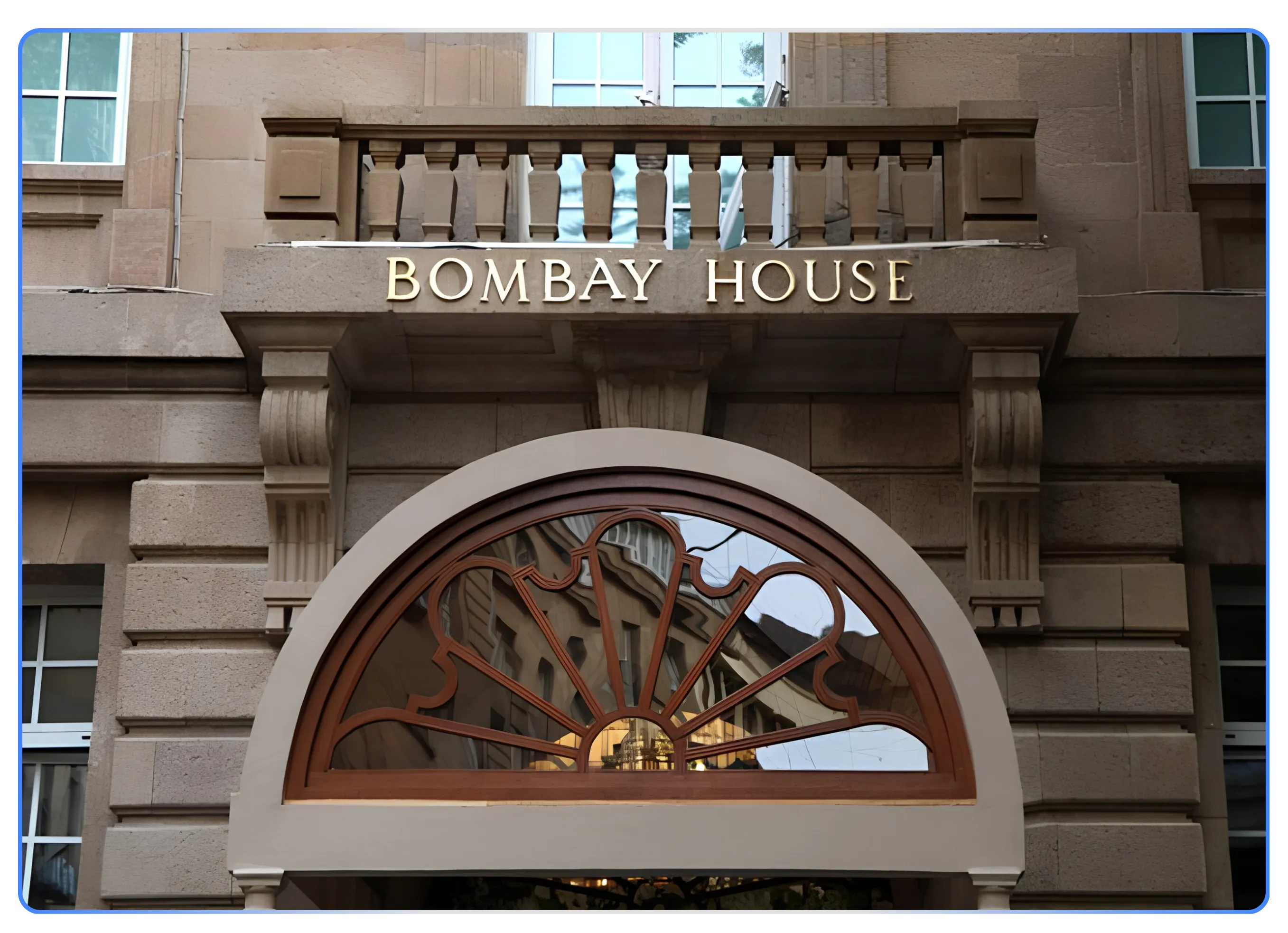
For 108 years, Tata Sons has run the country's largest business house without selling a single share to the public. That changed direction on September 17, 2026, when its board voted to move toward a stock market listing and gave chairman N Chandrasekaran a fresh five-year term. The company's largest shareholder, Tata Trusts, voted against both decisions and has since called the reappointment "null and void." Here is how a century-old private company arrived at this point, who actually owns it, and what a listing could mean for one of India's largest philanthropic operations.
A brief history
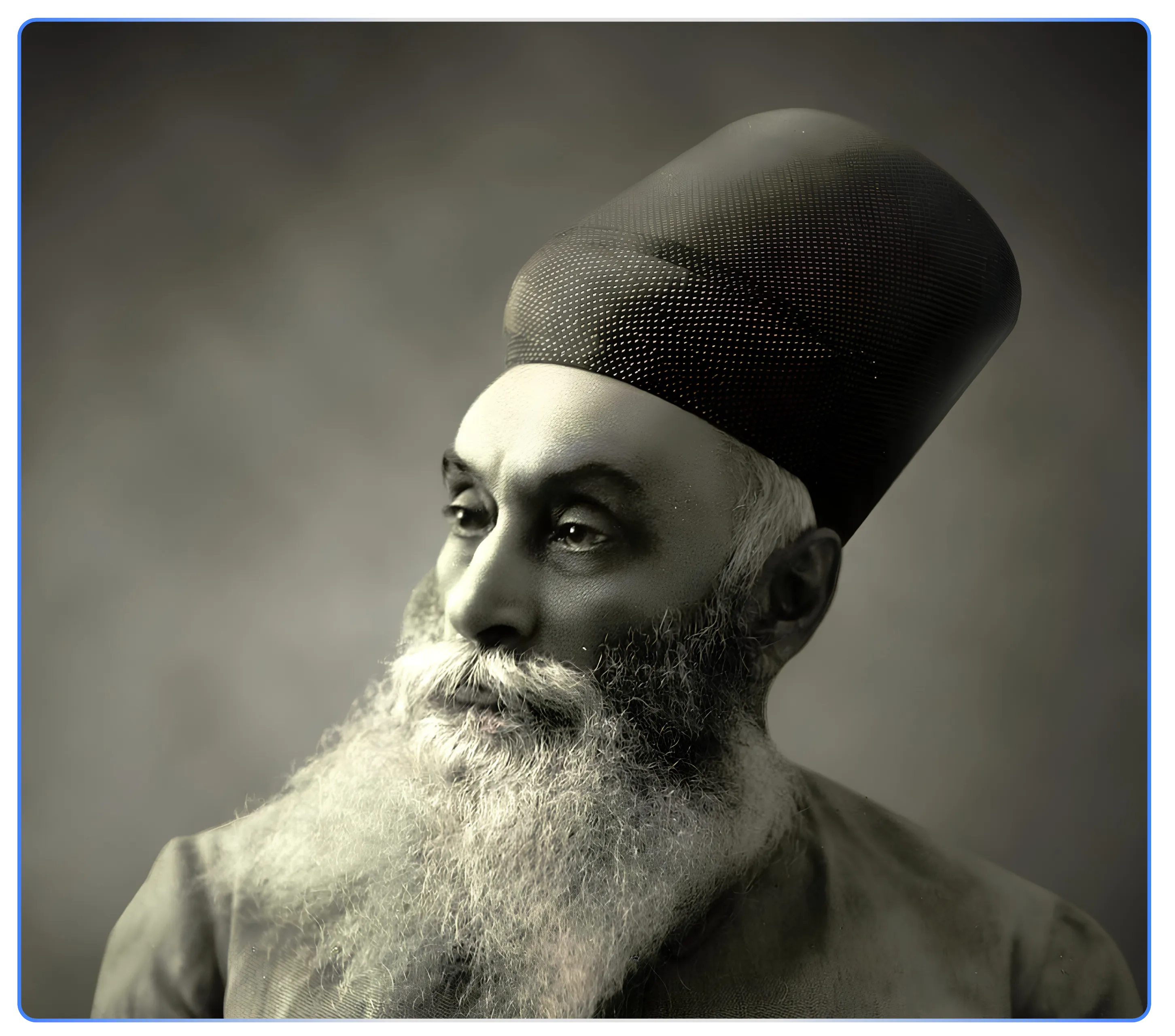
Jamsetji Tata started a trading firm in Bombay in 1868 with ₹21,000 in capital. Four ambitions defined the rest of his life: a steel plant, a world-class hotel, a scientific institute, and hydroelectric power. He lived to see only one of them, the Taj Mahal Palace Hotel, which opened in 1903. He died in Germany the following year, and his son Dorabji carried the rest forward: Tata Steel was incorporated in 1907, and the Indian Institute of Science admitted its first students in 1911.
Tata Sons itself was registered as a separate company only in 1917, forty-nine years after that original trading firm. This distinction matters: when people talk about "150 years of Tata," they usually mean the group's 1868 origin, not Tata Sons, the specific holding company now at the centre of this dispute, which turns 109 next year. Since Dorabji, Tata Sons has had six chairmen: Nowroji Saklatvala, JRD Tata for over five decades, Ratan Tata twice, Cyrus Mistry briefly, and Chandrasekaran since 2017. Mistry's removal in 2016 was the group's last major boardroom battle. It ran through the NCLT and the NCLAT, which briefly reinstated him, before the Supreme Court upheld Tata Sons' decision in March 2021.
Introduction

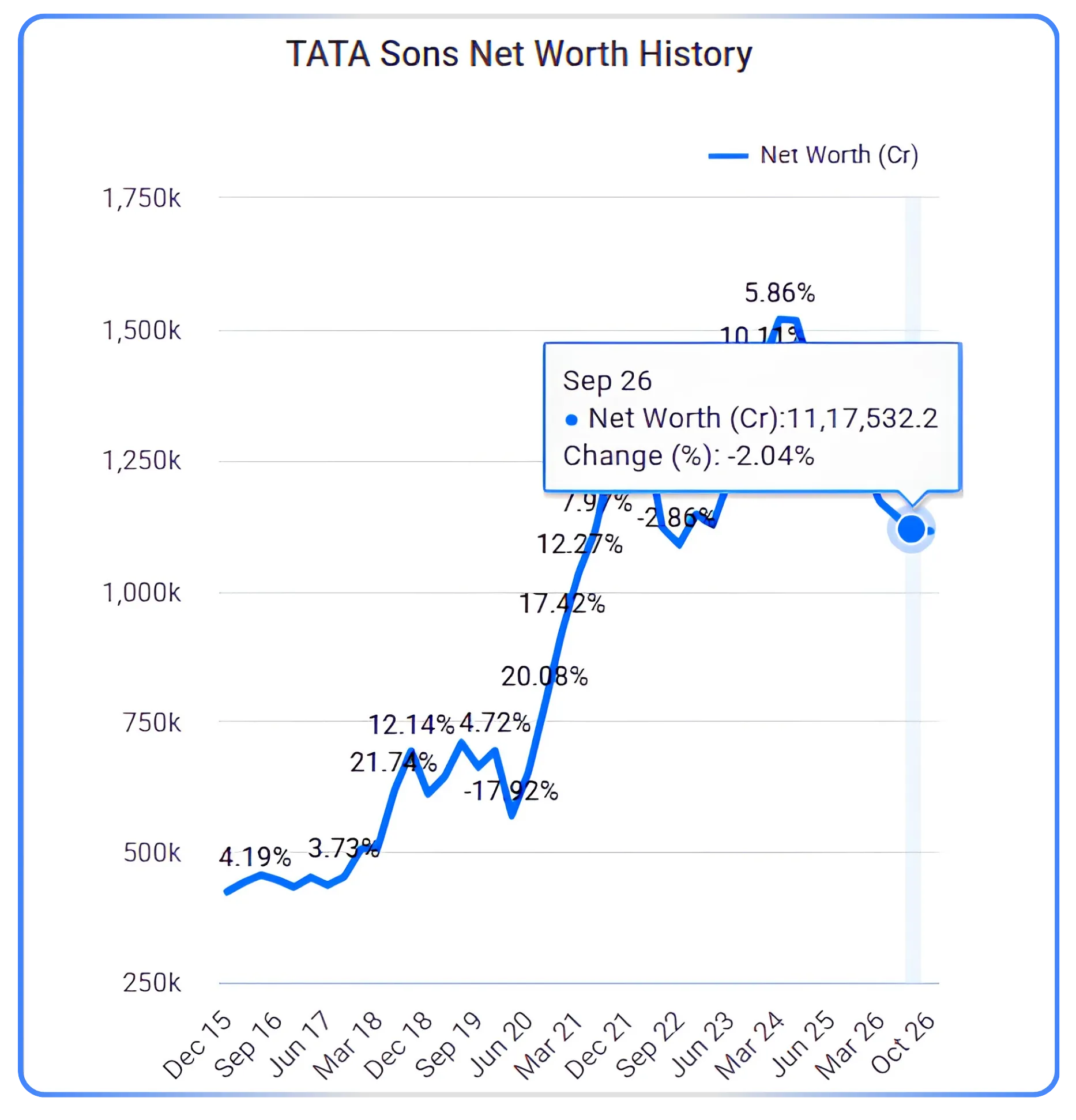
Tata Sons is a holding company. It owns the controlling stakes in Tata Steel, TCS, Tata Motors, and the rest of the group, ranging from about 14 percent in Tata Communications to roughly 72 percent in TCS, and earns almost all its income as dividends from them. By Tata's own count, there are 26 publicly listed Tata companies with a combined market value of more than ₹11,13,096 crore. Tata Sons on its own reported standalone revenue of ₹38,835 crore and net income of ₹26,232 crore for FY25, with standalone assets of about ₹1.75 lakh crore.
Who owns it?
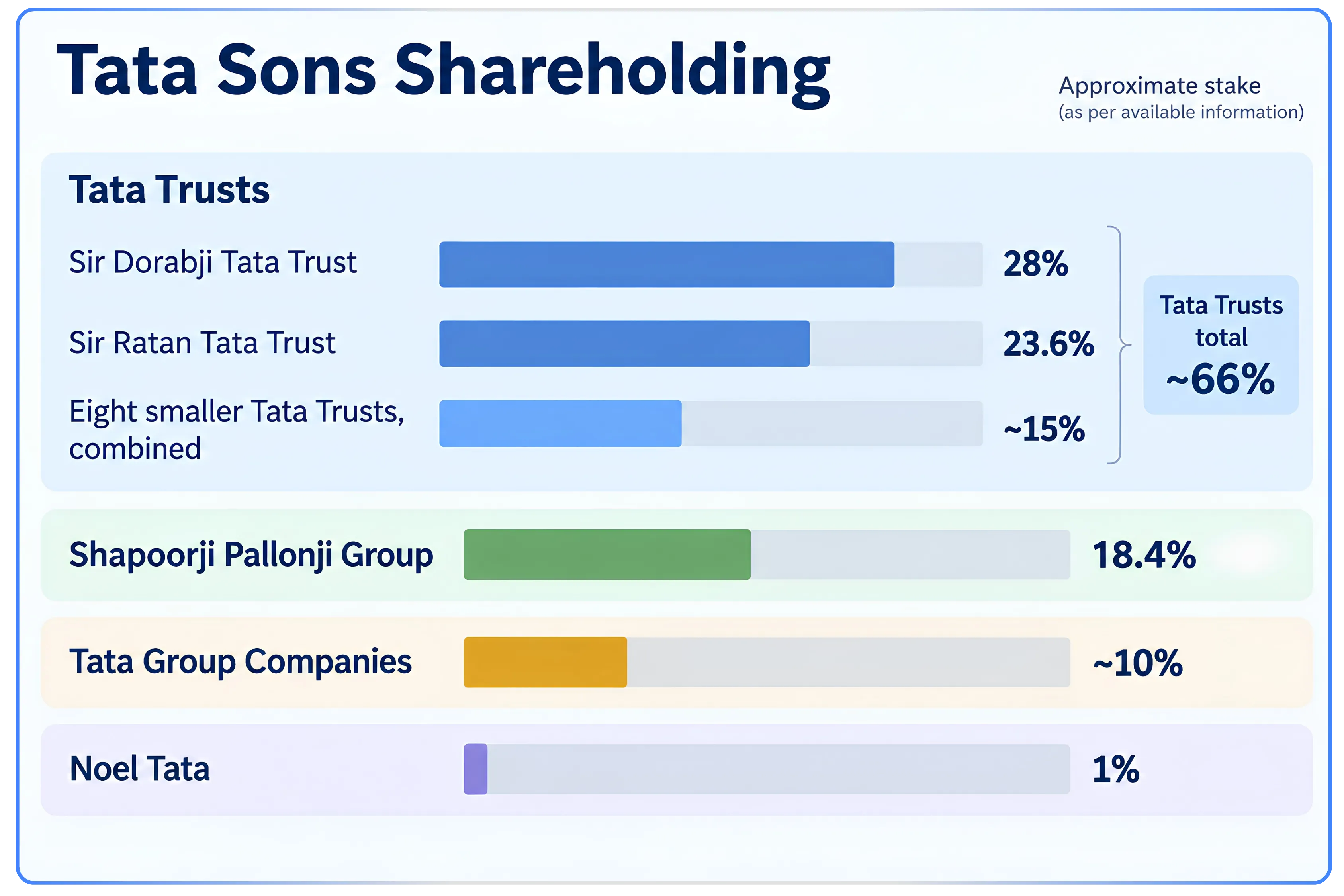
About 66 percent of Tata Sons sits across ten charitable trusts, together called Tata Trusts. The Shapoorji Pallonji Group, run by the family of the late Cyrus Mistry and his brother Shapoor Mistry, holds about 18.4 percent, a stake Bloomberg has valued near $31 billion, close to three-quarters of Shapoor Mistry's personal fortune. That is the real reason the SP Group has pushed for a listing for years, quite apart from the RBI's own demand. Noel Tata, Ratan Tata's half-brother and current chairman of Tata Trusts, holds about 1 percent personally. A few Tata operating companies, including Tata Steel, Tata Motors, Tata Chemicals and Tata Power, also hold small stakes in Tata Sons.
The rules and the fight over them
Tata Sons' Articles of Association contain a clause, known in recent reporting as Article 121, requiring certain board decisions, including the chairman's reappointment, to have the backing of a majority of the directors nominated by Tata Trusts. Only two directors carry that nomination: Noel Tata and Venu Srinivasan, vice-chairman of Tata Trusts and chairman emeritus of TVS Motor Company. On September 17, they split. Srinivasan voted for Chandrasekaran's reappointment and the listing move; Noel Tata voted against both. Tata Sons' position, argued by senior advocate Harish Salve, is that this split lets the chairman use a tie-breaking vote, so the board's 4-1 decision stands. Tata Trusts, represented by Abhishek Manu Singhvi, argues that a majority cannot be manufactured out of a two-way tie, and has placed before the board a legal opinion from former Chief Justice of India D Y Chandrachud backing its reading.
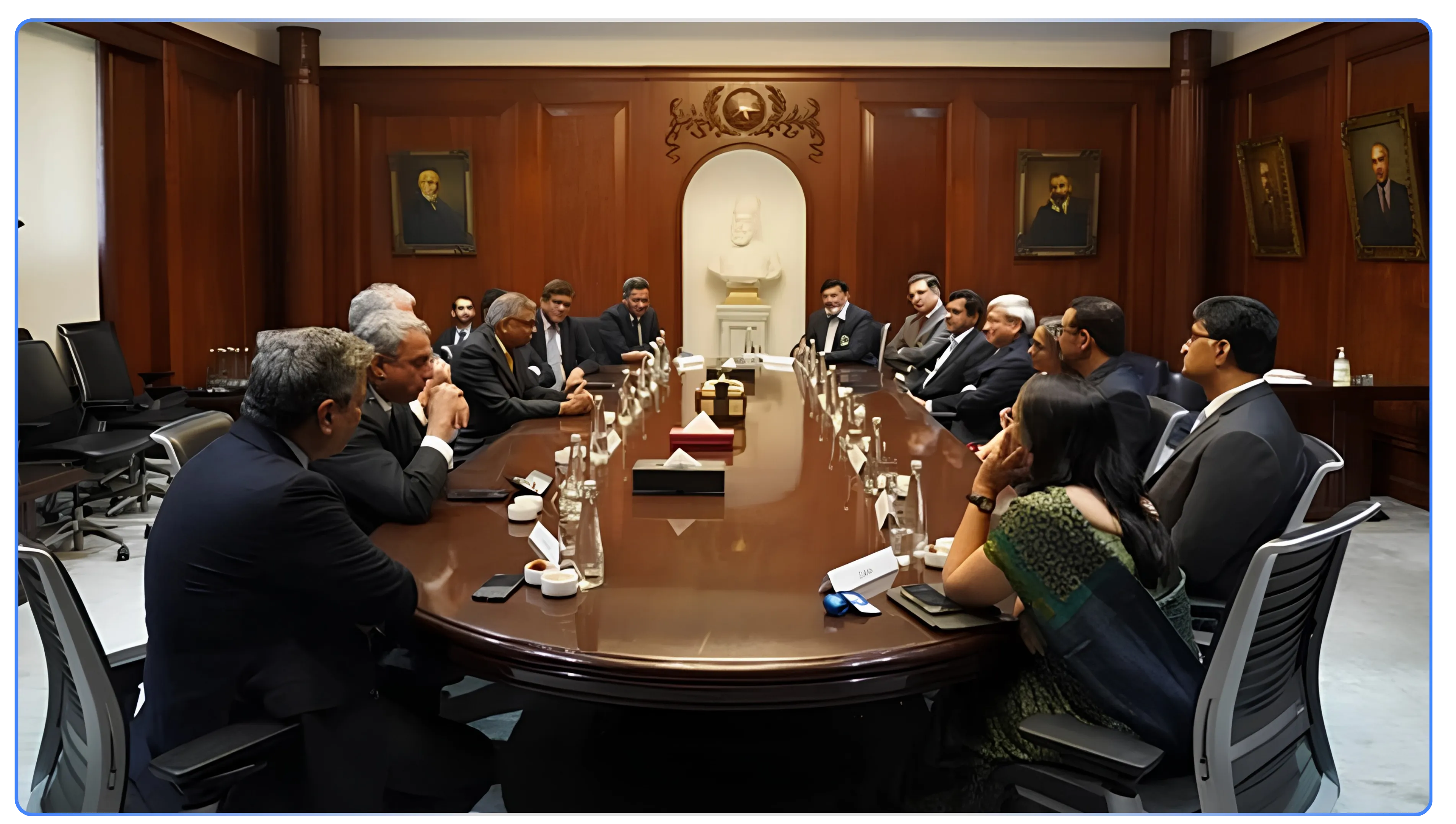
Two complications have surfaced since. First, Maharashtra's Charity Commissioner barred the Sir Ratan Tata Trust from holding its own meetings back in May 2026, pending an inquiry into whether its trustee structure breaches a state law cap on life trustees. Because Tata Sons' rules require a jointly nominated representative from both principal trusts for some decisions, this freeze has become part of both sides' arguments over whether the September 17 meeting even had a valid quorum. Second, reports show Chandrasekaran's son runs a company that leased farmland from TVS Motor, the company Srinivasan chairs, a few months before Srinivasan cast the deciding vote on Chandrasekaran's own reappointment. Tata Sons says the deal needed no disclosure since TVS Motor has no dealings with the group; Tata Trusts calls it a conflict of interest and says it will respond formally if the allegation holds up.
Tata Trusts is weighing whether to approach the NCLT or the Bombay High Court but had not filed a case as of this writing. The RBI has separately filed a caveat petition in the Bombay High Court, a procedural step to ensure it gets heard if Tata Trusts does seek relief.
Why a listing is even on the table

None of this dispute would exist without a regulatory trigger. The RBI's Scale-Based Regulation framework for non-banking financial companies, in force since October 2022, requires any NBFC placed in its Upper Layer to list within three years. Tata Sons was classified in the Upper Layer in September 2022. It is also registered separately with the RBI as a Core Investment Company, a category meant for firms that mainly hold shares in group companies, and it applied to surrender that registration, hoping to step outside the listing requirement altogether. The RBI rejected that application in a letter dated September 11, 2026. The board meeting six days later was the direct response.
The trusts, and what a listing could cost them.
Tata Trusts describes itself as 15 charitable trusts working in healthcare, education, livelihoods, and research. Its oldest, the JN Tata Endowment, dates to 1892, more than a century before India's statutory CSR mandate arrived in 2014. Trusts CEO Siddhartha Sharma said in June 2026 that the group spent about ₹1,600 crore on philanthropy in FY25-26 and plans to raise that to about ₹2,000 crore this year.

That money comes from dividends, not from selling shares. At the August 2025 AGM, Tata Sons recommended a dividend of ₹64,900 a share, up from ₹35,000 the year before, an increase that alone sent roughly ₹1,731 crore to the Trusts on their 66 percent holding. Noel Tata calls Tata Sons "the engine" behind this, saying the Trusts' corpus has grown at roughly 20 percent a year for three decades because the money stays invested rather than being spent down. Speaking at the Republic Summit on September 29, he argued that a public listing would force Tata Sons to weigh that model against the return expectations of public shareholders, changing "the group's long-term investment and social development model" rather than simply raising capital.
Whether that actually happens depends on how the listing is structured, and this is the genuinely open question. If it proceeds mainly as the SP Group selling part of its own stake, the Trusts' 66 percent barely moves. If it involves fresh share issuance, their share and their future dividend income would shrink. SEBI's current rules offer some reassurance either way. Under norms notified in March 2026, a company of Tata Sons' likely size, almost every valuation estimate so far puts it well above ₹5 lakh crore, would only need to dilute about 2.5 percent of its equity at listing, with ten years allowed to reach the standard 25 percent public shareholding mark. Legal commentators have also noted that listing and philanthropic funding are not inherently at odds elsewhere, and that a listing could bring more transparency to how Tata Sons allocates its capital.
One point is worth sitting with regardless of how this plays out. Tata Sons' own assets run to about ₹1.75 lakh crore, and its majority shareholder's corpus has compounded at roughly 20 percent a year for three decades. Yet, the actual annual philanthropic spending is ₹1,600–2,000 crore, a small fraction of the wealth behind it, because almost none of that wealth is ever converted to cash. A public listing would, for the first time, put a market value on exactly what that number represents.
What to watch
Three things will decide how this settles: whether Tata Trusts formally files at the NCLT or the Bombay High Court, whether the RBI or SEBI makes any further move on the listing timeline, and what an actual prospectus eventually says about valuation and dilution, none of which exists yet. Chandrasekaran's reappointment, if it holds, keeps him in the chairman's seat until 2032. For now, all of it the reappointment, the listing, and the fight over both, remains unresolved.
Disclaimer: The information provided in our blogs is for informational purposes only and should not be construed as financial, investment, or trading advice. Trading and investing in the securities market carries risk. Always conduct your own research and consult with a qualified financial advisor before making any investment decisions. Past performance is not indicative of future results. Copyrighted and original content for your trading and investing needs.
© 2026 — Tradejini. All Rights Reserved.