

Every trader has that one moment when emotions take over, you move a stop-loss ‘just this once,’ or take profits too early because ‘a loss would hurt more.’
For most people, it’s normal. But, for the legendary Turtle Traders, it was unacceptable.
Their success wasn’t built on predicting markets better than others. It came from doing something far rarer, sticking to their rules when emotions screamed otherwise.
1. The Power of the Rulebook
When Richard Dennis trained his ‘Turtles’, he gave them a thick rulebook. It covered everything, from how to enter a trade to when to exit and how much to risk.
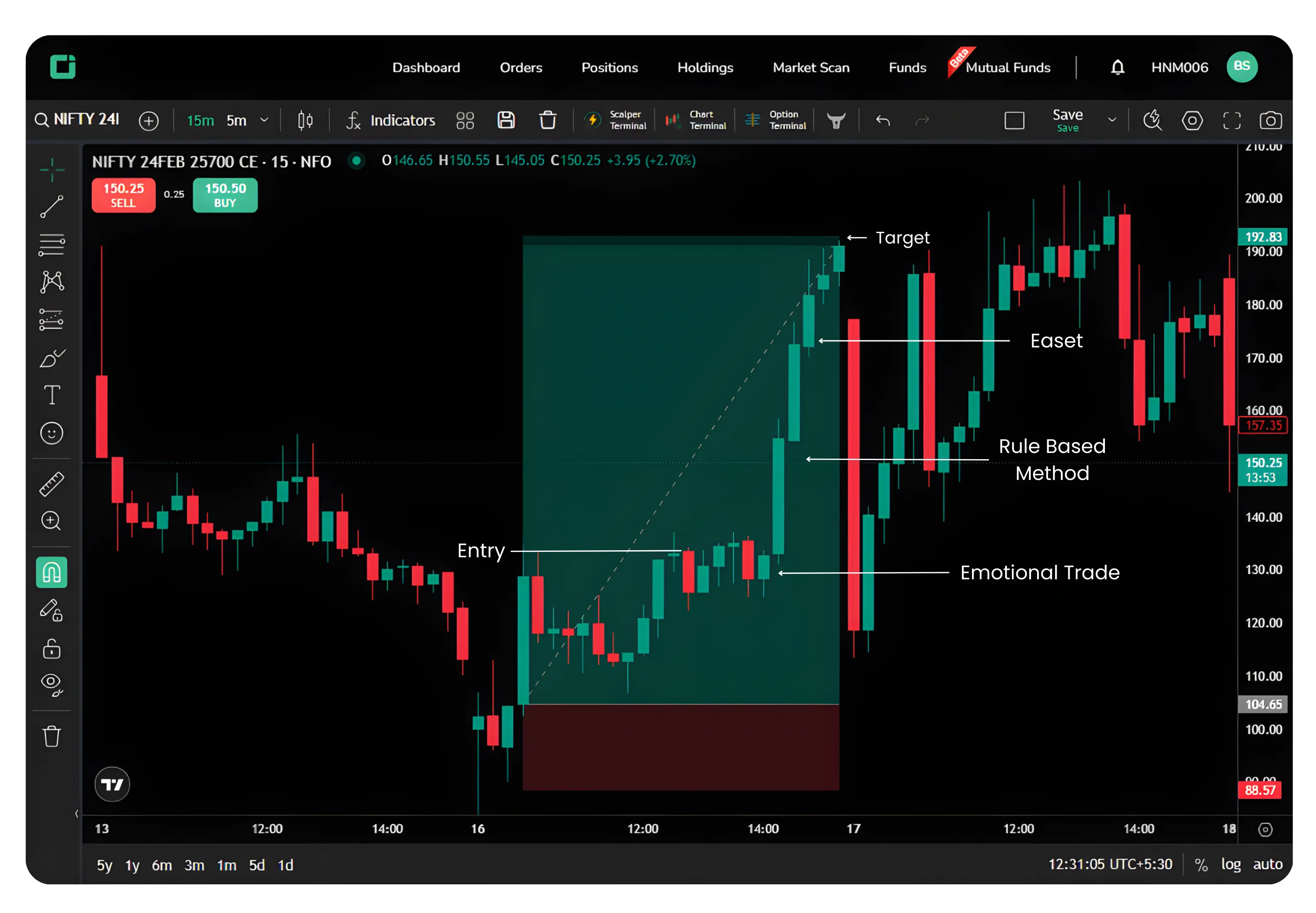
Every Turtle had to follow the same set of rules. If the price broke above the 20-day high, they bought. If it dropped below their trailing stop, they sold and no questions asked…
That structure is the core of any Turtle Trading system summary. The idea was simple: markets are uncertain, but your behaviour should not be. No opinion. No emotion. No market gossip. And this simple discipline is what most traders in today’s Indian markets still struggle with.
To know how turtles see markets differently, read our part 3: Thinking Like a Turtle | How Traders & Investors See Market Differently
2. Why Do Rules Beat Reactions?
Since 2025, markets moved faster than ever.. thanks to algo trading, AI scanners, and 24/7 global cues. Yet, one thing hasn’t changed… traders still react emotionally.
A rule-based system protects you from that. It forces you to act on logic, not mood. Here’s why it works:
Rules prevent panic. You don’t decide under pressure; your plan has already been decided for you.
Rules create consistency. Even if results vary, your process doesn’t.
Rules reduce bias. You don’t interpret news to fit your position.
This is the essence of trend following trading psychology. You follow the price. You do not argue with it.
3. Applying Turtle Discipline in Indian Markets
| Step | Your Turtle Practice | Example (Indian Market 2025) |
|---|---|---|
| 1. Define entry | Pick a clear, rule-based trigger | Nifty closes above 20-day high (e.g., 23,500) – go long next session |
| 2. Fix exit | Place initial stop-loss and define trailing exit |
Initial stop-loss at 1 ATR below entry price (e.g., around 23,200) |
| 3. Manage size | Risk only 1–2% of total capital per trade | On ₹5 lakh capital, maximum risk ₹10,000 per trade; position size adjusted based on stop distance |
| 4. Diversify | Trade across different asset classes | Index, Stock, Commodity |
| 5. Track and test | Review performance monthly | Use CubePlus backtesting tools or maintain a detailed manual trade log |
Once you have set these, follow them consistently, whether you win, lose, or break even.
4. How the Best Turtles Stayed Unemotional
One of the original Turtles, Curtis Faith, famously said:
‘Emotions are the enemy of profitable trading.’
The Turtles were taught to expect losses. If they followed the system correctly and still lost, they didn’t care, because they understood that edge plays out over a series of trades.
That’s how successful traders operate even today. They don’t try to be right every time. They try to follow their system every time.
5. How Rules Outperform Reactions
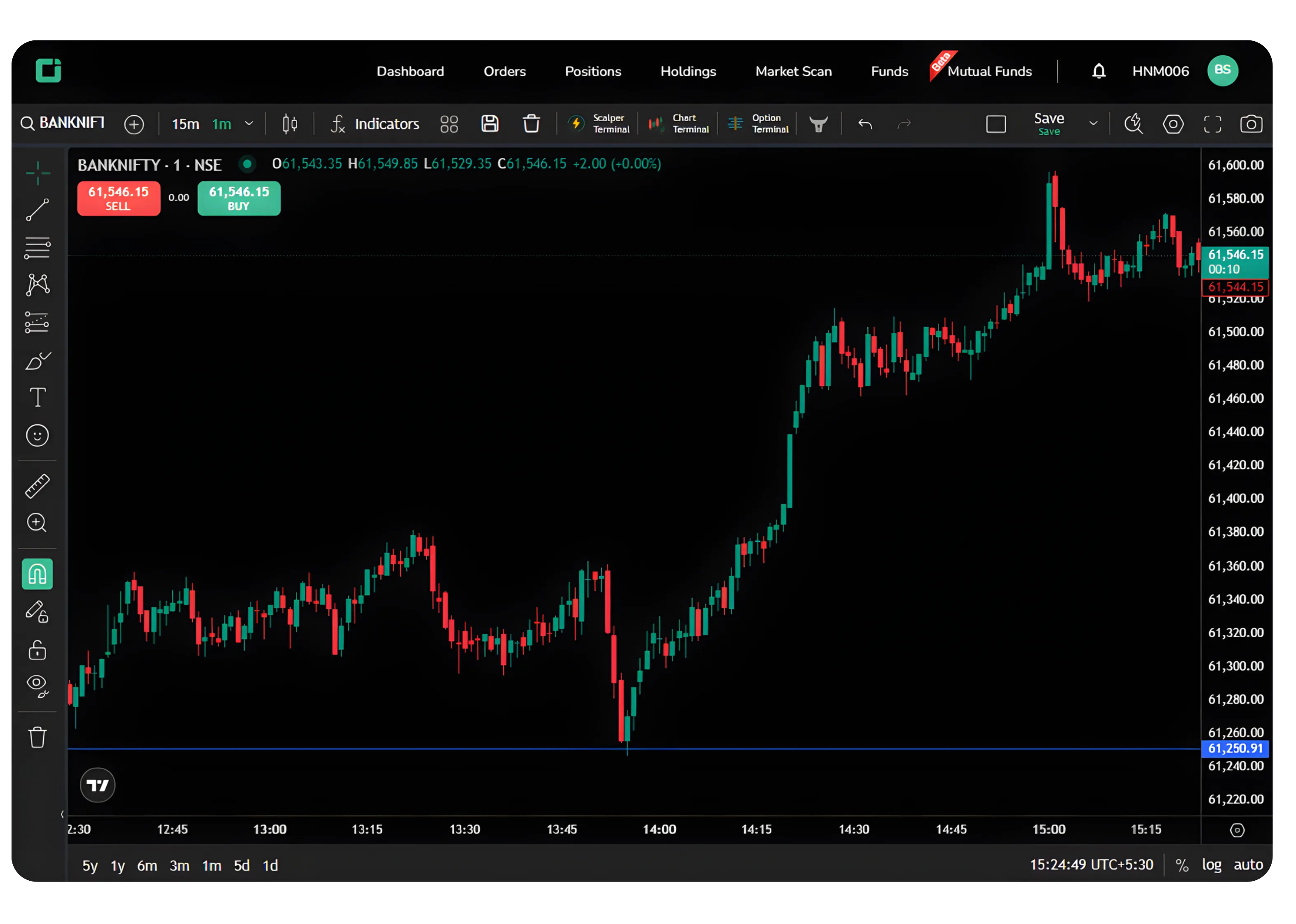
Take Bank Nifty as an example (as of 18 Feb 2026). It dipped sharply toward the 61,250 zone in the first half, creating panic and short-term bearish sentiment. Many traders expected a breakdown. However, the index held its structure, formed higher lows, and gradually reversed upward. As momentum built above 61,400, price pushed toward 61,600 within a series of volatile swings.
The sentiment flipped just as quickly as the move, traders who were bearish near the lows turned bullish near the highs, reacting emotionally to price extremes instead of following structure and trend.
Rule-based traders behaved differently.
They waited for confirmation. They entered only when their system triggered a breakout or breakdown. They placed predefined stop-losses. They stayed in the trade until their exit rule was hit, not until fear or excitement kicked in.
One group kept reacting to the price. The other followed a plan. In volatile markets, that difference shows up not just in returns, but in peace of mind.
Now, who do you think slept better at night?
6. The Real Secret! Discipline Is a Skill
These rules sound easy, but they are not. It’s a skill you develop, just like a cricketer learns to leave tempting balls outside off-stump.
Over time, your discipline compounds, just like returns. And that’s where the Turtle edge truly lies: consistency beats brilliance.
Up next: Part 5 – The Edge: Why You Don’t Need to Predict Markets.
Disclaimer: The information provided in our blogs is for informational purposes only and should not be construed as financial, investment, or trading advice. Trading and investing in the securities market carries risk. Always conduct your own research and consult with a qualified financial advisor before making any investment decisions. Past performance is not indicative of future results. Copyrighted and original content for your trading and investing needs.
© 2026 — Tradejini. All Rights Reserved.