In trading circles, the term “stop-loss hunting” (often called SL hunting in trading) elicits suspicion, frustration, and heated debate. Many retail traders feel their stops are being intentionally triggered by larger players — brokers, institutional funds, or market makers. But how real is this phenomenon? And if it is real (or partially real), what tactics are used, and how can one think about protecting oneself?
Let us explore the concept, look at motives, sketch possible scenarios and point out counterarguments and caution.
What is Stop-Loss Hunting?
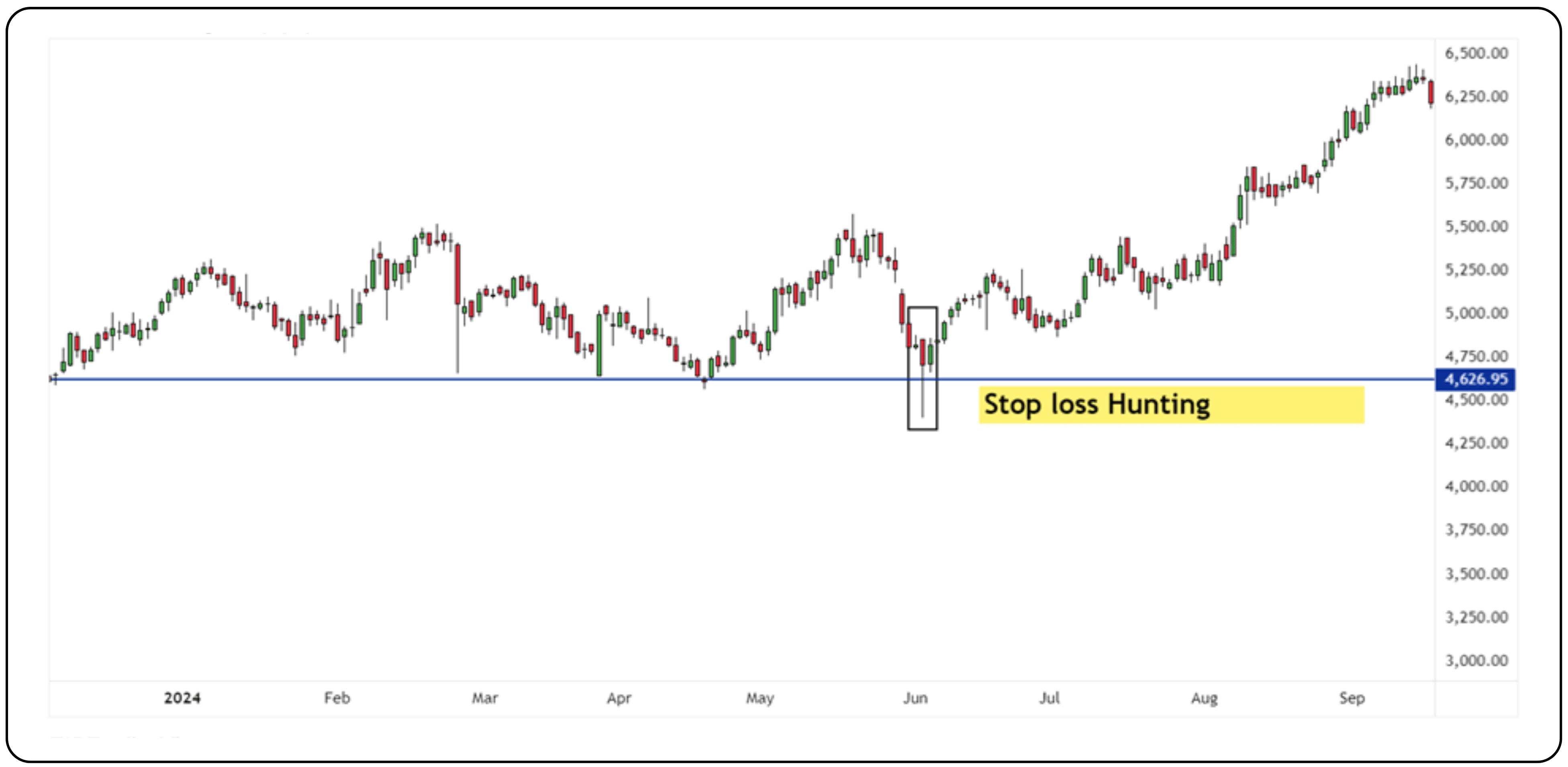
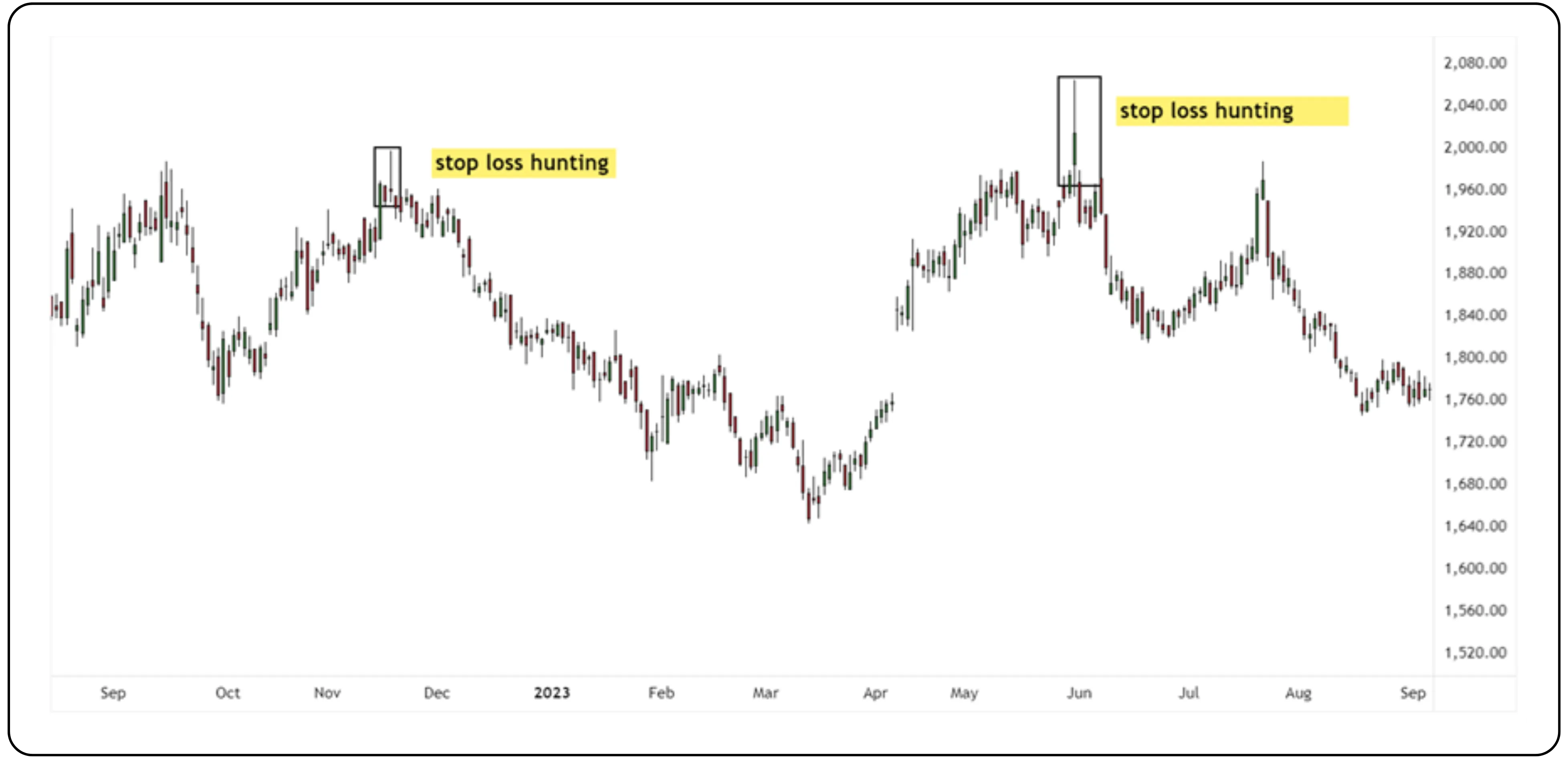
At its core, stop-loss hunting refers to the practice of driving the price of a stock to a level where many stop-loss orders are clustered, creating a surge of sell orders that often cascades as all these sell orders hit the tape, triggering them, and then reversing the price again — basically creating ripples in the stock price. The effect: a cascade of forced exits from weaker hands (retail traders), increased volatility, and opportunity for the aggressor to accumulate or push the trend further.

In textbook finance theory, stop orders are conditional: they exist off the visible order book until triggered. But in practice, price moves sometimes feel engineered, especially when you see a sharp “spike down (or up)” lasting a few minutes, hitting key support (or resistance) levels, then reversing. This is often cited as evidence of stop-loss hunting.
Why Would Institutions / Big Players Do It?
1. Generating liquidity
Big players need counterparties. In less liquid stocks, they may struggle to find willing sellers (or buyers) at the price they want. Triggering stop orders en masse generates a flood of automatic market orders — which they can use to fill trades and sometimes generate volatility in thin markets.
2. Improving entry / exit prices (averaging in)
Suppose they want to accumulate a large position. If they can push down the price just enough to shake out stops, then rebound, they may be able to buy more at a lower average cost. Similarly on the exit side, they might push price up to trigger stop losses of short-sellers, helping them unwind or reverse.
3. Psychological / structural advantage
Many retail traders place stop-loss orders at “obvious” levels — just below support, just above resistance, round numbers, previous swing highs/lows, etc. These stop clusters become natural targets. The more obvious the level, the more likely people will put stops there.
4. Short-term momentum & trapping retail
A sharp move that flushes out stops can also look like a genuine breakout or breakdown. Some traders “jump in” to that trend, creating momentum by drawing in more traders — a classic case of herd mentality at play. The big player can exploit that crowding.
5. Broker / platform manipulations (less proven / more speculative)
Some studies in online trading suggest technical irregularities or broker behavior might disadvantage retail traders — e.g., delayed responses, sudden price jumps, or platform “slippage.” But these are controversial and often depend on the trustworthiness of the broker.
It’s important to note: in regulated stock markets, brokers do not typically benefit from clients losing money in a straightforward way (and regulators monitor manipulative practices).
Possible Scenarios in the Indian Stock Market
Scenario 1: Mid-cap / small-cap “squeeze & rebound”
- Stock X is a mid-cap with moderate liquidity. Suppose Stock X is a mid-cap with moderate liquidity. It has built a support zone around ₹250, and many retail traders place a stop-loss just below at ₹245.
- The sweep below ₹245 acts as an easy target for stops near the previous day’s low a common area where retail traders place orders.
- An “operator” or institutional participant sends a sudden aggressive sell order (or series of orders) to push the price down to ₹245–₹240 zone over a few minutes, triggering many stops.
- As stops are triggered, automated orders flood, possibly pushing it further down (cascade). But once the selling pressure exhausts, the big buyer starts accumulating, pushing the price back to ₹260 (or higher). Many weaker hands have been forced out; the large player now holds more at a lower cost.
This kind of move often looks like a “false breakdown” or shakeout followed by a sharp reversal.
Scenario 2: Using options / F&O hedging to influence underlying
- In India, derivatives (Futures & Options on indices or stocks) are heavily traded. Sometimes large F&O participants may use positions/hedges to influence the underlying stock slightly, or cause index-related flows, triggering stop orders in the underlying. Large F&O participants may even use sell options strategies to profit from the downward pressure
- E.g., if a big player has a large short position in Nifty futures and expects a drop, triggering stop-losses in index-heavy stocks can amplify downward pressure.
(This is more subtle, and harder to prove, but discussed in trading forums.)
Scenario 3: High-frequency / algorithmic probing
- A high-frequency algo (or institutional algorithm) may send small probing orders to test liquidity. It might try to push prices slightly in one direction, monitoring order book reaction. If the depth is weak, it pushes further to trigger stops, then reverse.
- Because of speed and information, they may be able to “sniff out” where the liquidity (stop orders) lie. This ties into the broader issue of co-location and latency advantages in Indian stock exchanges (NSE, etc.).
- Recall the NSE co-location scandal, where some players gained faster access to exchange data or order flow due to proximity (or privileged access), giving them edge over regular traders.
- That edge can sometimes be used to respond milliseconds faster to order book changes or detect where hidden liquidity lies, which can assist in stop-hunting-like behavior.
- Their probing can also flush out unplaced mental stops of discretionary traders who react emotionally to the dip.
Scenario 4: Broker / client interface (less proven)
- Some traders claim that certain brokers or platforms might route orders in a way that slight delays or price adjustments disadvantage the retail client. When a stop triggers nobody sees individual stops, though skilled market participants can infer clusters.
- E.g. a stop-loss is triggered, but by the time it is executed, the platform shows a worse price (slippage). Whether this is deliberate or due to system inefficiencies is often debated. Many stop hits are structural — part of market volatility, not always manipulation.
- Academic modeling suggests that a broker, if having control over price paths (in theory), could design price moves that maximize losses for traders with stops.
While such models are more theoretical, they highlight that in a zero-sum trade, the “other side” might prefer that stops are clustered and triggered.
Arguments & Counterpoints: What the Skeptics Say
When discussing stop-loss hunting, one must keep in mind counterarguments and caveats.
- Stops are hidden — nobody “sees” them until triggered Because stop-loss orders are conditional, they are not visible in the public order book until they convert to market/limit orders.That means it is harder (though not impossible via inference) for someone to “target” your specific stop order.
- Many stop hits are accidental / structural volatility The market often moves in volatile spurts, especially in low-volume stocks, or during news events. That can cause stops to be hit even without malicious intent.
- Regulation & surveillance Stock exchanges and regulators like SEBI monitor for manipulative practices. Deliberate, repeated abusive stop hunts (especially in big names) are not risk-free.
- Broker incentive mismatch Most brokers in India make their money via transaction fees, margins, spreads, and are regulated. Tampering with clients’ trades can backfire in reputation or regulatory penalties. Many traders exaggerate the “broker hunt” narrative.
- Survivorship and perception bias Traders are more likely to remember times their stop was “just hit” and price then reversed, giving a sense of being hunted, but forget many times their stop was simply a correct exit. This is a kind of confirmation bias.
Thus, while stop-loss hunting is possible, not every stop-out is manipulation.
Interested in how niche players scale in traditional markets? Check out Sky Gold capturing market opportunities in jewelry
Practical Tips: How to Reduce Getting “Hunted”
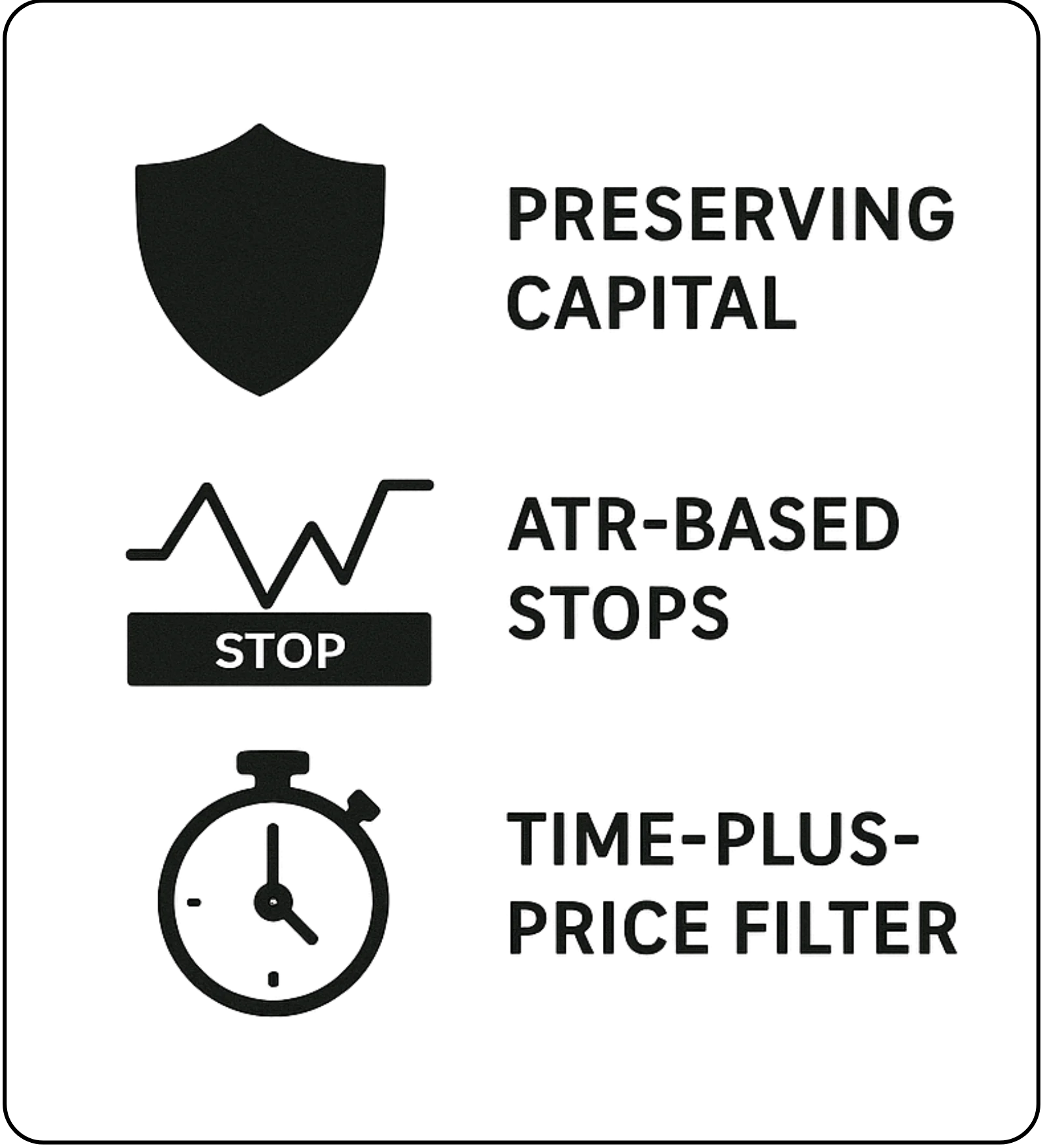
Given the risk that stop-hunts might happen, here are some strategies traders often use to reduce vulnerability.
- Avoid overly obvious stops Instead of putting your stop exactly just beneath a strong support, shift it slightly farther (a few ticks), or use a zone-based stop to avoid a sweep and focus on preserving capital rather than chasing perfection.This reduces the chance of being caught in a sweep.
- Give some “breathing room” / volatility buffer Use volatility-based stops (ATR, etc.) as part of disciplined risk management, or combine time & price filters, so minor fluctuations don’t prematurely stop you out.
- Use confirmation before entry Rather than entering right away when price just touches a level, wait for confirmation (momentum, volume, structure). That way your stop is more validated.
- Scale into positions Instead of going full size in one shot, start with a partial size, see how the market behaves, then add. If a stop-hunt occurs in the early part, you limit damage.
- Use multiple timeframes / context Check higher timeframe support / resistance to know whether a “sweep” is likely just noise or a genuine move. If the major trend is intact, small sweeps might just be fuel for continuation.
- Respect psychological support & resistance
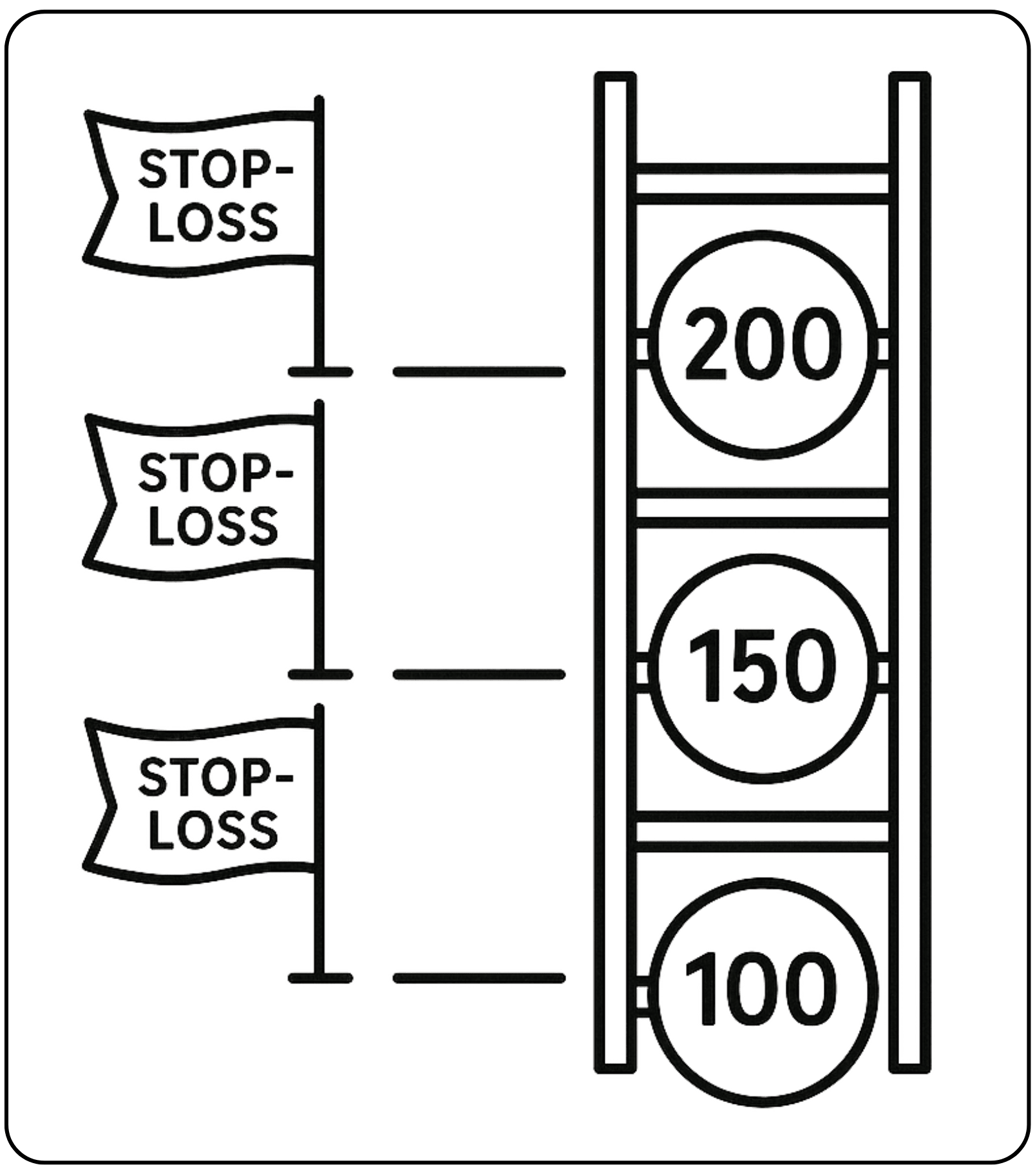
Stops near strong psychological support and resistance levels tend to be prime hunting grounds; consider placing them beyond such barriers.
- Be psychologically prepared Accept that some stop-hunts may happen. Manage risk so one or two stopouts don’t hurt you badly. Focus on the risk-reward, consistency, and reducing emotional reaction.
- Use limit + stop orders / algorithmic orders where possible Some advanced order types may reduce slippage or “improve” execution. But note, they cannot eliminate vulnerability entirely.
If you’re interested in understanding the future of India’s Jewellery sector, check out Unlocking Growth in India’s $90 Billion Jewellery Industry
Recognizing Patterns of a Stop-Loss Sweep
Some price moves carry telltale signs of a stop-loss sweep. While no single signal proves manipulation, seeing a cluster of these hints together can alert you to possible SL hunting in action.
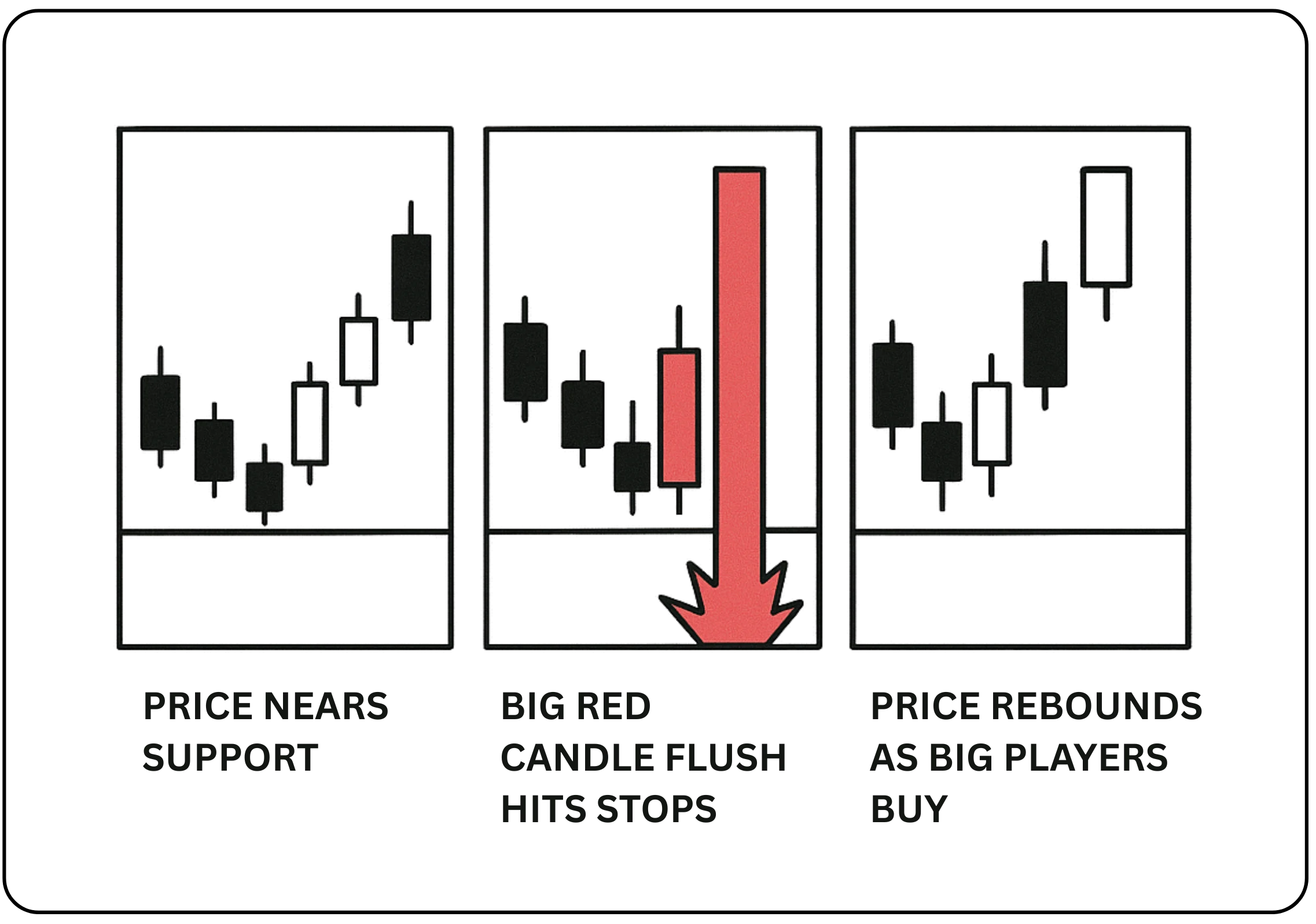
1. Sudden spike at key levels
A quick plunge toward a well-known support or resistance level, often the previous day’s high or low, can be a sign. The price often dips just enough to trigger clustered stops and then snaps back.
2. All stops filled immediately, then reversal
You’ll sometimes notice a big candle where all these sell orders get filled immediately, followed by a sharp rebound. This creates the impression that “someone” just flushed the stops and then flipped direction.
3. Big wave of fresh short positions
When the initial selling hits, new traders pile on — initiating fresh short positions. If the selling exhausts and price rebounds fast, those shorts are trapped, adding fuel to the bounce.
4. Volume surge without lasting trend
There’s often a burst of volume, a big bang of activity, but the price fails to continue in that direction. This is a clue that the move was more about generating liquidity than a genuine shift in fundamentals.
5. A move that ‘takes money’ but leaves no footprint
A sweep may feel like it takes money from weaker hands — often poor retail traders with tight stops — yet leaves little sign of sustained trend change.
These are not foolproof rules. Markets can display these patterns for legitimate reasons too, especially during news events or high market volatility. Still, spotting these behaviors can help traders avoid falling into the same trap repeatedly.
Closing Thoughts

- The concept of stop-loss hunting sits at the intersection of market microstructure, trader psychology, and asymmetric capital advantages.
- In Indian markets (with co-location, latency differences, a mix of large and small names, volatile mid/small caps), the conditions are conducive for some forms of “liquidity sweeps” or stop-triggering moves.
- But not every stop-out is deliberate manipulation; often, it is the natural friction of markets, volatility, and too-tight stops.
- The goal is not to avoid every stop-hunt (impossible), but to design your strategy so that when it happens, it doesn’t hurt you significantly—and sometimes you can even benefit by recognizing the trap.
- For short-term and intraday trading, understanding these dynamics can help you design setups that avoid stop-loss hunting traps.
- Understanding how stock operators or large market participants may exploit herd mentality around support and resistance levels can help traders spot setups early.
Take what you learn about market moves and stop-loss dynamics and put it into action with smarter tools and strategies from CubePlus.
Disclaimer: The information provided in our blogs is for informational purposes only and should not be construed as financial, investment, or trading advice. Trading and investing in the securities market carries risk. Always conduct your own research and consult with a qualified financial advisor before making any investment decisions. Past performance is not indicative of future results. Copyrighted and original content for your trading and investing needs.
© 2025 — Tradejini. All Rights Reserved.
.webp%3Falt%3Dmedia%26token%3D0ead9799-20bc-4d1e-ae8f-d75ab18921b5&w=3840&q=75)